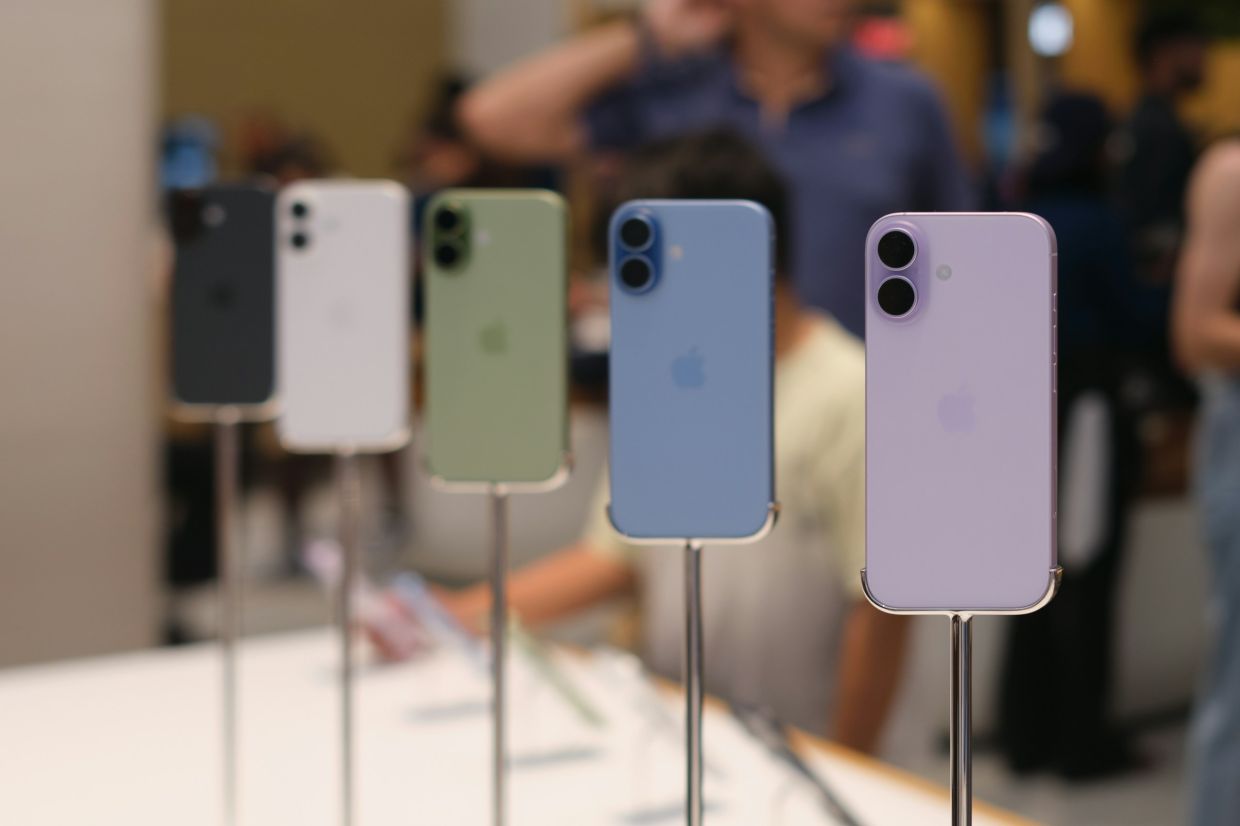
Apple's legal offensive against OpenAI over allegations of systematic intellectual property theft carries implications that extend far beyond the courtroom. The lawsuit, filed in July, stands to reshape competition in artificial intelligence and consumer hardware even if the case takes years to resolve, creating immediate operational headwinds for the San Francisco-based AI company's fledgling device business.
At the heart of Apple's complaint lies a sprawling talent recruitment effort. OpenAI has systematically enlisted more than 400 former Apple employees, many drawn from teams developing the iPhone, Apple Watch and AirPods. According to Apple's legal filings, the AI company allegedly instructed these recruits to bring confidential information about unreleased products and taught them techniques to circumvent Apple's security protocols. The company even claims OpenAI relied on a checklist created by Apple's former iPhone design chief to guide this effort. While OpenAI has rejected these allegations, stating it has no interest in competitors' trade secrets, the damage to its recruitment pipeline may prove immediate and substantial.
The threat transcends financial damages and injunctions that courts might eventually impose. Before any judge rules, the lawsuit itself has become a potent tool limiting OpenAI's ability to attract talent. Apple employees considering opportunities at the AI startup now face heightened scrutiny from their employer's security apparatus. Those who interview with OpenAI may trigger internal investigations, creating a chilling effect that discourages career moves. Apple has already begun deploying senior executives to convince key engineers to remain, backed by unusually generous retention packages. The legal uncertainty alone may reverse the flow of technical talent that has favoured OpenAI for the past year.
OpenAI's hardware ambitions depend on translating Apple expertise into new devices. The company has explored smart speakers, wearables and ultimately aims to build an iPhone rival, though less ambitious products are expected first. By combining hundreds of veteran Apple engineers with legendary designer Jony Ive and cutting-edge AI capabilities, OpenAI appeared positioned to become Apple's most serious hardware challenger in years. Yet the lawsuit threatens to unravel this advantage precisely where it matters most: the human talent driving innovation.
The operational burden of litigation will now consume senior leadership attention. OpenAI executives must dedicate resources to legal defence, manage discovery processes and prepare for depositions. Engineering teams face heightened compliance scrutiny and reluctance to discuss previous work at Apple. Managers may avoid technical discussions touching on Apple's proprietary methods, creating a more cautious organisational culture. New legal reviews and internal controls will redirect engineering effort away from development. These friction costs accumulate invisibly but powerfully, slowing product cycles before any court order takes effect.
Apple's strategy carries particular weight in manufacturing-dependent Southeast Asia. The region's electronics supply chain, while vast, remains concentrated among a limited community of contract manufacturers and component suppliers. Apple's dominance gives it enormous leverage with these partners. Suppliers may hesitate to deepen relationships with OpenAI if doing so risks damaging far more lucrative Apple partnerships or entangling them in American litigation. This supply-chain dimension could prove especially constraining for OpenAI's near-term device plans.
OpenAI had previously signalled its first product would launch this year with release in 2027. While development reportedly remains on an advanced footing, the lawsuit injects new uncertainty into those timelines. The company now faces the prospect that if courts find trade secret incorporation in its designs, it may be forced into significant product redesigns—a scenario that mirrors Apple's own experience settling with chip startup Rivos, which had to substantially rework its processor technology. The precedent suggests courts may grant preliminary relief isolating disputed materials and requiring compliance certification, creating additional delays.
For Malaysia and the broader Southeast Asian region, these developments carry strategic implications. The region has become central to global consumer electronics manufacturing, hosting operations by Apple suppliers and increasingly attracting AI hardware ventures. A protracted Apple-OpenAI conflict could deter regional manufacturers from supporting OpenAI's ambitions, consolidating hardware innovation within Apple's existing supply network. Conversely, if OpenAI survives the litigation challenge, it might accelerate alternative hardware ecosystems that diversify manufacturing beyond Apple's orbit. The region's tech ecosystem sits at the intersection of these competing forces.
Apple explicitly frames its lawsuit as essential to addressing what it calls a pervasive theft of trade secrets. The company has characterised OpenAI's hardware efforts as nascent, suggesting they remain vulnerable to court intervention. Yet OpenAI retains formidable resources: world-class engineering talent even after accounting for Apple defections, substantial financial backing, and senior figures like Ive with deep supplier relationships and industry credibility. Sam Altman's public declaration that he is "not afraid of Apple" conveys determination to overcome the legal obstacle, though perception damage may prove harder to reverse than financial penalties.
The lawsuit also reflects deeper anxieties within Apple about technological disruption. During testimony in Google's antitrust trial, Apple services executive Eddy Cue acknowledged that artificial intelligence could fundamentally reshape device markets. "You may not need an iPhone 10 years from now," he stated, articulating the existential stakes driving the company's aggressive legal posture. Apple's own hardware reorganisation and acknowledged struggles in AI underscore the competitive vulnerability that motivates this litigation.
Whether OpenAI ultimately prevails or settles, the lawsuit has already inflicted measurable costs. The process of discovery, depositions and legal manoeuvring consumes months—time that technology companies cannot recover. More subtly, the allegations have created a perception that OpenAI's device business, however promising, rests on contested legal and ethical foundations. This reputational wound affects recruitment, supplier relationships and investor confidence independently of courtroom outcomes.
The case represents a pivotal moment in AI hardware competition. Apple seeks not merely damages but the psychological and operational disruption of OpenAI's most ambitious initiative. Before the case reaches final adjudication, the lawsuit may accomplish something equally valuable: slowing the company best positioned to challenge the smartphone's fundamental role in consumer technology. For Asia's electronics ecosystem and global hardware innovation, the outcome will shape whether the post-iPhone era emerges under Apple's stewardship or through competition that the current legal framework may constrain.

