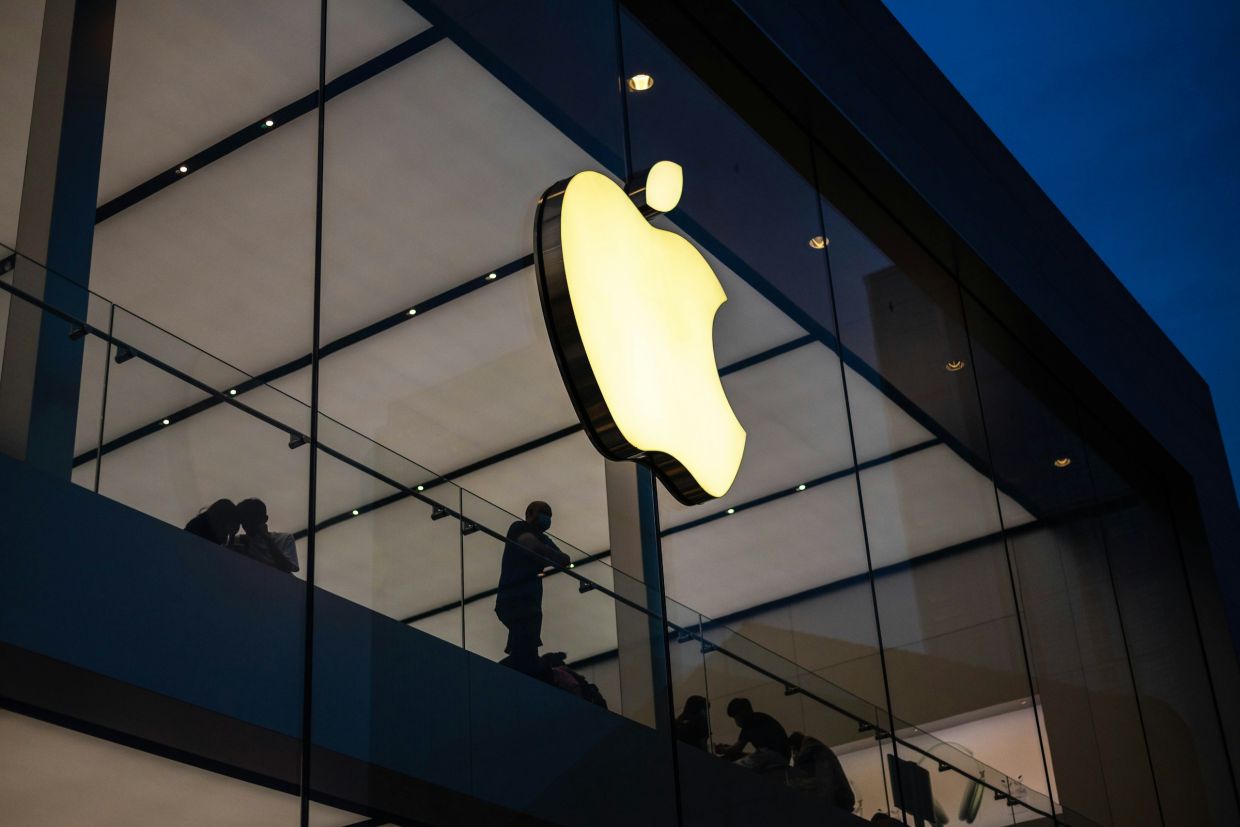
Apple has capitulated to European Union pressure by committing to substantial reforms of its App Store operations across the bloc, marking a significant victory for Brussels' aggressive enforcement of digital market regulations. The technology giant faced a €500 million fine in April 2025 after EU authorities determined it had illegally obstructed developers from guiding customers toward cheaper purchasing options outside its proprietary platform. The company's acceptance of revised business terms signals the beginning of a contentious but ultimately decisive regulatory showdown that reflects the widening gap between American tech dominance and European regulatory ambition.
Under the agreement taking effect in October 2026, Apple will fundamentally restructure how applications reach European consumers and how developers monetise their work. Rather than channelling all distribution through its walled App Store ecosystem, the company must now permit developers to select from a range of distribution avenues, including third-party app stores and direct web-based sales. This requirement directly targets the commercial model that has generated extraordinary profits for Apple by controlling the entire pathway between creators and users, allowing it to extract commissions while preventing price competition. The shift represents the most substantial breach in Apple's vertically integrated architecture since the App Store's creation in 2008.
The EU Commission framed its cautious welcome in measured diplomatic language, emphasising that it would monitor Apple's implementation rather than immediately declaring victory. An EU spokesperson notably stated the Commission is "not considering periodic penalty payments" at present, though this represents a temporary reprieve rather than permanent relief from the threat of escalating fines that could exceed €50 million daily should Apple prove recalcitrant. This carefully calibrated message signals that while Brussels appreciates Apple's apparent compliance, it retains the regulatory weaponry to impose devastating financial consequences if the company backslides or interprets its obligations narrowly.
Apple's own messaging attempted to frame the concessions as a collaborative resolution rather than capitulation under duress. The company characterised the changes as resolving disputes with regulators and normalising business relationships, notably avoiding language suggesting the modifications were imposed through coercive enforcement. Nevertheless, the contrast with Apple's previous combative posture—including unsuccessful legal challenges claiming the Digital Markets Act should not apply to its iOS ecosystem—underscores the company's weakened negotiating position following its court defeats and mounting financial penalties.
The newly agreed terms contain several specific provisions designed to undermine Apple's App Store monopoly. Developers gain explicit permission to direct App Store users toward cheaper deals elsewhere, directly contravening the historical enforcement mechanism through which Apple maintained its ecosystem's commercial supremacy. The company also undertook to reduce and simplify its notoriously opaque fee structure, which has generated persistent developer grievances about transparency and fairness. Additionally, EU consumers utilising alternative app distribution channels while travelling outside Europe will retain access to non-App Store applications, eliminating the geographic constraint that previously confined Apple's ecosystem reforms to EU territory alone.
Apple's journey to this agreement reveals the prolonged friction between regulatory determination and corporate resistance. Following the initial April 2025 fine, Apple submitted preliminary compliance proposals in June that the Commission deemed insufficient. Subsequent months witnessed extensive back-and-forth negotiations over implementation details, with the company evidently attempting to craft solutions offering minimal disruption to its preferred business model while technically satisfying regulatory requirements. The EU's insistence on genuinely meaningful change, rather than cosmetic amendments, ultimately forced Apple toward more substantial concessions than it clearly preferred.
This regulatory outcome must be understood within the broader context of Europe's determination to establish itself as a counterweight to American technological dominance. The Digital Markets Act and its companion, the Digital Services Act, represent two pillars of a comprehensive regulatory framework designed to constrain the market power of big tech firms irrespective of their American origins or political support. By aggressively pursuing Apple on developer protections and consumer choice, Brussels simultaneously addresses competition concerns and asserts European sovereignty over its digital economy against persistent American corporate hegemony.
The geopolitical dimensions of this regulatory enforcement have become impossible to ignore. Former US President Donald Trump has denounced the EU's digital laws and taxes as "non-tariff barriers" designed to disadvantage American companies, framing European regulation as protectionist rather than pro-competitive. This characterisation has resonated with major technology executives who view the DMA and related measures as ideological overreach limiting their operational flexibility. The alignment between the Trump administration and tech industry leadership on opposing European digital regulation creates potential for future transatlantic friction should Washington seek to retaliate against Brussels' regulatory stance.
Apple's failed legal challenge seeking to exempt iOS and the App Store from Digital Markets Act coverage—thrown out by the EU's top court just last month—demonstrates that the company exhausted its available judicial remedies before capitulating to enforcement pressure. The court's rejection of Apple's technical arguments about the scope of DMA application effectively eliminated the company's final escape route, leaving negotiated compliance as the only remaining viable strategy. This sequence reveals how European courts, unlike their American counterparts, have proven willing to defer to regulatory expertise and policy judgments regarding digital market structure.
For Malaysian technology developers and consumers, Apple's forced capitulation carries important implications. The App Store operates as a global platform with similar restrictions applied across jurisdictions, suggesting that European reforms will gradually influence Apple's practices elsewhere. Malaysian developers accustomed to paying the App Store's standard commissions and accepting its distribution restrictions may eventually benefit from competitive pressures generated by European alternative channels, potentially lowering costs or expanding distribution options. Consumers in Southeast Asia benefit indirectly when international regulatory pressure constrains the most profitable abuses of platform power, even though enforcement occurs in distant jurisdictions.
The implementation timeline extending to October 2026 provides Apple with an extended runway to engineer compliance mechanisms that preserve as much of its commercial position as possible while technically satisfying EU requirements. Whether the company will implement these changes in a manner that genuinely restores developer autonomy and consumer choice, or instead erect new technical and commercial obstacles to alternative distribution channels, remains an open question that will only be resolved through continued regulatory monitoring. Brussels has demonstrated sufficient determination to oversee compliance and enforce additional penalties should Apple prove evasive, suggesting that genuine reform is more likely than elaborate circumvention schemes.
Apple's concessions represent a watershed moment for digital regulation globally. The European Union has successfully weaponised its market access leverage to compel behavioural change from the world's largest technology company, establishing a precedent that other regulators may attempt to follow. Whether other jurisdictions, including Southeast Asian nations, will develop equivalent regulatory capacity and political will to challenge tech giants' monopolistic practices remains uncertain. Nevertheless, the European example demonstrates that American technological dominance, while profound, is not absolute and can be constrained by determined regulatory action backed by meaningful enforcement mechanisms and judicial support.

