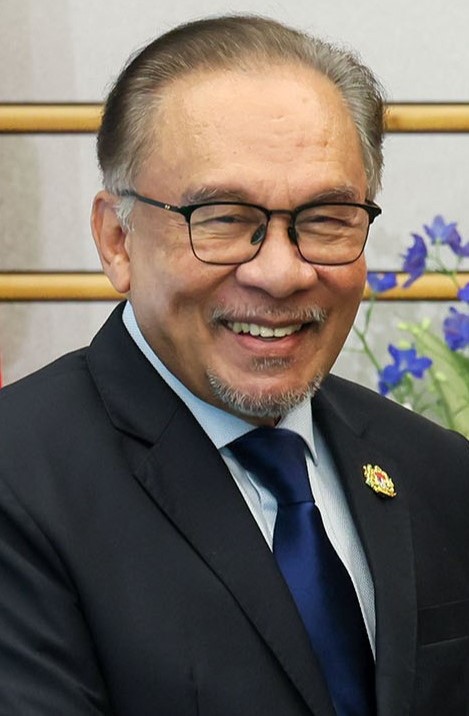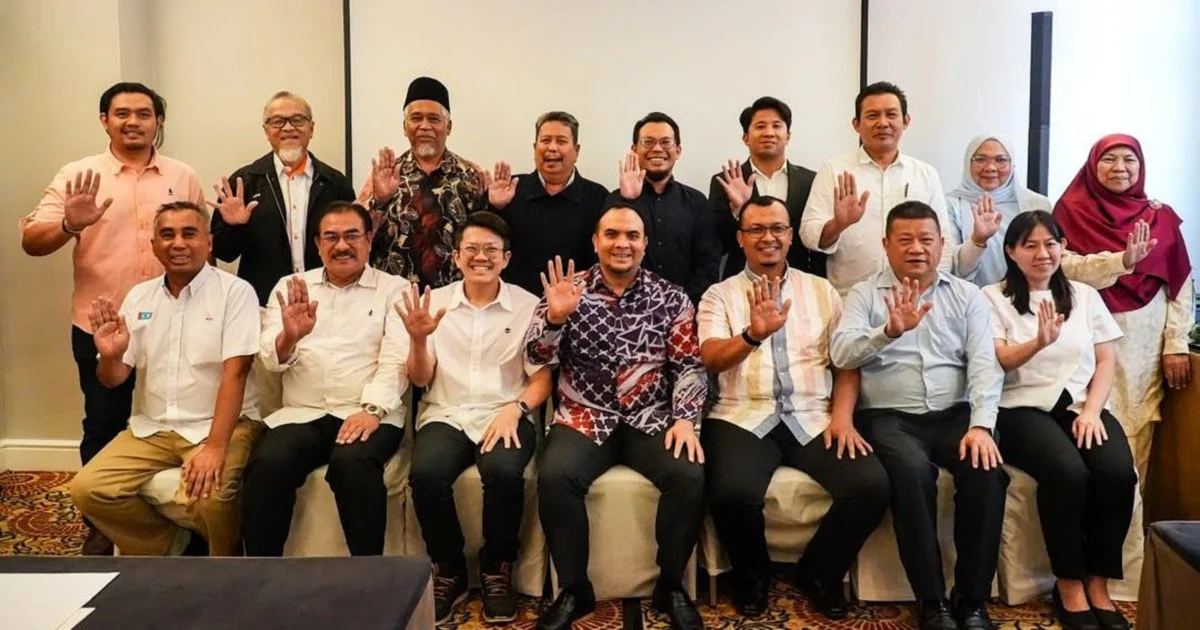
Datuk Ahmad Farhan Fauzi, who holds the position of political secretary to Prime Minister Datuk Seri Anwar Ibrahim, has been appointed chairman of the Pahang chapter of Pakatan Harapan, marking a significant development in the ruling coalition's organisational structure within the East Coast state.
The appointment underscores the Prime Minister's strategy of deploying trusted figures from his office into key state-level positions, strengthening the coalition's administrative apparatus across Malaysia. Ahmad Farhan's elevation to the Pahang PH helm represents a deliberate consolidation of power within the coalition's ranks, ensuring alignment between federal initiatives and state-level operations. His proximity to the Prime Minister's office suggests that federal policy directions will be more effectively communicated and implemented at the state level through established leadership channels.
Pahang holds particular strategic importance for Pakatan Harapan's electoral calculations. As one of Malaysia's largest states by both geography and population, the state's political leanings have fluctuated significantly in recent electoral cycles. The appointment of someone closely aligned with the Prime Minister's office indicates that strengthening PH's organisational foundation in Pahang is now a priority for the federal leadership. This reflects broader concerns about maintaining coalition cohesion in states where its position may not be entirely secure.
Ahmad Farhan's background in serving as the Prime Minister's political secretary brings administrative experience and direct access to decision-making processes within the executive branch. His transition to a state-level role demonstrates how Malaysia's political system often moves key operatives between federal and regional positions to maintain influence and coordinate party strategy. Such cross-pollination between federal and state structures is common practice within Malaysia's coalition-based political system, where strength at one level requires corresponding strength at others.
The timing of this appointment comes as Pakatan Harapan continues navigating complex coalition politics at both federal and state levels. Pahang represents a test case for how effectively the ruling coalition can maintain organisational unity and electoral competitiveness across diverse constituencies. By installing a figure known to be within the Prime Minister's trusted circle, PH signals its commitment to active management of state affairs and counters perceptions of weak state-level governance that occasionally emerge during coalition administrations.
For Malaysian observers and political analysts, Ahmad Farhan's appointment illustrates broader patterns in how federal power structures interface with state party organisations. The appointment process itself—with senior figures from the Prime Minister's office moving into formal party positions—reflects the contemporary reality that Malaysia's political system blurs distinctions between government administration and party management. Federal resources, personnel, and strategic direction increasingly flow through formal party appointment mechanisms, making such chairmanship roles considerably more consequential than they might appear on paper.
The move also carries implications for internal coalition dynamics within Pahang. Different component parties within Pakatan Harapan—including PKR, DAP, and Amanah—must work under the leadership of someone directly accountable to the Prime Minister. This arrangement can enhance coordination but might also create tensions if state-level interests conflict with federal priorities, a challenge that coalition governments frequently encounter in federal systems like Malaysia's.
For Pahang's political landscape more broadly, Ahmad Farhan's appointment signals that Anwar Ibrahim's administration views the state as sufficiently important to warrant close federal supervision through party channels. This reflects recognition that East Coast states like Pahang represent demographic and geographic territories that will significantly influence Malaysia's political trajectory over the coming years. Competition for East Coast dominance between Pakatan Harapan and its opponents remains intense, making leadership appointments in these regions consequential for national political outcomes.
The appointment also connects to broader questions about succession planning and the development of second-tier leadership within Malaysia's ruling coalition. Ahmad Farhan's visibility through this role may position him for more senior assignments as he demonstrates competence in managing Pahang's complex political environment. His performance as PH chairman could influence his career trajectory within both government and party structures.
Looking forward, Ahmad Farhan will face the considerable challenge of maintaining PH cohesion while delivering tangible benefits to Pahang's constituencies. State chairmen bear responsibility for translating federal initiatives into local relevance, maintaining party morale, managing candidate selection processes, and preparing for electoral contests. His appointment therefore represents not merely an administrative reshuffle but a declaration of intent regarding how Pakatan Harapan plans to compete for and maintain political dominance in one of Malaysia's strategically important regions during the coming electoral cycle.