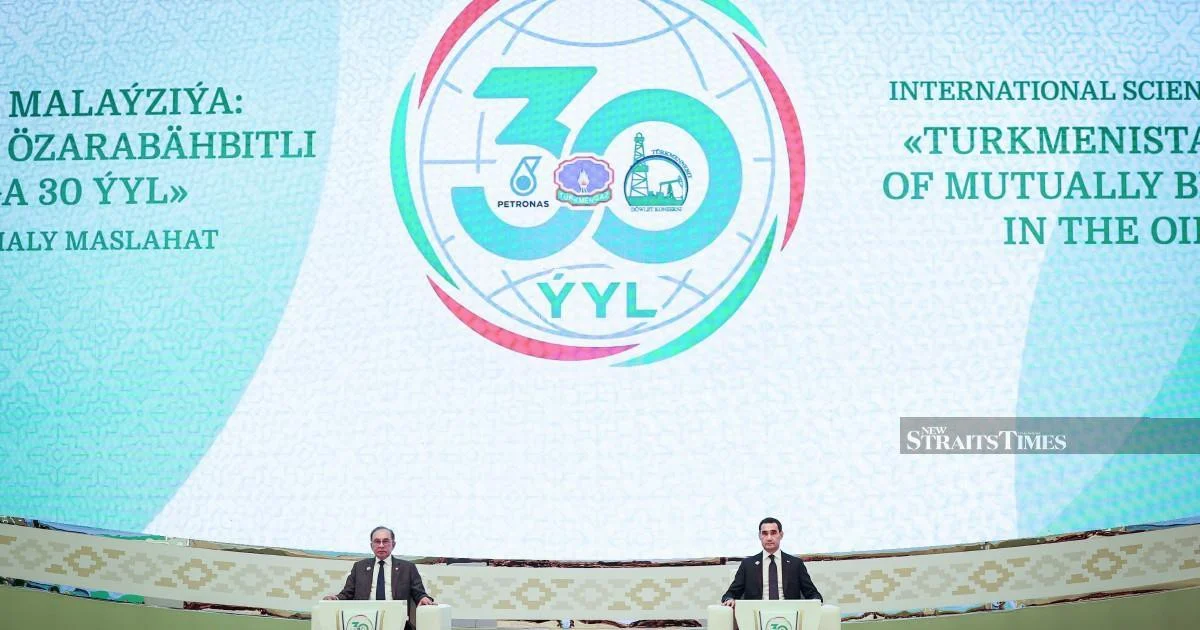
Prime Minister Datuk Seri Anwar Ibrahim's recent visits to Russia and Turkmenistan represent a carefully calibrated expansion of Malaysia's energy diplomacy, marking a tangible shift in how the nation is pursuing partnerships to secure hydrocarbon resources. The outcomes achieved during these missions underscore a pragmatic approach to international relations that prioritises Malaysia's long-term economic and energy security interests, even as geopolitical tensions persist across the globe. These engagements, conducted at the highest political level, deserve recognition as substantive diplomatic achievements that could reshape Malaysia's energy portfolio over the coming decade.
The strategic significance of these visits extends beyond conventional bilateral trade negotiations. By engaging directly with both Russian and Turkmen leadership, Anwar positioned Malaysia within a broader recalibration of energy relationships occurring across Asia. Many developing nations, particularly those in Southeast Asia, face mounting pressure to diversify their energy sources as global markets become increasingly fragmented and unpredictable. Malaysia's moves toward Russia and Central Asia reflect this reality, seeking to reduce dependence on any single supplier or geopolitical bloc. This approach mirrors similar calculations being made by neighbouring countries that recognise energy independence as crucial to long-term economic stability.
Russia, despite ongoing international sanctions and diplomatic isolation stemming from its military actions in Ukraine, remains one of the world's largest hydrocarbon producers with significant spare capacity and technological expertise. From Malaysia's perspective, establishing or deepening energy partnerships with Moscow offers practical benefits: access to competitively-priced oil and gas supplies, potential collaboration on extraction technologies, and opportunities for Malaysian companies to participate in energy projects. The diplomatic engagement also demonstrates Malaysia's commitment to pragmatism in foreign policy—engaging with major global actors regardless of their standing in Western capitals. This posture appeals to both domestic constituencies and neighbouring nations pursuing similar balanced approaches to international relations.
Turkmenistan's role in these negotiations carries particular significance for Southeast Asia. The Central Asian nation possesses vast proven natural gas reserves and has increasingly sought to develop partnerships with Asian buyers rather than relying exclusively on traditional European markets or Russian transit routes. By engaging Turkmenistan directly, Malaysia positions itself within a wider Asian network seeking alternatives to Middle Eastern hydrocarbon dominance. This geographical diversification addresses a long-standing vulnerability in Asia's energy supply chains—the concentration of supplies in a few regions and the risks associated with chokepoints like the Strait of Hormuz.
The timing of these visits merits consideration within the broader context of Malaysia's economic challenges. As the nation works toward sustainable recovery and growth, energy-intensive industries require stable, affordable supplies of oil and gas. Manufacturing sectors, petrochemicals production, and power generation all depend on reliable hydrocarbon inputs. By securing partnerships with suppliers offering competitive pricing and long-term reliability, Anwar's government strengthens the foundation for industrial competitiveness. Companies operating in Malaysia benefit directly from diversified supply channels, reducing vulnerability to supply shocks that could disrupt production and exports.
From a Southeast Asian perspective, Malaysia's energy diplomacy carries spillover implications. The region collectively faces similar challenges in securing affordable hydrocarbon supplies while managing geopolitical tensions. Malaysia's successful navigation of these relationships could provide a template for how other ASEAN nations engage with non-traditional partners. Vietnam, Thailand, and Indonesia, all significant energy consumers, observe carefully how Malaysia manages relationships with major global powers. Success in these partnerships potentially opens pathways for regional coordination on energy security matters, strengthening ASEAN's collective negotiating position in global energy markets.
The geopolitical dimension deserves equal weight alongside commercial considerations. By maintaining engagement with Russia despite international tensions, Malaysia signals independence in foreign policy decision-making. This autonomy—choosing partners based on national interest rather than external pressure—resonates throughout the developing world. Countries across Asia and Africa increasingly expect major partners to respect their sovereign right to conduct business across geopolitical divides. Anwar's visits demonstrate Malaysia's commitment to this principle, enhancing the nation's standing among nations pursuing non-aligned or multi-aligned foreign policies.
Energy partnerships typically involve long-term commitments spanning decades, meaning agreements reached during these visits could influence Malaysian economic performance well into the 2040s and 2050s. If successful, these arrangements address structural vulnerabilities in how Malaysia accesses critical energy resources. The nation's existing supply relationships have served it well, but strategic planning demands hedging against future disruptions or price volatility. Securing alternative suppliers and diversifying import origins represents essential risk management for a trading nation whose economic wellbeing depends on reliable, affordable energy inputs.
Looking forward, the success of these missions will be measured not merely in headlines or ceremonial agreements, but in concrete outcomes: execution of binding energy contracts, commencement of supply flows, and integration of these partnerships into Malaysia's broader energy strategy. The coming months and years will reveal whether these diplomatic breakthroughs translate into sustained commercial relationships. Nevertheless, Anwar's willingness to pursue these opportunities across geopolitical boundaries, coupled with Malaysia's demonstrated capacity to engage major global powers on equal footing, represents diplomatic and strategic value that extends well beyond immediate transaction value.