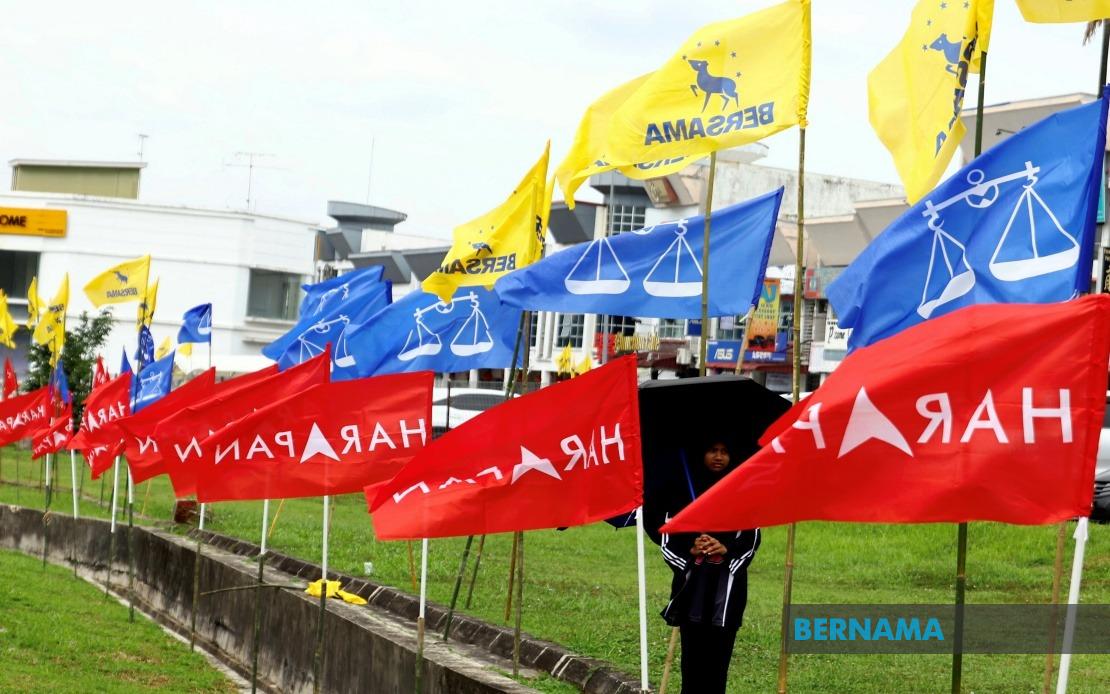
Prime Minister Datuk Seri Anwar Ibrahim has mounted a final appeal to voters in Johor, urging them to grant Pakatan Harapan (PH) the mandate to lead the state government in the upcoming 16th Johor state election scheduled for Saturday. Speaking through social media posts as the campaign enters its final stretch, Anwar positioned the coalition as committed stewards of the southern state's development agenda, framing the election as a critical choice for Johor's future trajectory.
Anwar's call represents a significant push by the PH leadership to secure control of a state that holds considerable weight in national politics due to its strategic location, economic importance, and substantial voter base. The Johor election carries implications beyond the state itself, as results could influence the political momentum ahead of potential national elections and shape the broader peninsular political landscape. By personally appealing to voters, the Prime Minister underscored how seriously the federal government views the contest.
In his Facebook address, Anwar stressed that PH stood ready to deliver tangible benefits to Johor's residents if entrusted with governance. He pledged that the coalition would labour diligently to protect the state's interests and ensure that development gains would reach all segments of society. This messaging attempted to shift focus from broader political debates toward concrete outcomes and inclusive growth, resonating with voters' immediate concerns about employment, services, and infrastructure.
Particularly noteworthy was Anwar's emphasis on non-partisan patriotic duty, calling on Johor-born citizens working elsewhere in Malaysia to return home specifically to exercise their voting rights. This outreach acknowledges the significant internal migration of Johor residents who maintain emotional ties to their home state. By framing homecoming as a civic responsibility tied to the state's destiny, Anwar sought to mobilise a potentially decisive segment of voters who might otherwise remain absent from the polls.
The Prime Minister supplemented his conventional campaign messaging with a traditional Malay pantun, a poetic form deeply rooted in Malaysian culture and communication style. The verse evoked Johor's culinary heritage, family legacy, and aspirations for prosperity, employing culturally resonant imagery to deepen emotional connection with voters. This linguistic strategy underscored how political campaigns in Malaysia often blend modern mass media with traditional cultural touchstones to create multifaceted appeals.
The 16th Johor state election represents a competitive battle, with 172 candidates contesting across 56 state legislative seats. This candidate density indicates intense competition and suggests that PH faces meaningful challenges in securing victory. The distribution of candidates across constituencies reveals how various parties have strategically positioned themselves to contest diverse electoral terrain, from urban centres to rural constituencies with distinct demographic and socioeconomic profiles.
The timing of Anwar's appeal, just days before voting, reflects standard campaign strategy where party leaders intensify their engagement as election day approaches. This final push aims to crystallise voter preference, reinforce core messaging, and maximise turnout among supporter demographics. The multi-platform approach, combining formal statements with social media outreach and cultural references, demonstrates how contemporary Malaysian political campaigns operate across diverse communication channels simultaneously.
For Southeast Asian observers, the Johor election illustrates how major Asian democracies conduct competitive state-level contests within federal systems. Malaysia's decentralised political structure allows states to elect their own governments independently, creating multiple electoral arenas where national parties compete for control. This arrangement differs from more centralised systems and creates opportunities for opposition parties to demonstrate capacity for governance at the subnational level.
The broader context includes Johor's longstanding political significance as a Malay-Muslim majority state with substantial economic activity and geographic proximity to Singapore. State governments in Johor have historically influenced regional development policies affecting everything from port operations to cross-border commerce. Securing Johor therefore carries strategic importance for any coalition seeking to consolidate power across Malaysia's heartland.
PH's positioning emphasises unity and inclusive development rather than divisive messaging, a tactic reflecting the coalition's broader national strategy since assuming federal power. By focusing on tangible service delivery and prosperity rather than identity-based appeals, Anwar attempted to appeal to Johor's diverse constituencies and present PH as a genuinely multi-communal governing force capable of advancing collective interests.
The response from Johor voters will provide important signals about public sentiment regarding the current federal government's performance and future electoral prospects. Whether Johor residents endorse PH or choose alternative governance could reshape political calculations throughout Malaysia, potentially affecting coalition dynamics, ministerial positions, and policy directions at both state and federal levels in coming years.

