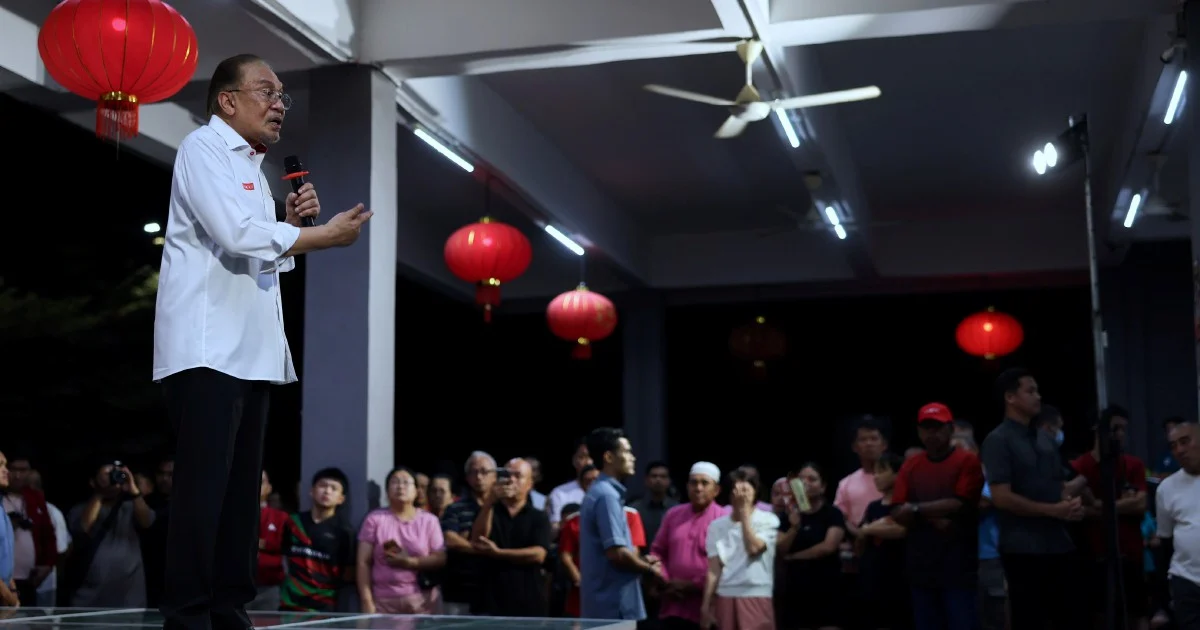
Prime Minister Datuk Seri Anwar Ibrahim has committed to addressing the crisis in Malaysia's durian sector during high-level trade discussions with Chinese Premier Li Qiang when he travels to Beijing next month. The pledge represents an attempt to leverage bilateral relations into immediate relief for growers struggling with depressed prices triggered by severe domestic oversupply, underscoring the political sensitivity of agricultural distress across Malaysia's fruit-growing regions.
The durian market has faced sustained pressure as accumulated inventory has weighed on returns for producers nationwide. Unlike previous seasons when strong demand from China absorbed Malaysian supply, current market dynamics have shifted unfavourably, forcing prices downward and threatening the livelihoods of farming communities. The prime minister's decision to elevate this issue to ministerial-level negotiations reflects the economic importance of the durian industry, which generates substantial export revenues and supports rural employment across the country.
China represents Malaysia's critical export destination for fresh durian, absorbing the majority of cross-border shipments and serving as the primary market for premium varieties. The relationship between the two nations' agricultural sectors has deepened substantially over the past decade, with improved logistics infrastructure and reduced import barriers facilitating expanded trade flows. However, recent price volatility has exposed the risks of export dependence on a single major market, particularly when domestic supply cycles collide with fluctuating consumer demand in importing nations.
The glut affecting Malaysian producers stems from multiple converging factors. Enhanced productivity across growing regions, driven by improved cultivation techniques and tree maturity in established plantations, has expanded harvest volumes significantly. Simultaneously, seasonal supply from other regional producers has increased competition in key markets, while some international buyers have moderated their purchasing patterns. These dynamics have combined to push Malaysian durian prices to levels that undermine farmer profitability and create cash flow challenges for producers.
Malaysia's durian sector employs thousands of growers, from smallholding farmers to larger commercial operations, while supporting downstream industries including packaging, logistics, and export processing. Rural communities dependent on durian cultivation extend across Johor, Pahang, Perak, and other peninsular states, making agricultural stability a concern for regional development and poverty reduction initiatives. Government support for the sector carries electoral significance given the concentration of farming voters in these constituencies.
Anwar's approach reflects the Malaysian administration's willingness to pursue bilateral diplomatic channels to resolve sectoral economic challenges rather than relying solely on domestic market mechanisms. This strategy acknowledges that international trade issues frequently require executive-level intervention to unlock market access or arrange preferential treatment. Such negotiations can potentially expand import quotas, reduce tariff barriers, or establish preferential purchasing arrangements that favour Malaysian supplies over competitors.
The timing of the Beijing visit carries strategic importance. By raising the durian issue at the premier level, Anwar signals to domestic producers that their concerns reach the highest echelons of government attention and that Malaysia will deploy diplomatic resources to stabilise the market. This messaging function serves both political and economic purposes, demonstrating responsiveness to agricultural constituencies while attempting to catalyse concrete commercial outcomes.
China's position as the dominant buyer gives it considerable influence over global durian pricing and market conditions. Demand patterns in major Chinese cities directly impact Malaysian harvesting decisions and acreage allocation, making the strength of bilateral trade relations instrumental to sector health. Any expansion in Chinese import volumes or development of new distribution channels within China would substantially alleviate current oversupply pressures affecting Malaysian growers.
The broader context involves Malaysia's agricultural diversification strategy and economic resilience in commodity-dependent sectors. While durian represents a premium export product with strong price realisations compared to conventional commodities, the sector's vulnerability to demand shocks underscores the importance of market diversification and improved supply management. However, short-term relief for affected growers remains the immediate policy priority, requiring solutions that can be implemented within months rather than years.
Regional dynamics also factor into Malaysia's durian strategy. Thailand and Vietnam have progressively developed competing durian supply capabilities, with investments in cold chain infrastructure and export promotion gradually eroding Malaysia's historical market dominance. Securing preferential access or volume commitments from China becomes increasingly important as competitive pressures intensify, requiring sustained diplomatic engagement rather than one-off negotiations.
Success in Beijing could establish precedent for how Malaysia addresses other agricultural trade challenges, potentially creating templates for government intervention in commodity sectors. If trade discussions yield expanded market opportunities or preferential arrangements, the model might be replicated for other agricultural exports facing similar pressures, from palm oil to tropical fruits. Conversely, if the Beijing visit produces limited tangible outcomes, it could expose limitations of diplomatic approaches to addressing structural market oversupply.
For Malaysian consumers and downstream industries, the current price environment presents opportunities. Lower durian prices have democratised access to the fruit, expanding domestic consumption beyond traditionally affluent demographics. Food processors and exporters of durian-based products benefit from reduced raw material costs, potentially enhancing competitiveness in export markets for processed durian goods. These secondary effects provide some cushioning against the hardship experienced by primary producers.
Anwar's commitment reflects recognition that agricultural support cannot rely exclusively on domestic policy instruments. Trade diplomacy, market access negotiations, and bilateral arrangements increasingly shape the viability of Malaysian farming sectors in an interconnected global economy. The Beijing visit represents Malaysia's attempt to recalibrate market conditions through high-level engagement, recognising that solutions to durian sector challenges ultimately require coordinated action spanning both nations.

