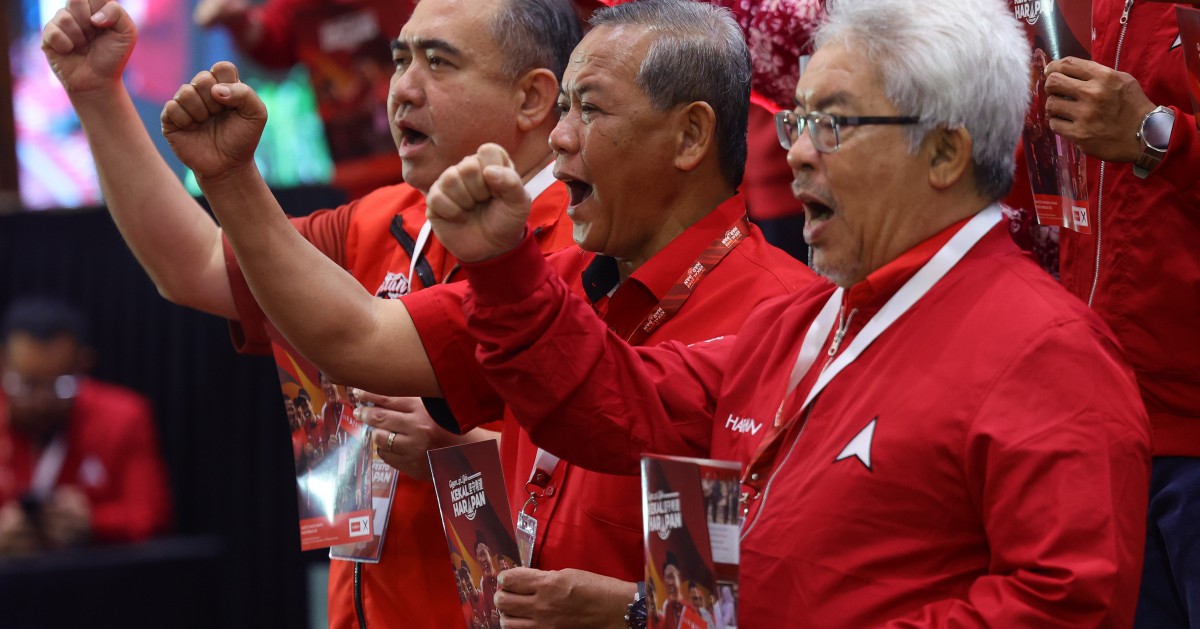
Prime Minister Datuk Seri Anwar Ibrahim is poised to intensify Pakatan Harapan's electoral push in Negri Sembilan, joining the coalition's campaign machinery at a key juncture in the run-up to the state election. The Pakatan chairman's planned appearance in Seremban on Wednesday underscores the strategic importance the ruling coalition places on maintaining its hold over the central Malaysian state, which has emerged as a crucial battleground in the nation's evolving political landscape.
The Prime Minister's direct involvement in the state-level campaign represents a significant show of force by Pakatan, bringing national political leadership into play at the grassroots level. His presence signals confidence in the coalition's electoral prospects while simultaneously galvanising party machinery across the state's various constituencies. For Negri Sembilan voters, the visit offers an opportunity to engage directly with the country's top political leader on issues affecting the state, from economic development to infrastructure and social services.
Negri Sembilan holds particular significance within Malaysia's federal system, serving as a microcosm of broader political trends affecting the nation. The state's electoral outcomes often provide early indicators of public sentiment regarding national governance, making its political fortunes closely watched by analysts and party strategists alike. With Pakatan having governed the state following the 2018 general election, the coalition faces mounting pressure to demonstrate continued competence and popularity at the state level.
Anwar's campaign engagement comes amid intensifying political competition in the state, with opposition parties mobilising their own resources and candidates. The timing of his visit suggests Pakatan's determination to maintain momentum during a critical phase of electioneering, when voter attention typically sharpens and campaign messaging becomes more focused. By appearing alongside state-level candidates, the Prime Minister effectively consolidates the connection between national and state-level governance, emphasising the continuity of Pakatan's political vision.
The campaign trail has become increasingly important for Malaysian political parties seeking to win voter confidence, particularly in states where electoral margins are narrow or where incumbent advantage is contested. Such personal appearances by senior national figures lend credibility to local candidates and reinforce the party's message across multiple constituencies simultaneously. For Pakatan, leveraging Anwar's national profile in Negri Sembilan reflects strategic calculation about where to concentrate campaign resources for maximum electoral impact.
Negri Sembilan's electorate encompasses diverse communities with varying priorities, from manufacturing and commerce in urban centres to agriculture and small-scale industries in rural areas. The state's economic trajectory and job creation record have become central issues in electoral discourse, with voters increasingly evaluating political parties based on their capacity to deliver tangible improvements in living standards. Anwar's participation in the campaign underscores Pakatan's commitment to addressing these bread-and-butter concerns at the state level.
The coalition's decision to deploy its chairman at this stage of campaigning reflects careful political choreography, balancing the need to energise the party base with broader outreach to undecided voters. Anwar's public standing, shaped by his long involvement in Malaysian politics and his current role as Prime Minister, carries significant weight in electoral calculations. His appearances at campaign events function simultaneously as morale-boosting exercises for party workers and as attempts to persuade swing voters of Pakatan's suitability to govern.
Political observers are monitoring how Anwar's campaign contributions influence voter behaviour in Negri Sembilan, particularly among younger voters and urban constituencies where the coalition traditionally draws support. The state election will test whether Pakatan can sustain the electoral coalition that brought it to power nationally, or whether fragmenting political alliances are reshaping voter preferences at the state level. Results from Negri Sembilan may provide valuable insights into broader trends affecting Malaysian politics heading into subsequent electoral contests.
The scheduling of the Prime Minister's visit for Wednesday provides Pakatan's machinery with a concrete focal point for media attention and grassroots mobilisation efforts during a crucial campaign window. Local candidates will benefit from association with national leadership, potentially translating into improved name recognition and enhanced credibility among voters still evaluating their electoral choices. For Pakatan's supporters, the campaign appearance validates their investment in the coalition and reinforces commitment to the party's electoral success.
As Negri Sembilan's political campaign intensifies, the state has become a bellwether for assessing public confidence in Pakatan's stewardship across multiple levels of governance. The coalition's performance here will undoubtedly influence momentum heading into other electoral contests, while potentially shaping broader perceptions about the stability and effectiveness of Malaysia's current political arrangements. Anwar's direct engagement in the campaign trail demonstrates that Pakatan recognises the stakes involved and is committed to deploying its full organisational and political resources to secure continued success in this pivotal state.

