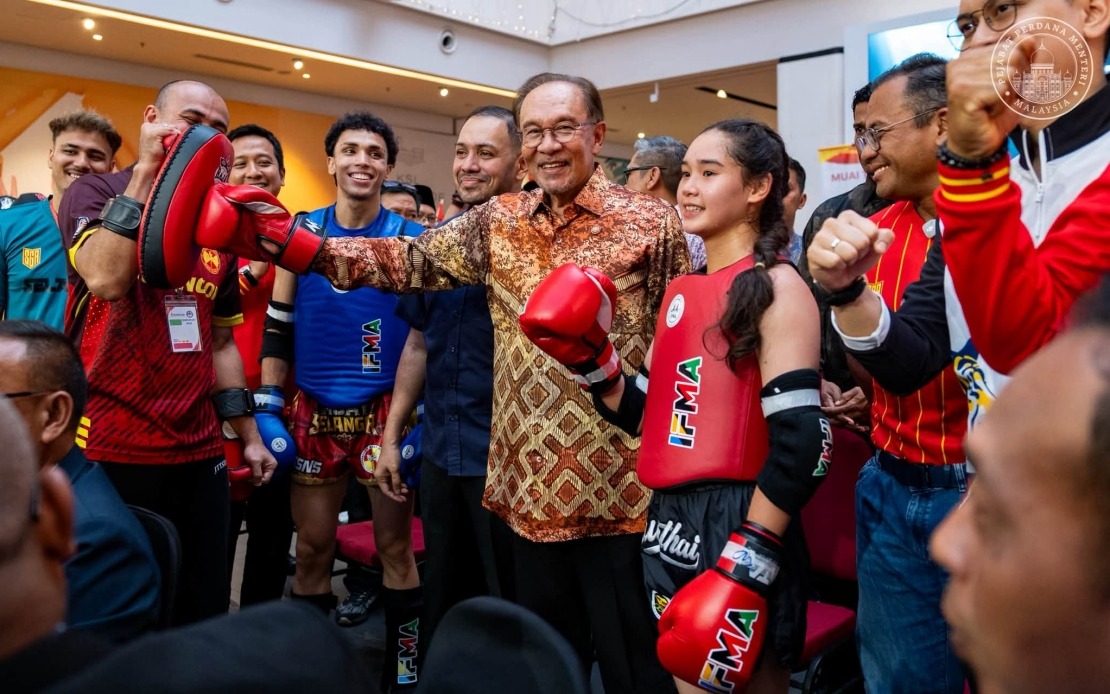
Prime Minister Datuk Seri Anwar Ibrahim has expressed confidence that the next generation of elite Malaysian athletes is emerging from the 2026 Selangor Malaysia Games (SUKMA), where he recently witnessed the remarkable talent and determination of young competitors firsthand. During his visit to observe Muay Thai events at the biennial championship, Anwar took the opportunity to meet with several athletes, an experience that left him impressed by the qualities they demonstrated both in and out of competition.
The Prime Minister's remarks, shared via social media, reflected his assessment that these young competitors possess more than just raw athletic ability. Anwar specifically highlighted the spirit, discipline and courage that the athletes displayed, suggesting these character traits would serve them well if they pursue careers in sport at the highest level. His comments underscore the government's recognition of SUKMA as more than a domestic sporting event, but rather as an incubator for future national representatives who can elevate Malaysia's profile in international competitions.
Selangor's role as host for the 2026 Games marks a significant milestone in the state's sporting history, representing only the second time in nearly three decades that it has shouldered the responsibility of organizing the championship. The scale of this year's event is substantial, with more than 5,000 young athletes from every corner of Malaysia converging to compete for 468 gold medals across 37 different sports. This concentration of talent and competitive intensity creates an environment where emerging athletes can test themselves against their peers from across the nation, offering invaluable experience for those with aspirations to represent Malaysia internationally.
The competition will run until August 24, providing a window during which national sporting associations and development programs can identify promising athletes worthy of advancement into specialized training pathways. For Malaysia, which faces intense regional competition from neighboring countries in Southeast Asia, the SUKMA Games serve as a crucial talent identification platform. Sports administrators and coaches use these events to spot individuals who demonstrate not just technical proficiency but also the mental resilience and work ethic necessary for sustained success at higher levels of competition.
Anwar's emphasis on the courage displayed by these athletes carries particular significance in the Malaysian context. International competition at elite levels demands not only physical preparation but also psychological fortitude—the ability to perform under pressure, maintain composure in high-stakes situations, and push through adversity. The Prime Minister's recognition of these qualities in young SUKMA competitors suggests he perceives a maturity and seriousness of purpose among the current generation of Malaysian youth athletes that augers well for the nation's future sporting endeavors.
The Muay Thai events that Anwar attended are particularly noteworthy given Malaysia's growing presence in combat sports at regional and international levels. The sport has gained considerable traction in Southeast Asia and globally, opening new avenues for Malaysian athletes to gain visibility and build careers in sports. By observing these events closely and meeting with participants, the Prime Minister demonstrated the government's interest in nurturing talent across diverse sporting disciplines beyond traditional team sports and track-and-field events.
From a broader policy perspective, Anwar's comments reflect the Malaysian government's commitment to youth development through sports. Investment in programs like SUKMA yields multiple returns: it promotes physical health and wellness among young people, instills values such as discipline and perseverance, provides pathways for talented individuals to excel, and ultimately contributes to national pride through international sporting achievements. Countries that have successfully built strong sporting cultures often point to robust domestic competition frameworks as essential foundations for their international success.
The economic and social dimensions of hosting major sporting events like SUKMA extend beyond the athletics themselves. Selangor's role as host generates opportunities for local businesses, creates temporary employment, and raises the profile of venues and sporting infrastructure throughout the state. Additionally, the visibility of these games through media coverage inspires younger children to participate in sports and demonstrates to aspiring athletes that pathways to excellence exist within their reach.
Looking ahead, the challenge for Malaysian sporting authorities will be to convert the enthusiasm and talent showcased at SUKMA into sustained international competitiveness. This requires not only identifying promising athletes but also providing them with adequate coaching, facilities, funding, and long-term development strategies. The gap between domestic success and international performance can be substantial, particularly when competing against more resource-rich sporting nations. Nevertheless, the caliber of athletes and their demonstrated commitment at events like SUKMA provides an encouraging foundation upon which such development can be built.
Anwar's public endorsement of these young athletes carries weight beyond mere encouragement. As Prime Minister, his comments signal to government agencies, sporting bodies, and private sector sponsors that youth athletic development is a priority deserving of sustained investment and support. This political commitment can translate into policy initiatives, funding allocations, and institutional arrangements that facilitate pathways from SUKMA success to international representation, ultimately fulfilling the aspirations he has articulated for this emerging generation of Malaysian sporting talent.

