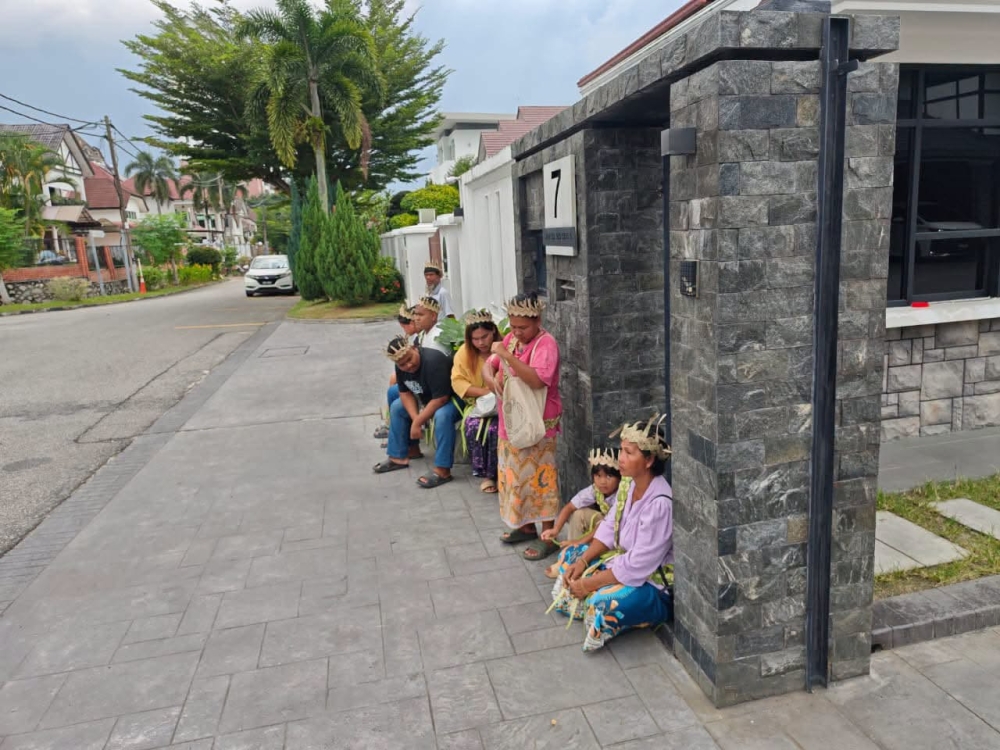
Prime Minister Datuk Seri Anwar Ibrahim has made a public commitment to escalate a contentious land dispute affecting Orang Asli communities in Maran to the Pahang state authorities, after engaging directly with residents grappling with the issue. The pledge underscores the federal government's stated intention to prioritise indigenous land rights, a matter that has long remained entangled in bureaucratic processes and competing claims across multiple jurisdictions.
Anwar's intervention marks a significant diplomatic move in a case that exemplifies the broader struggles facing Malaysia's indigenous populations. The Orang Asli in Maran have found themselves navigating a complex landscape where their traditional territorial claims intersect with state development priorities and commercial land interests. By committing to raise the matter at state level, the Prime Minister is positioning the federal administration as an advocate for indigenous grievances, a stance that could reshape how such disputes are handled nationally.
The decision to engage directly with villagers before escalating the issue reflects a shift in consultation methodology that contrasts with previous top-down approaches. Rather than relying solely on bureaucratic memorandums and official briefings, Anwar's ground-level engagement demonstrates recognition that land disputes carry profound implications for affected communities. These interactions provide opportunities to understand the nuances of each claim, the historical context underlying them, and the practical hardships residents endure while proceedings drag on.
Maran's Orang Asli population comprises part of a broader demographic numbering approximately 180,000 across Peninsular Malaysia, Sabah, and Sarawak. Land issues remain among the most persistent challenges confronting these communities, with competing claims over customary territories creating legal, economic, and social friction. Many Orang Asli settlements lack formal land titles, leaving residents vulnerable to displacement when industrial projects, agricultural expansion, or infrastructure development advance on disputed terrain.
The Pahang government's role in resolving this dispute is pivotal, as state authorities control land matters within their jurisdiction. State governments hold significant discretionary power over land alienation, gazetting procedures, and recognition of customary rights. By pledging to engage directly with Pahang leadership, Anwar is acknowledging that federal intervention requires state-level cooperation to produce meaningful outcomes. Such coordination between federal and state authorities has historically been inconsistent, often allowing disputes to languish in administrative limbo.
For Malaysian and Southeast Asian observers, this situation illustrates the complexities inherent in recognising indigenous land rights within modern nation-states. Orang Asli territories frequently overlap with areas designated for development under national economic plans, creating structural tension between conservation, indigenous welfare, and growth objectives. Several Asean neighbours face analogous challenges involving their own indigenous populations, making Malaysia's approach to these disputes regionally significant.
The credibility of Anwar's commitment will ultimately hinge on tangible progress at the negotiation table. Previous federal administrations have issued comparable assurances regarding indigenous matters, yet implementation has often stalled when competing interests mobilised resistance. State governments, while nominally bound by federal directives, sometimes prioritise economic development over indigenous claims. The test for the current government involves sustaining pressure on Pahang authorities to advance genuine resolutions rather than merely postponing decisions.
Orang Asli land struggles carry implications extending far beyond individual disputes. Each unresolved case contributes to broader patterns of marginalisation affecting indigenous livelihoods, access to natural resources, and community cohesion. When land claims remain unresolved for years or decades, residents struggle to invest in their territories, plan long-term economic activities, or maintain cultural practices tied to specific locations. Schools, clinics, and infrastructure improvements become difficult to justify without formal land security.
The Maran case also intersects with environmental considerations increasingly prominent in public discourse. Orang Asli territories often contain forests and ecosystems of significant ecological value. Recognising indigenous land rights can paradoxically advance conservation goals, as indigenous stewardship has demonstrated effectiveness in preserving biodiversity. This alignment between indigenous interests and environmental sustainability potentially strengthens arguments for resolving such disputes favourably.
Anwar's engagement with Maran villagers occurred within the broader context of his administration's emphasis on inclusivity and addressing historical grievances. The federal government has signalled intentions to revise approaches to indigenous affairs, suggesting that traditional top-down management may yield to more consultative frameworks. Whether this represents genuine policy reorientation or rhetorical repositioning remains to be established through subsequent administrative actions.
The administrative pathway forward likely involves establishing clearer communication channels between federal offices, state authorities, and affected communities. Documentation of traditional land use patterns, historical occupation records, and cultural significance of disputed territories would strengthen Orang Asli claims in legal and administrative proceedings. Transparent timelines for decisions would also reduce uncertainty plaguing communities awaiting resolution.
Moving forward, Anwar's commitment requires translation into specific actions: formal meetings with Pahang leadership, establishment of dedicated negotiating committees, and publicly announced deadlines for resolution attempts. Without such mechanisms, the pledge risks becoming another unfulfilled assurance in a lengthy history of indigenous land disputes. The measure of success will ultimately rest on whether Orang Asli communities in Maran gain formal recognition of their land claims and secure tenure enabling sustainable livelihood development.

