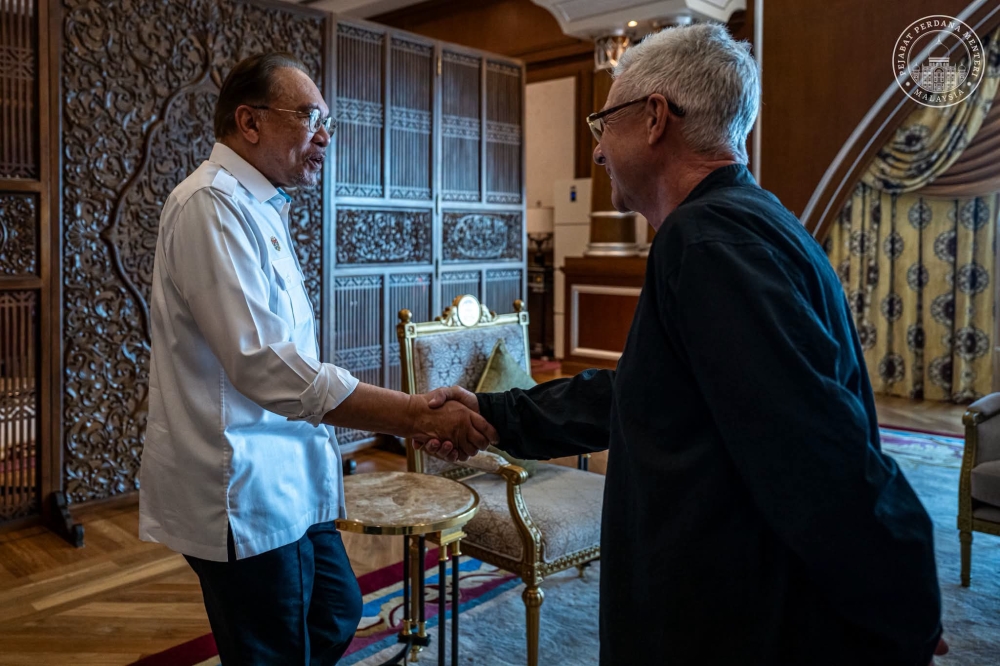
Prime Minister Datuk Seri Anwar Ibrahim has engaged directly with leadership from the Singapore Grand Prix in what signals renewed momentum toward restoring Malaysia's presence on the Formula 1 calendar. The high-level meeting represents a significant diplomatic and sporting initiative, reflecting the government's determination to revive international motorsport competition at Sepang International Circuit, which last hosted the Malaysian Grand Prix in 2017 before the contract lapsed.
The involvement of Singapore's Grand Prix representatives in these discussions carries particular strategic weight given the neighbouring city-state's success in maintaining and expanding its own Formula 1 event. Since 2008, Singapore has hosted the sport's only night-time street race, transforming the Marina Bay circuit into a prestigious international showcase that attracts global attention and substantial economic returns. By engaging directly with Singapore's expertise and institutional knowledge, Malaysia's leadership demonstrates a pragmatic approach to understanding what makes Formula 1 events commercially viable and operationally successful in the Southeast Asian context.
Sepang's absence from the Formula 1 calendar represents a considerable gap in Malaysia's sporting infrastructure and international profile. For nearly two decades, the circuit hosted the Malaysian Grand Prix, serving as a flagship event that drew international visitors, generated broadcast revenue, and positioned Malaysia as a serious player in global motorsport. The track's modern facilities, strategic location within Southeast Asia's largest metropolitan area, and established institutional framework make it a logical candidate for Formula 1's return to the region. However, securing a spot on the increasingly competitive F1 calendar requires navigating complex negotiations with the sport's governing body and demonstrating financial and operational capacity.
The timing of these discussions suggests the government is actively working to position Malaysia's motorsport ambitions within a broader economic development strategy. Formula 1 events generate substantial tourism revenue, create employment opportunities across hospitality, security, and infrastructure sectors, and enhance a nation's soft power through global television exposure. For Malaysia, reestablishing such a high-profile international event could serve multiple policy objectives simultaneously, from economic stimulus to national brand enhancement and technological advancement in the automotive and engineering sectors.
Regional considerations underscore the importance of these diplomatic exchanges. Southeast Asia currently hosts limited Formula 1 activity, with Singapore's Grand Prix representing the region's primary motorsport centrepiece. Vietnam briefly entered the calendar but withdrew after contractual disputes, while Thailand's bid to host races has faced various obstacles. This limited regional presence creates both challenge and opportunity for Malaysia: the challenge of competing for limited F1 slots, but also the opportunity to position Sepang as the region's most reliable and capable venue. The geographic convenience of Sepang for international teams, sponsors, and media operating across Southeast Asia adds practical advantages to its commercial proposition.
Sepang International Circuit itself possesses credentials that distinguish it from other potential venues. The facility has hosted multiple categories of international motorsport, maintains world-class technical standards, and benefits from proximity to Kuala Lumpur's infrastructure. The circuit's design accommodates both traditional racing formats and modern F1 requirements, and its existing paddock infrastructure reduces capital expenditure compared to developing new facilities. These factors make the venue fundamentally sound, though the commercial equation remains paramount in Formula 1's decision-making processes.
The political dimension of these talks cannot be overlooked. A successful Formula 1 return would constitute a signature achievement for Prime Minister Anwar's administration, demonstrating effective international engagement and the capacity to deliver transformative projects for Malaysia. The personal involvement of the Prime Minister underscores the government's commitment and signals to Formula 1's commercial stakeholders that Malaysia treats the negotiation with appropriate seriousness. Such high-level political backing often proves decisive in securing major international sporting events, where institutional stability and government support matter considerably.
Funding arrangements will likely emerge as a critical negotiating point in any future F1 hosting agreement. Modern Formula 1 races typically require substantial public or private investment to meet the sport's exacting technical and hospitality standards. Discussions with Singapore's representatives would naturally encompass the financial models that have sustained Singapore's successful event, including public-private partnerships, corporate sponsorship structures, and tourism revenue projections. Understanding how Singapore balances government investment with commercial returns provides valuable benchmarking data for Malaysian planners.
The broader motorsport ecosystem in Malaysia could benefit significantly from F1's return to Sepang. A Formula 1 event would elevate the profile of the entire racing facility, potentially attracting other international competitions and driving technological innovation in automotive manufacturing and engineering. The presence of a marquee international event often catalyzes investment in supporting infrastructure, hospitality services, and technical expertise that benefits the entire sporting community and related industries.
Looking forward, the success of these preliminary discussions will likely depend on demonstrating concrete financial commitments and operational readiness. Formula 1 operates within a highly competitive bidding environment where multiple potential venues compete for limited calendar slots. Malaysia's ability to present a compelling case—combining Sepang's proven capabilities with renewed governmental support and a clear commercial strategy—will determine whether these conversations advance toward binding negotiations with Formula 1 Management and the international motorsport governing body.

