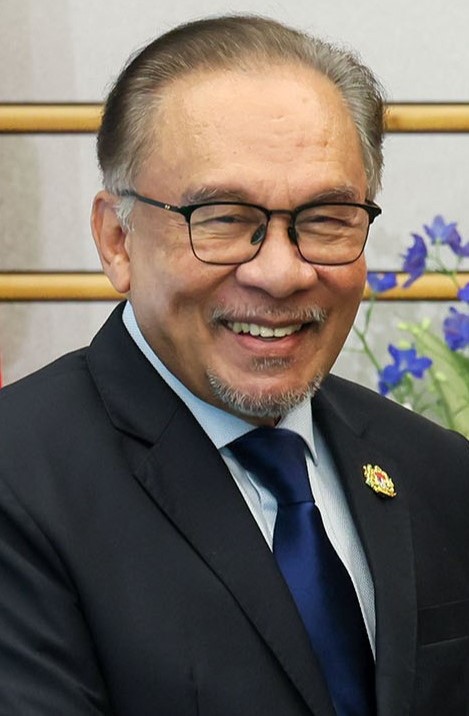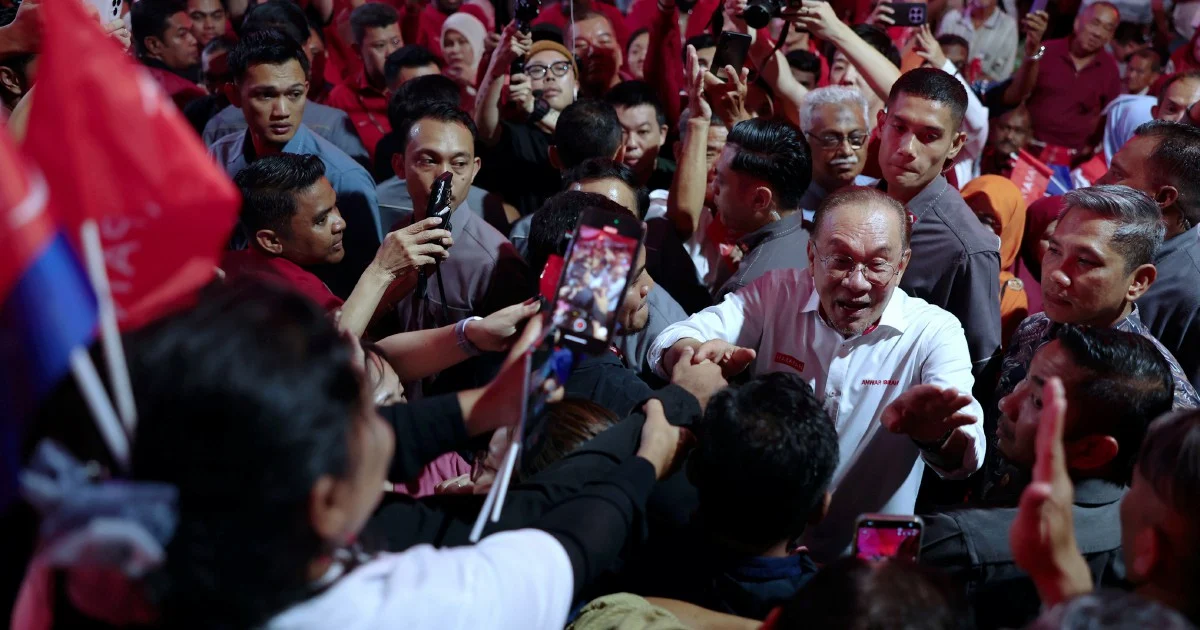
Pakatan Harapan formally presented its comprehensive candidate lineup for the Johor state election on July 11, marking a significant moment in the coalition's effort to challenge entrenched political structures in one of Malaysia's most strategically important states. The announcement, made by coalition chairman Datuk Seri Anwar Ibrahim in Tangkak, represents the opposition bloc's most ambitious electoral push in Johor since the 2022 general elections fundamentally reshaped the nation's political landscape.
Johor's electoral significance extends well beyond its 56 state assembly seats. As the nation's economic powerhouse, contributing substantially to federal revenues and serving as a manufacturing and trade hub, control of the state holds implications for regional development and infrastructure priorities. For Pakatan Harapan, capturing Johor would provide not only a southern stronghold but also critical momentum heading into future national contests. The state has traditionally been governed by Barisan Nasional, making any PH advance particularly consequential.
The unveiling of a full candidate slate demonstrates PH's commitment to contesting every available seat, suggesting internal confidence despite Johor's historical voting patterns. This aggressive approach contrasts with selective participation strategies that opposition coalitions sometimes adopt in challenging territory. By fielding 56 nominees across all constituencies, Pakatan Harapan signals to voters that it is presenting a genuine alternative government rather than a token opposition presence.
Anwar Ibrahim's personal leadership of the candidate announcement underscores the campaign's strategic weight within PH's broader political calculations. As Prime Minister, his involvement in grassroots election activities demonstrates how the coalition views this contest as integral to validating its continued hold on federal power. Should Johor voters endorse PH, it would provide valuable political capital for the federal government, while a poor showing could raise questions about PH's electoral sustainability beyond its core strongholds.
The July 11 election date positions the Johor polls within a compressed electoral cycle. Malaysia has experienced unprecedented frequency of elections since the 2022 general elections, straining party machinery, volunteer networks, and public patience. For voters in Johor, another election represents both an opportunity to reassess state governance and potential fatigue with perpetual campaigning. This context may influence turnout and voting behavior across demographic groups.
Johor's electorate encompasses diverse constituencies—from industrialized urban areas around Johor Bahru to rural and semi-rural districts. Crafting a candidate slate that appeals across this spectrum while maintaining factional balance within the coalition itself remains a complex undertaking. The 56 nominees must collectively address local issues ranging from economic development and employment to education and social services, each filtered through the particular concerns of individual constituencies.
Packatan Harapan's composition—uniting DAP, PKR, Amanah, and aligned parties—requires careful negotiation of seat allocation. How these coalition partners divide the 56 candidatures reflects internal power dynamics and their relative strength in different regions. Such distributional challenges can either strengthen the coalition through inclusive representation or expose tensions if particular partners feel sidelined from competitive seats.
The backdrop of this election includes evolving voter sentiment regarding PH's federal performance since 2022. Economic pressures, inflation, and cost-of-living concerns have dominated public discourse, potentially affecting how voters evaluate both federal and state governance. In Johor, where local industrial employment and commercial activity drive household incomes, economic messaging and tangible proposals for job creation and business support could prove decisive.
For Malaysian politics more broadly, the Johor election serves as a referendum on regional political competition outside PH's traditional strongholds of Selangor, Penang, and Negeri Sembilan. Success in Johor would expand PH's geographic footprint and demonstrate its appeal extends beyond specific constituencies. Conversely, maintaining or strengthening opposition presence in Johor's assembly, even without capturing the state government, could lay groundwork for future contests and validate continued coalition cohesion.
The candidate announcement phase typically triggers intensified political activity—campaign launches, constituency visits, and policy differentiation with rival coalitions. In Johor's case, this will pit Pakatan Harapan's reform narrative and federal governance record against Barisan Nasional's traditional dominance and resource advantages at the state level. Independent candidates and smaller parties may also contest selected seats, fragmenting the vote in unpredictable ways.
Voter registration and turnout mechanics will influence the election's outcome significantly. Johor's demographic composition includes substantial numbers of young first-time voters, migrant workers from other states, and established communities with deep political loyalties. Each segment may respond differently to PH's candidate slate and campaign messaging.
As Anwar and Pakatan Harapan mobilize for July 11, the Johor election represents both an immediate contest for state power and a broader test of coalition viability in challenging terrain. The 56-candidate slate embodies the opposition's determination to compete across every constituency, transforming what might otherwise be a routine state election into a meaningful gauge of Malaysia's evolving political dynamics.