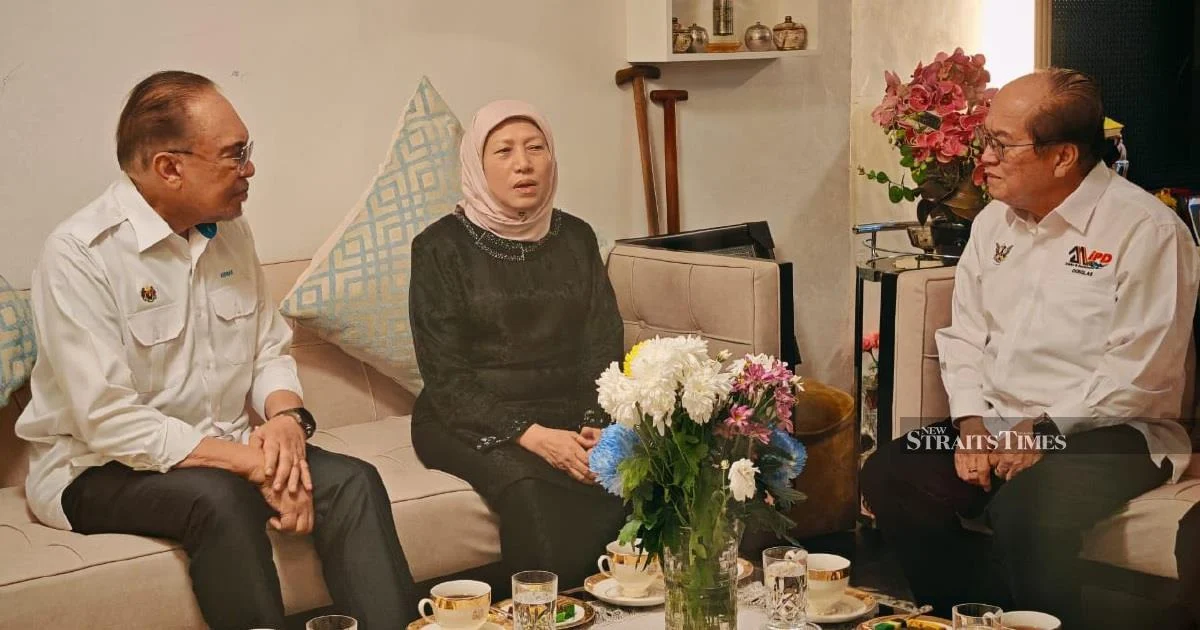
Prime Minister Datuk Seri Anwar Ibrahim travelled to Kuching to personally offer his sympathies to Women, Family and Community Development Minister Datuk Seri Nancy Shukri, whose husband Datuk Kamil Misuari has recently passed away. The gesture underscores the importance placed by the nation's leadership on supporting a senior cabinet minister during a time of personal loss and grief.
The visit represents a significant moment in Malaysia's political landscape, as it demonstrates the solidarity and compassion that leadership at the highest level can extend to colleagues facing bereavement. Such visits, though solemn in nature, carry considerable symbolic weight in Malaysian political culture, where they signal both personal regard and institutional support for those in government who are navigating difficult personal circumstances.
Nancy Shukri has held her ministerial portfolio with responsibility for women's affairs, family welfare, and community development—a portfolio that requires both strategic vision and deep engagement with Malaysian society across multiple demographics. The loss of a spouse naturally impacts any individual, regardless of their professional standing, and the Prime Minister's decision to make the journey personally reflects awareness of the significance of such personal tragedy in the life of a serving minister.
Datuk Kamil Misuari's passing removes a figure from the networks of influence and family connections that often characterise Malaysia's political establishment. Such losses reverberate across the professional and personal circles of government officials, and the acknowledgment of grief through high-level visits helps maintain the bonds of solidarity within the political leadership structure.
This condolence visit also reflects the continuing operations of Malaysia's government despite personal challenges faced by ministers. The cabinet system requires its members to balance their public duties with private matters, and institutional support—expressed through gestures such as the Prime Minister's visit—helps facilitate this balance. Nancy Shukri continues her responsibilities at the Women, Family and Community Development Ministry, an agency focused on policies affecting families, women's welfare, and community cohesion across the nation.
The ministry's mandate is particularly relevant to Malaysian society, given ongoing discussions about family structures, women's participation in the workforce and public life, and the strengthening of community bonds. During a period when Nancy Shukri is grieving the loss of her husband, the visible support from the Prime Minister sends a message that her government colleagues recognise both her personal vulnerability and her continued capacity to serve the nation's communities.
In Malaysian political tradition, such personal visits carry greater weight than formal statements. They demonstrate a commitment to human relationships that transcend the ordinary machinery of government, and they acknowledge that those who serve the public are also human beings subject to life's most profound experiences. The decision to visit in person, rather than simply sending a message of condolence, reflects the personal relationship between Anwar Ibrahim and Nancy Shukri as both political colleagues and fellow members of Malaysia's leadership structure.
The timing of such visits is typically kept private and intimate, allowing the bereaved family to grieve while also acknowledging the support of the wider political community. This balance is important in Malaysian culture, where respect for private grief is paramount, yet institutional recognition of loss is equally valued. The Prime Minister's presence in Kuching serves both purposes simultaneously.
Nancy Shukri has built a career in Malaysian politics and administration, and her ministerial position places her at the centre of policy discussions affecting millions of Malaysians. The Women, Family and Community Development Ministry addresses issues ranging from domestic welfare to women's rights, economic participation, and family support systems. Such substantive portfolio responsibilities mean that any personal crisis affecting the minister can impact the continuity and momentum of these important government functions.
The broader significance of this moment extends beyond the immediate family and colleagues involved. It demonstrates how Malaysia's government manages the human dimensions of political leadership, acknowledging that public service does not diminish the importance of personal relationships and family bonds. The Prime Minister's willingness to prioritise this visit reflects values of compassion and solidarity that remain central to Malaysian governance, even as the nation addresses complex policy challenges and economic imperatives.
As Nancy Shukri moves through this period of bereavement, the institutional support offered by the Prime Minister and presumably other members of cabinet and parliament will likely be an important source of strength. Such moments, though marked by sorrow, also serve to reinforce the networks of human connection that bind Malaysia's political leadership together and remind the public that those who lead the nation are themselves subject to the same universal experiences of loss and grief that affect all Malaysians.
%22%2F%3E%3C%2Fpattern%3E%3C%2Fdefs%3E%3Crect%20width%3D%22100%25%22%20height%3D%22100%25%22%20fill%3D%22url(%23ph20e1dg)%22%2F%3E%3Crect%20width%3D%22100%25%22%20height%3D%22100%25%22%20fill%3D%22url(%23ph20e1dp)%22%2F%3E%3Ctext%20x%3D%2250%25%22%20y%3D%2250%25%22%20text-anchor%3D%22middle%22%20dominant-baseline%3D%22central%22%20fill%3D%22rgba(255%2C255%2C255%2C0.95)%22%20font-family%3D%22Georgia%2C%20'Times%20New%20Roman'%2C%20serif%22%20font-weight%3D%22700%22%20font-size%3D%22272%22%20letter-spacing%3D%22-0.02em%22%3EMITRA%3C%2Ftext%3E%3C%2Fsvg%3E)
%22%2F%3E%3C%2Fpattern%3E%3C%2Fdefs%3E%3Crect%20width%3D%22100%25%22%20height%3D%22100%25%22%20fill%3D%22url(%23ph29qdrg)%22%2F%3E%3Crect%20width%3D%22100%25%22%20height%3D%22100%25%22%20fill%3D%22url(%23ph29qdrp)%22%2F%3E%3Ctext%20x%3D%2250%25%22%20y%3D%2250%25%22%20text-anchor%3D%22middle%22%20dominant-baseline%3D%22central%22%20fill%3D%22rgba(255%2C255%2C255%2C0.95)%22%20font-family%3D%22Georgia%2C%20'Times%20New%20Roman'%2C%20serif%22%20font-weight%3D%22700%22%20font-size%3D%22320%22%20letter-spacing%3D%22-0.02em%22%3ERim%3C%2Ftext%3E%3C%2Fsvg%3E)
%22%2F%3E%3C%2Fpattern%3E%3C%2Fdefs%3E%3Crect%20width%3D%22100%25%22%20height%3D%22100%25%22%20fill%3D%22url(%23phnm1xg)%22%2F%3E%3Crect%20width%3D%22100%25%22%20height%3D%22100%25%22%20fill%3D%22url(%23phnm1xp)%22%2F%3E%3Ctext%20x%3D%2250%25%22%20y%3D%2250%25%22%20text-anchor%3D%22middle%22%20dominant-baseline%3D%22central%22%20fill%3D%22rgba(255%2C255%2C255%2C0.95)%22%20font-family%3D%22Georgia%2C%20'Times%20New%20Roman'%2C%20serif%22%20font-weight%3D%22700%22%20font-size%3D%22320%22%20letter-spacing%3D%22-0.02em%22%3EPM%3C%2Ftext%3E%3C%2Fsvg%3E)