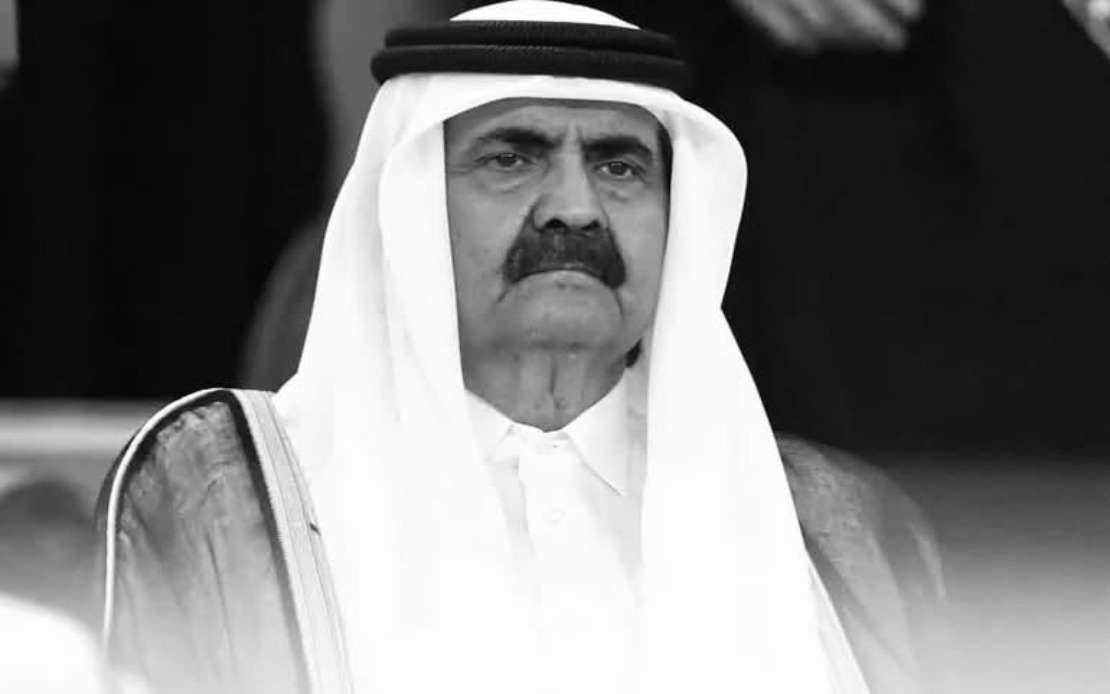
Prime Minister Datuk Seri Anwar Ibrahim has conveyed Malaysia's deepest sympathies to Qatar's current Amir Sheikh Tamim bin Hamad Al Thani, the Qatari royal family, and the nation following the death of Sheikh Hamad bin Khalifa Al Thani, the Father Amir, who passed away on Sunday morning at the age of 74. In remarks posted on Facebook, Anwar acknowledged the passing of a figure whose two decades of stewardship fundamentally reshaped Qatar's position on the global stage.
Sheikh Hamad's 18-year tenure as Amir, which spanned from 1995 until his voluntary relinquishment of power in 2013, witnessed the small Gulf state's emergence as an economic powerhouse and influential regional actor. During this pivotal period, Qatar diversified its revenue streams beyond hydrocarbon exports, invested heavily in infrastructure and education, and established itself as a mediator in various international disputes. The modernization he championed transformed Qatar from a relatively isolated nation into one hosting world-class institutions, hosting major sporting events, and wielding considerable diplomatic influence across the Middle East and beyond.
Anwar particularly commended Sheikh Hamad's decision to step down after nearly two decades in power, characterizing the transition as a remarkable demonstration of political wisdom and foresight. Rather than clinging to authority, the former Amir voluntarily handed the reins to his son Sheikh Tamim, establishing a precedent in the Gulf monarchies for planned succession and demonstrating a commitment to institutional continuity over personal longevity in office. This move, rare among regional leaders of his generation, underscored a vision of governance that prioritized national stability and the interests of the next generation over personal legacy.
Under Sheikh Hamad's leadership, Qatar achieved unprecedented economic expansion, leveraging its vast natural gas reserves to fund ambitious development projects and create sovereign wealth vehicles that would secure the nation's future prosperity. The establishment of institutions such as Qatar Foundation and various research centers reflected his conviction that sustainable growth required investment in human capital and knowledge creation. His administration also pursued a distinctive foreign policy approach, often positioning Qatar as a neutral ground for dialogue and conflict resolution, a strategy that enhanced its standing in international affairs.
The Prime Minister's tribute recognized Sheikh Hamad as a steadfast ally to Malaysia and a respected elder statesman within the Muslim world. Malaysia has maintained robust diplomatic and economic ties with Qatar, and the bilateral relationship has been strengthened through various cooperation frameworks spanning trade, education, and cultural exchanges. Sheikh Hamad's tenure witnessed the deepening of these connections, with Malaysian investments flowing into Qatari development projects and increasing collaboration between Malaysian and Qatari institutions.
Anwar's message extended spiritual wishes for the deceased and expressions of support for the bereaved family and Qatari populace during their period of mourning. The Prime Minister invoked Islamic prayers for the departed soul, reflecting Malaysia's deeply rooted Muslim identity and its cultural affinity with Qatar. Such gestures carry particular significance in the Muslim world, where expressions of condolence are deeply intertwined with religious observance and communal bonds.
The passing of Sheikh Hamad marks the end of an era in Gulf politics characterized by a particular vision of modernization and diplomatic pragmatism. His influence extended beyond Qatar's borders, particularly in his efforts to position the nation as a bridge between different regional and international actors. For Malaysia and other Southeast Asian nations with interests in the Gulf, Sheikh Hamad's stewardship represented a period of relative stability and increasing connectivity with a key strategic partner in the energy-rich region.
Qatar's announcement of Sheikh Hamad's death through its official Amiri Diwan confirmed his passing on Sunday, concluding a life marked by substantial contributions to his nation's development and regional standing. Sheikh Tamim, who has now led Qatar for over a decade following his assumption of office in 2013, inherited and has continued the trajectory set by his father, maintaining Qatar's assertive foreign policy and economic diversification strategies.
For Malaysian observers of Gulf affairs, Sheikh Hamad's legacy serves as a case study in how smaller nations can punch above their weight through strategic vision, judicious use of natural resources, and commitment to institutional development. His decision to voluntarily transfer power has also become a reference point in discussions about governance and succession planning among monarchies, offering an alternative model to the perpetual retention of authority that has characterized some regional governments. As the Muslim world and the international community reflect on his contributions, the implications of his leadership continue to shape the region's geopolitical landscape and its relations with Southeast Asia.

