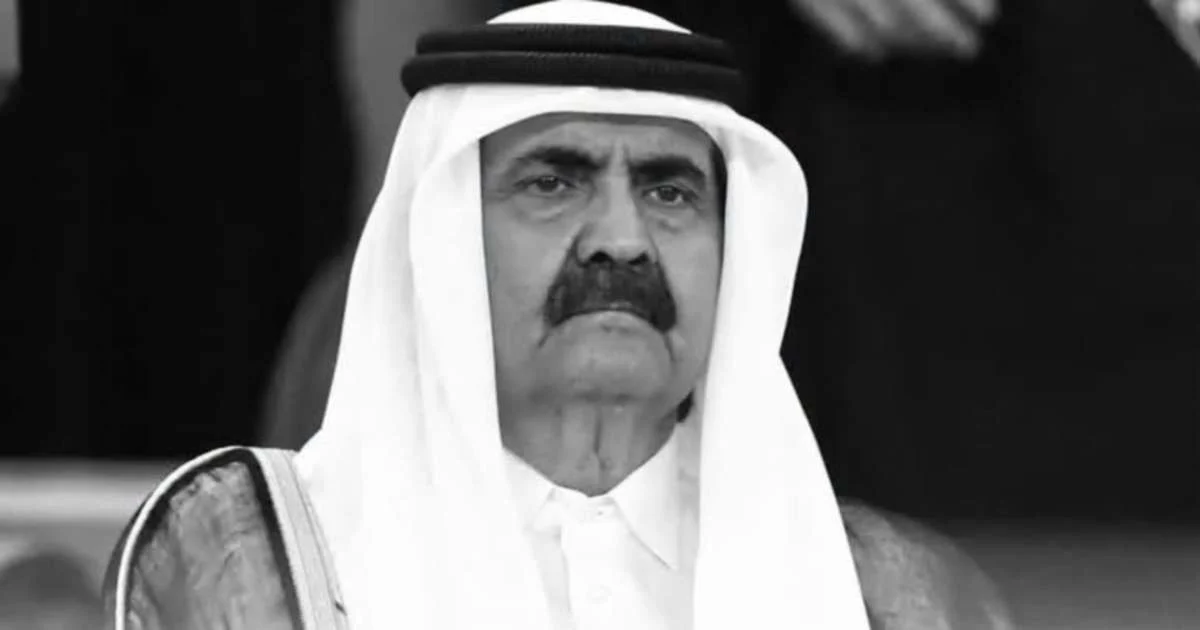
Prime Minister Datuk Seri Anwar Ibrahim has conveyed Malaysia's official condolences to the Qatari government and its people following the death of Sheikh Hamad bin Khalifa Al Thani, the Gulf nation's former leader who passed away at the age of 74. The diplomatic gesture reflects the longstanding bilateral relations between Kuala Lumpur and Doha, marking another instance of Malaysia's engagement within the broader Gulf Cooperation Council region.
Sheikh Hamad bin Khalifa Al Thani's passing represents a significant moment for the Arab Gulf state, as he played a pivotal role in shaping modern Qatar during his tenure. His death comes as a moment for reflection across the Middle East and among nations maintaining strong ties with the petro-state, including Malaysia, which has developed substantial economic and cultural connections with Qatar over recent decades.
The timing of Anwar's expression of sympathy underscores the importance Malaysia places on its relationships within the Gulf region, where strategic partnerships have grown increasingly valuable for Southeast Asian nations navigating complex geopolitical dynamics. Qatar, as one of the world's wealthiest nations by per capita income and a major player in global energy markets, maintains significant influence that extends far beyond the Arabian Peninsula.
Malaysia's diplomatic outreach during such occasions demonstrates the protocol and respect traditionally observed between nations sharing common interests in trade, investment, and cultural exchange. The condolence message serves not merely as a formal acknowledgment but also as a reaffirmation of the bonds connecting Malaysia with Qatar's leadership and institutions.
Sheikh Hamad bin Khalifa Al Thani's rule left an indelible mark on Qatar's transformation from a modest oil-producing state into a modern economic powerhouse. His vision and decisions during his leadership period established frameworks that continue influencing the nation's trajectory, making his passing a watershed moment in the country's contemporary history. The former emir's legacy encompasses major infrastructure developments, the establishment of educational institutions, and Qatar's emergence as a key mediator in regional affairs.
The relationship between Malaysia and Qatar has encompassed various dimensions, from bilateral trade agreements to collaborative efforts in international forums. Malaysian companies have invested substantially in Qatar, particularly in the construction and service sectors, while Qatari capital has similarly found opportunities within Malaysia's growing economy. These commercial ties underscore the mutual benefits both nations derive from sustained engagement.
For Malaysia, Qatar represents an important gateway to wider Gulf markets and investment opportunities. The nation's strategic location, coupled with its substantial sovereign wealth funds, makes it an attractive partner for Malaysian businesses seeking to expand regionally. Beyond commerce, cultural and educational exchanges have fostered deeper understanding between the populations of both countries, with numerous Malaysian students pursuing studies at Qatari institutions and institutions like Education City.
Anwar's gesture also reflects Malaysia's broader diplomatic posture within the Muslim world, where solidarity during times of loss carries particular significance. As a Muslim-majority nation with significant representation in the United Nations and other international bodies, Malaysia recognises the importance of maintaining warm relations with influential Gulf states that share common religious and cultural heritage.
The death of Sheikh Hamad bin Khalifa Al Thani marks an occasion for the international community to acknowledge his contributions to Qatar's development and regional stability. During his rule, Qatar expanded its global footprint through significant investments in major cities worldwide, including real estate acquisitions and stakes in multinational corporations. This outward-looking approach transformed Qatar's image from a peripheral regional actor to a central player in global finance and diplomacy.
Looking forward, Anwar's condolence message signals Malaysia's readiness to work constructively with Qatar's current leadership and institutions as the nation navigates this transitional period. Continuity in bilateral relations serves the interests of both countries, ensuring that established mechanisms for cooperation remain robust and effective.
The expression of sympathy from Malaysia's highest office, delivered through official channels, represents the formal recognition of a significant loss within the Gulf region. Such diplomatic gestures, though ceremonial in nature, carry weight in international relations by reinforcing bonds and demonstrating respect for the traditions and values that underpin relations between nations.
For Malaysian observers, the passing of Sheikh Hamad bin Khalifa Al Thani serves as a reminder of Qatar's importance as a regional partner and the ongoing relevance of Gulf relations to Southeast Asian nations. As Malaysia continues to diversify its international partnerships and strengthen economic ties across different regions, maintaining strong diplomatic relationships with established partners like Qatar remains strategically valuable for long-term prosperity and regional influence.

