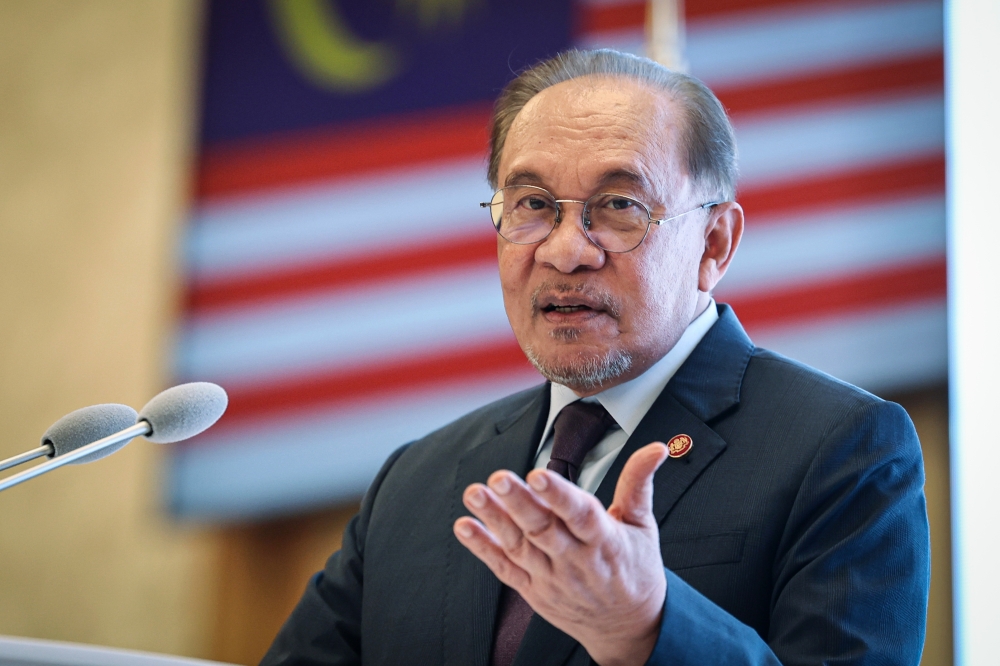
Prime Minister Datuk Seri Anwar Ibrahim has expressed his appreciation to the public for their prayers and good wishes during a recent period, reaffirming his commitment to transparent governance as Malaysia confronts significant institutional challenges. The reassurance from the nation's leader comes as the government prepares to convene Parliament for an extraordinary session focused on the royal commission of inquiry report into Tabung Haji, the pilgrimage savings scheme that has faced mounting scrutiny over its management and financial health in recent years.
The special parliamentary sitting represents a pivotal moment in addressing what has become a contentious issue affecting millions of Malaysian Muslim depositors who have entrusted their savings to the institution. The government's decision to conduct a formal parliamentary hearing underscores the gravity with which senior leadership views the findings, signalling an intention to place accountability and institutional reform at the forefront of its agenda. This approach aligns with Anwar's broader policy commitments to strengthen democratic processes and ensure legislative oversight of executive decisions.
Tabung Haji has long occupied a unique position within Malaysia's financial architecture as a statutorily mandated savings vehicle for Muslims intending to perform the Hajj pilgrimage. The scheme's operational challenges have crystallised public concern about governance standards within state-linked entities, particularly regarding investment strategies, asset management, and the protection of ordinary depositors' funds. The royal commission of inquiry was established to investigate these matters comprehensively, and its final report is expected to contain recommendations for structural and operational improvements.
The timing of the special parliamentary session carries additional significance given Malaysia's evolving political landscape. Parliamentary proceedings focused on institutional failings and reform recommendations can serve as a venue for substantive policy debate while simultaneously testing the cohesion of the government's coalition. How different parliamentary factions respond to the royal commission's findings will offer insights into the broader stability of the current administration and its capacity to build consensus on sensitive reform initiatives.
For Malaysian depositors, the parliamentary sitting represents an opportunity for their representatives to scrutinise findings and hold government accountable for any shortcomings in supervision or regulation that may have contributed to Tabung Haji's difficulties. The direct legislative focus on the issue provides a democratic mechanism for public concerns to be articulated and documented in official parliamentary records, establishing a formal repository of government accountability on the matter.
The special session also reflects growing international attention to governance standards in Malaysian financial institutions. Regional and international observers have monitored developments affecting major Asian savings schemes and state enterprises, and parliament's formal engagement with the Tabung Haji report signals Malaysia's responsiveness to institutional reform pressures. This positioning may enhance Malaysia's standing among international investors and financial regulators who increasingly emphasise transparency and institutional accountability.
Anwar's personal expression of gratitude and his direct confirmation of parliamentary proceedings suggest high-level political investment in managing this issue transparently. The Prime Minister's engagement signals that the government views the Tabung Haji matter as more than a technical administrative concern; rather, it reflects broader commitments to institutional integrity that resonate with his political messaging and policy platform. This personal dimension may also serve to reassure depositors and the broader public that senior leadership is actively engaged.
The parliamentary deliberation on Tabung Haji's findings will likely encompass examination of investment performance, cost structures, governance arrangements, and regulatory oversight mechanisms. Legislators may probe specific transactions, administrative decisions, and systemic vulnerabilities that the royal commission identified. The proceeding may also generate discussion about whether existing regulatory frameworks adequately protect depositors' interests or whether legislative reforms are necessary to strengthen institutional safeguards.
Regional observers in Southeast Asia are closely watching how Malaysia addresses institutional governance challenges within state-linked enterprises and savings schemes. Several neighbouring countries operate similar pilgrimage savings mechanisms, and Malaysia's response to the Tabung Haji findings may establish precedents for how governments in the region approach institutional transparency and accountability in sensitive policy domains. The parliamentary sitting thus carries implications that extend beyond Malaysia's borders.
The government's commitment to convening Parliament specifically to address the royal commission report represents a conscious choice to prioritise democratic process and legislative scrutiny over administrative resolution. This approach contrasts with alternative scenarios where findings might be addressed primarily through executive decree or bureaucratic processes. The decision reflects confidence in Parliament's capacity to engage substantively with complex institutional questions while simultaneously furnishing a platform for public accountability.
Moving forward, the outcome of parliamentary deliberation on Tabung Haji will likely shape public and investor confidence in the government's commitment to institutional reform. The specific recommendations that emerge, the measures that Parliament endorses, and any legislative amendments that follow will collectively signal the depth of institutional change the government intends to pursue. This will be closely monitored by depositors, financial analysts, and regional observers assessing Malaysia's governance trajectory.

