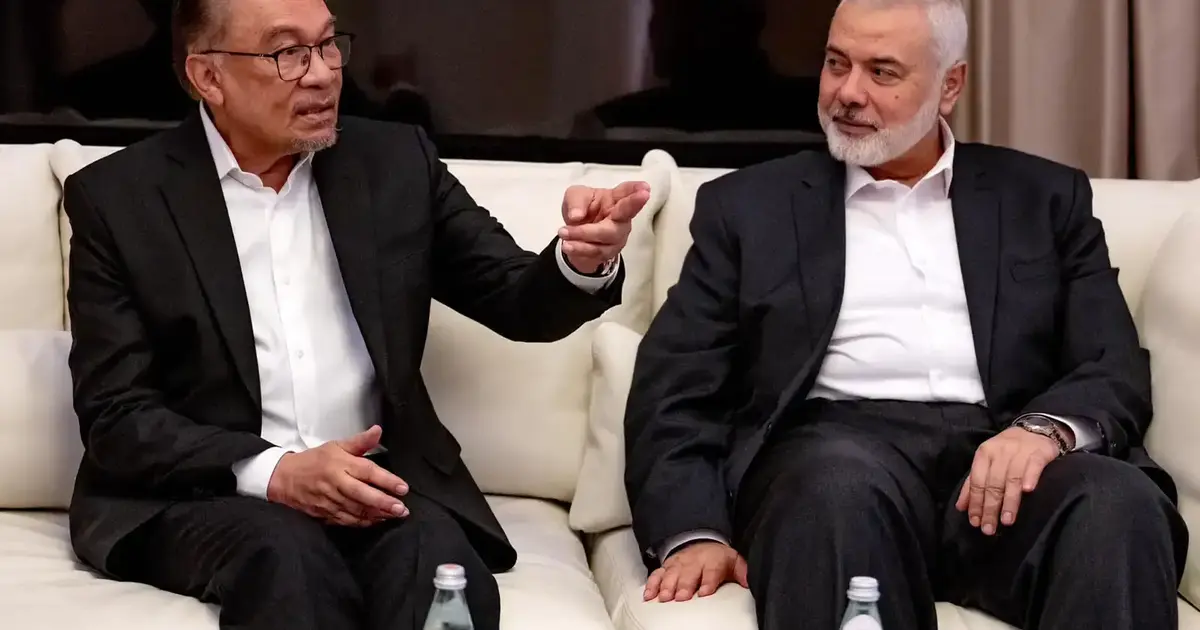
Prime Minister Anwar Ibrahim has categorically refuted suggestions that Malaysia served as a training ground for members of Hamas, describing such allegations as baseless and without factual foundation. The denial comes amid international scrutiny of Malaysia's diplomatic relationships and security posture in the region.
The claims, which surfaced in discussions about counterterrorism cooperation and regional security matters, prompted Anwar to issue a direct response addressing the accusation. The Prime Minister's swift rebuttal underscores his administration's sensitivity to allegations that could complicate Malaysia's standing with international partners, particularly Western nations concerned about extremist activities.
Anwar has also disclosed that he personally informed US President Donald Trump about a previous meeting with a Hamas leader. This revelation appears designed to demonstrate transparency in Malaysia's diplomatic engagements and to clarify the context of any interaction between Malaysian officials and Hamas representatives. The disclosure to Trump suggests an effort to preempt potential concerns about Malaysia's international relationships and to place such meetings within a broader diplomatic framework.
The timing of these clarifications reflects broader geopolitical sensitivities surrounding Palestine-Israel issues in the region. Malaysia has historically maintained a principled stance on Palestinian rights, and Anwar's administration has continued this tradition while simultaneously seeking to balance ties with Western powers who maintain varying positions on Hamas designations and engagement protocols.
For Malaysian policymakers, the distinction between diplomatic dialogue and organizational support remains crucial. Officials have long argued that engagement with various Palestinian factions represents standard diplomatic practice rather than endorsement of particular ideologies or methods. Anwar's comments appear aimed at reinforcing this distinction to international audiences who may conflate conversation with collaboration.
The allegation itself raises questions about the sources of such claims and their motivations. Unverified accusations regarding military training or organizational support can significantly damage a nation's international reputation and complicate bilateral relationships. Malaysia's immediate and forceful denial suggests confidence in its security apparatus and internal monitoring systems, as well as awareness of how such narratives can spread in international discourse.
From a regional perspective, these developments highlight the complex position Southeast Asian nations occupy in navigating Middle Eastern conflicts. Malaysia, as a Muslim-majority democracy with significant diplomatic reach, faces particular scrutiny regarding its relationships with various actors in the Palestinian-Israeli context. The Prime Minister's statements attempt to position Malaysia as a responsible actor engaged in diplomatic dialogue rather than as a staging ground for organizational activities.
The reference to Trump's awareness of Anwar's Hamas meeting demonstrates an understanding of the importance of US-Malaysia relations and American sensitivities regarding Hamas, which Washington designates as a terrorist organization. By ensuring the US President knew of such engagement, Anwar appears to be signalling that Malaysia conducts its diplomatic affairs with full transparency and within parameters acceptable to major international partners.
This episode also reflects broader patterns in contemporary international relations where historical diplomatic meetings between leaders and representatives of various political movements can become controversial depending on geopolitical circumstances and shifting international alignments. What might have been routine diplomatic contact in one era can be weaponized as scandal in another, particularly when relationships between powers become strained.
For Malaysian civil society and the broader public, Anwar's direct refutation may either provide reassurance or invite further scrutiny depending on one's perspective on the administration's foreign policy. Critics may question whether Malaysia should engage with Hamas at all, while supporters may view such engagement as consistent with Malaysia's anti-colonial and pro-Palestinian traditions.
The denial carries implications for Malaysia's ongoing negotiations and relationships with various international bodies. Organizations concerned with counterterrorism financing and extremism monitoring may increase scrutiny of Malaysian institutions if allegations persist, potentially affecting trade, investment flows, and security cooperation agreements.
Looking forward, these statements suggest that Anwar's government intends to address such allegations through transparent communication with international partners rather than through silence or evasion. This approach may prove effective in maintaining Malaysia's international standing while continuing to voice support for Palestinian causes within the parameters of diplomatic acceptability.
The episode ultimately illustrates the delicate balance required of Malaysia's leadership in articulating foreign policy positions that reflect the nation's values and democratic commitments while simultaneously maintaining pragmatic relationships with major global powers. Anwar's forceful denial and clarifications represent an attempt to navigate this terrain carefully.

