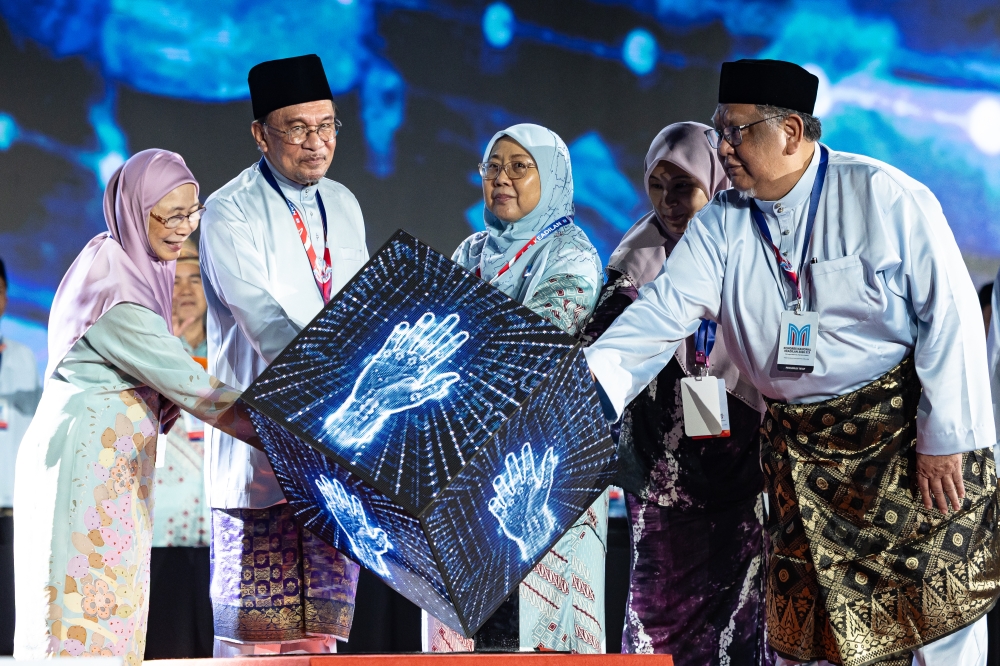
Prime Minister Datuk Seri Anwar Ibrahim has pushed back against allegations that his administration has neglected certain regions, arguing instead that the Madani government has substantially increased development spending in Sabah, Sarawak, Kedah and Kelantan. The comments, made in Melaka on August 15, represent part of a broader political strategy to demonstrate the administration's commitment to equitable regional development and counter narratives that suggest preferential treatment of certain areas.
The prime minister's remarks address recurring criticism from opposition figures and state-level politicians who have questioned whether all regions receive fair shares of the federal budget. Such concerns carry particular weight in Malaysia's federal system, where the distribution of development funds and allocations has long been a source of political tension between Putrajaya and various state governments. The debate also intersects with broader questions about whether the Madani administration's governance philosophy translates into concrete fiscal outcomes that benefit all communities.
For Sabah and Sarawak specifically, the commitment to increased allocations holds significant political importance. Both East Malaysian states have historically advocated for greater autonomy and resource control under the Malaysia Agreement framework. Demonstrating tangible federal investment in these states becomes crucial for the Madani government in maintaining political stability and securing continued support from coalition partners and East Malaysian voters. The region's geographic distance from peninsular Malaysia and distinct developmental challenges require sustained federal engagement and financial support.
The situation in Kedah and Kelantan reflects different but equally complex political dynamics. Kedah, governed by an opposition administration, represents territory where the federal government must balance fiscal responsibility with political pragmatism. Demonstrating fair treatment of opposition-ruled states signals that the Madani government prioritizes development over partisan advantage, a significant distinction from earlier administrations that sometimes weaponized budget allocation. Kelantan's inclusion in the spending narrative further reinforces this message, particularly given its longstanding status as an opposition stronghold.
Anwar's defence occurs within the context of Malaysia's economic recovery priorities. Since assuming office, the Madani administration has navigated multiple challenges including inflation management, employment concerns, and infrastructure backlog across the country. Regional governments and local communities increasingly demand evidence that economic growth translates into improved services, better infrastructure, and expanded opportunities. Budget allocation announcements therefore function as tangible markers of governmental commitment to development agendas.
The timing of these comments in Melaka carries additional symbolic weight, as the state represents a microcosm of Malaysia's political diversity. Melaka's recent political history includes shifts in government control and coalition dynamics, making it a barometer for assessing how the Madani administration manages relationships with states of varying political complexions. Anwar's willingness to address allocation concerns directly in such venues suggests recognition that regional development remains a potent political issue requiring active communication rather than passive assumption of public trust.
Internally, increased allocations to specific states also reflect the Madani government's policy priorities and strategic interests. Infrastructure development in Sabah and Sarawak aligns with longer-term economic diversification objectives and regional integration plans. Investments in Kedah and Kelantan address pressing needs in education, healthcare, and industrial development while simultaneously strengthening federal-state relationships. These allocations thus serve dual purposes: immediate electoral and political objectives alongside genuine developmental considerations.
The opposition's allegations appear part of a broader opposition strategy to portray the Madani government as inconsistent or inequitable. By countering these claims with specific budget data, Anwar seeks to establish factual ground upon which political debate occurs. However, this approach requires sustained documentary evidence and transparent reporting mechanisms that allow independent verification of spending claims. The effectiveness of such defences ultimately depends on public perception of governmental credibility and track record.
For Malaysian and Southeast Asian observers, this debate illuminates the ongoing tension between centralised fiscal authority and regional autonomy within federal systems. How federal governments allocate resources shapes political stability, economic development trajectories, and intercommunal relationships. The Madani government's approach—emphasizing increased allocations across traditionally underserved or opposition-governed regions—represents one response to managing these tensions, though whether such measures prove sufficient depends on actual implementation quality and tangible outcomes experienced by local communities.
Moving forward, the Madani administration faces pressure to translate rhetorical commitments to increased regional allocations into visible, measurable improvements in services and infrastructure. Public perception of fairness depends less on budget announcements and more on everyday experiences with governance quality. As Malaysia approaches future electoral cycles, the government's ability to demonstrate equitable resource distribution across all regions will significantly influence both state and federal political dynamics, particularly in states where coalition unity remains fragile or opposition presence remains strong.

