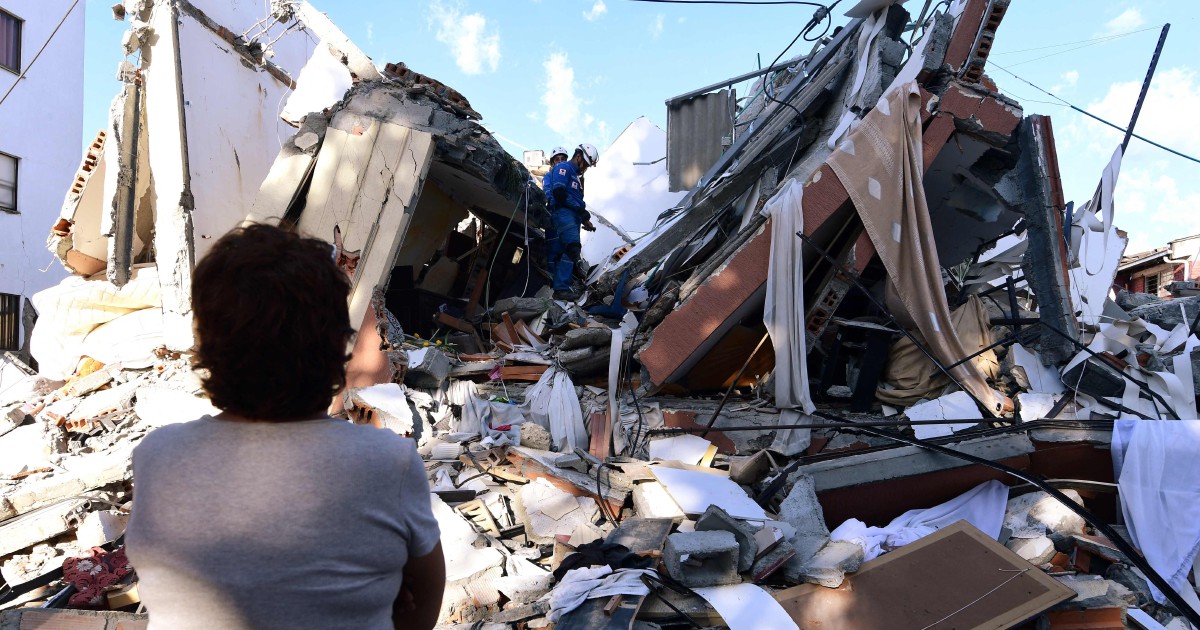
Prime Minister Datuk Seri Anwar Ibrahim has extended his sympathies to the families of those who lost their lives in the catastrophic earthquake that devastated parts of western Colombia. The seismic event, which struck the region yesterday, has left a significant toll on the affected communities, prompting expressions of support from world leaders, including Malaysia's top political figure.
The gesture reflects Malaysia's consistent diplomatic approach of offering humanitarian solidarity during times of natural disaster and crisis. As a Southeast Asian nation frequently exposed to seismic activity and other geological hazards, Malaysia has historically understood the profound disruption and suffering that major earthquakes inflict on populations and infrastructure. The Prime Minister's swift response underscores the importance Malaysia places on international relations and human compassion during emergencies.
Columbia, located in the northwestern part of South America, sits within the Pacific Ring of Fire—a tectonically active zone responsible for the majority of the world's earthquakes and volcanic eruptions. The nation experiences regular seismic activity due to its position along the boundary between the South American, Caribbean, and Nazca tectonic plates. Western Colombia, in particular, has historically been vulnerable to significant tremors, making disaster preparedness and international cooperation critical components of the country's emergency response infrastructure.
The timing of this latest seismic event comes amid ongoing challenges faced by developing nations in strengthening their disaster resilience mechanisms. For Colombia, a country that has experienced numerous natural disasters in recent decades, the capacity to respond swiftly to earthquakes depends heavily on international support, technical expertise, and humanitarian assistance networks. Malaysia's expression of condolences serves as a reminder of the interdependence between nations when facing natural calamities.
From a Southeast Asian perspective, such disasters carry important lessons for the region's own preparedness efforts. Nations across ASEAN face similar geological and meteorological challenges, from the Philippines and Indonesia's exposure to earthquakes and typhoons to Thailand and Malaysia's vulnerability to flooding. The cooperation frameworks established through regional and international organizations help coordinate disaster response and share best practices among member states, potentially saving lives and minimizing economic damage.
The earthquake in Colombia also highlights the importance of international support systems that extend beyond immediate relief efforts. Rehabilitation of critical infrastructure, psychological support for survivors, and long-term reconstruction planning require sustained attention from the global community. Malaysia, through its diplomatic channels and involvement in international humanitarian frameworks, continues to engage with affected nations to provide whatever assistance may be required.
Disasters of this magnitude often test the resilience of both the affected nation and its international partnerships. Colombia's capacity to recover will depend partly on rapid mobilization of resources, effective coordination among rescue and relief agencies, and support from countries with relevant expertise in earthquake recovery. Malaysia's expression of condolences should ideally be accompanied by concrete measures, whether through direct humanitarian aid, technical support, or contributions to international relief mechanisms already operating in the region.
The broader context reveals how natural disasters transcend national borders in their human and economic implications. While Colombia faces immediate challenges in search and rescue operations and medical response, the longer-term implications for the nation's economy, social cohesion, and development trajectory are substantial. For smaller nations or those with limited resources, such events can derail years of progress, making international solidarity not merely a matter of diplomatic courtesy but a practical necessity.
As Malaysia continues to deepen its engagement with Latin American nations through trade partnerships and diplomatic relations, incidents like the Colombia earthquake reinforce the value of maintaining robust international networks. The gestures of support extended by leaders like Datuk Seri Anwar Ibrahim help maintain the goodwill and mutual respect upon which long-term bilateral relationships are built, particularly important as Malaysia seeks to expand its global footprint and partnerships.
The immediate priority for Colombian authorities remains locating survivors and providing emergency medical care to the injured. Regional and international organizations, backed by expressions of support from countries worldwide, are coordinating response efforts to ensure that relief reaches those most in need. Malaysia's role in this context, while symbolic in immediate terms, contributes to the global collective response that demonstrates humanity's capacity to stand together during crisis.

