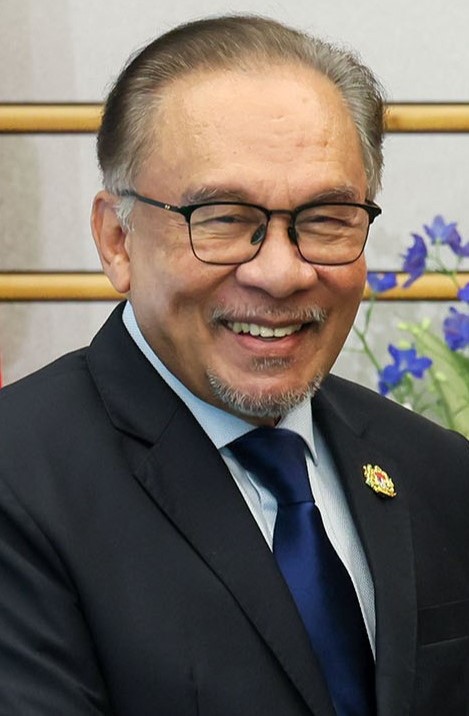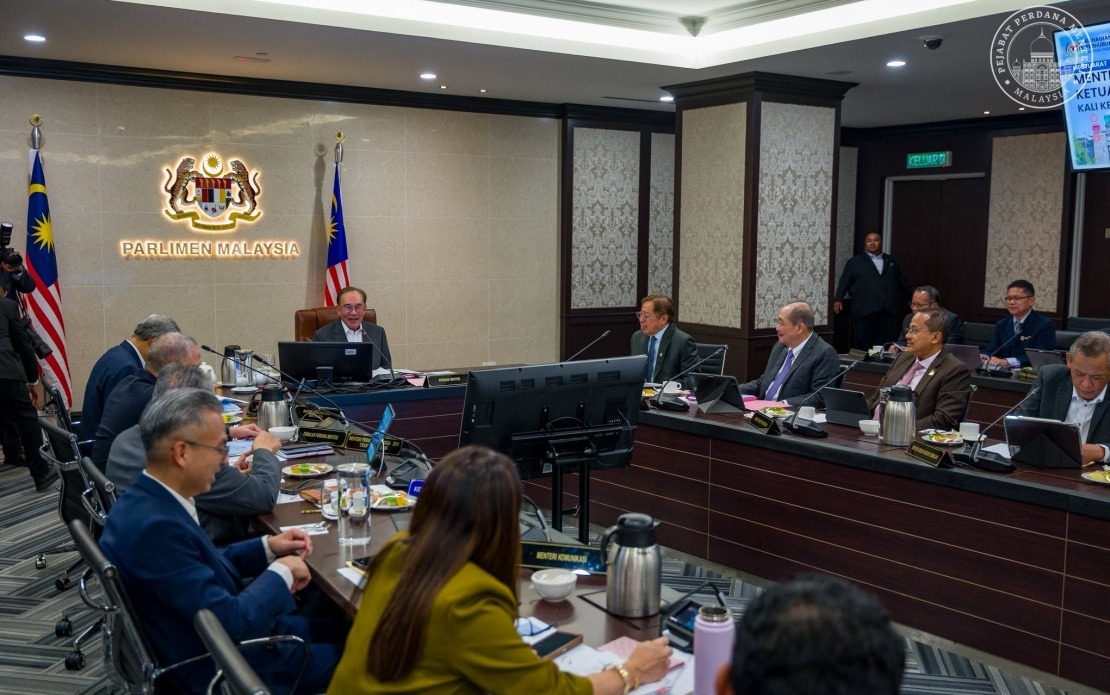
Prime Minister Datuk Seri Anwar Ibrahim brought together Malaysia's top state leadership at the Parliament Building to chart a coordinated recovery strategy for the nation's economy, marking the 149th convening of the Menteris Besar and Chief Ministers forum. The gathering underscored the federal government's commitment to navigating mounting pressures stemming from geopolitical tensions in West Asia, which have rippled across global markets and demand swift domestic action.
The escalating conflicts in the Middle East have created a cascade of economic headwinds affecting Malaysia's trade-dependent economy. Anwar's decision to place economic revival at the centre of the agenda reflects recognition that state-level coordination is essential for implementing national strategies effectively. The forum serves as a critical platform where federal and state administrations can align on macroeconomic policy, investment attraction, and resource allocation—issues that increasingly require unified action across Malaysia's federated system.
Beyond immediate economic concerns, the meeting addressed a longer-term environmental challenge: the anticipated El Niño phenomenon. State leaders discussed how this climate pattern could cascade through multiple critical sectors simultaneously. Water supply infrastructure faces potential strain as rainfall patterns shift, a particular concern in peninsular regions that rely on monsoon seasons. The agricultural sector, which remains foundational to rural livelihoods across states like Kedah, Perak, and Terengganu, requires contingency planning for altered growing conditions and reduced precipitation. Food security—a strategic priority given Malaysia's dependency on imports for essential commodities—emerged as a focus area, with state officials tasked with monitoring supply chains and price stability.
Electrical demand surges from air-conditioning loads during extreme heat episodes present risks to grid stability, especially during peak afternoon hours when generating capacity reaches maximum utilisation. The threat of haze, often accompanying drought conditions and transboundary smoke from regional burning, poses public health challenges that state governments must prepare for through air quality monitoring and respiratory health programmes. Anwar's emphasis on El Niño preparedness signals that the administration recognises climate-related disruptions as systemic risks requiring preventative investment rather than reactive crisis management.
The Prime Minister stressed that policy implementation across all levels must adopt an integrated approach, ensuring fragmented bureaucratic silos do not undermine national objectives. This emphasis on efficiency and coordination addresses a persistent challenge in Malaysia's federal structure: the tendency for federal and state initiatives to operate independently or, worse, at cross-purposes. By framing integration as a priority, Anwar signalled expectations that state governments align development projects, regulatory frameworks, and resource deployment with central government strategies. A people-centric emphasis—ensuring citizens experience tangible benefits rather than merely witnessing policy announcements—reflects growing public expectations for delivery and accountability.
Attracting quality investments remains a cornerstone of Malaysia's economic strategy, particularly as competition intensifies within Southeast Asia for foreign direct investment. Singapore's aggressive tech hub positioning and Vietnam's manufacturing prowess create pressure for Malaysia to differentiate through human capital development, infrastructure quality, and regulatory predictability. State governments control land use, licensing, and local investment facilitation, making their alignment crucial for creating a seamless investment environment. Anwar's push for state cooperation on this front acknowledges that investors increasingly evaluate countries holistically rather than assessing federal policies in isolation.
The safeguarding of Malaysian wellbeing emerged as an implicit acknowledgement that economic policy cannot succeed if divorced from social outcomes. Rising living costs, employment quality concerns, and regional inequality have generated political pressure demanding that growth translate into household prosperity. State leaders, standing closer to constituent concerns than federal ministers, carry responsibility for communicating these pressures upward and implementing programmes addressing local employment, housing affordability, and service quality.
Anwar's invocation of togetherness and consensus reflects a deliberate political positioning emphasising collaborative federalism. Following periods of centre-state tension under previous administrations, this messaging aims to rebuild institutional trust and demonstrate that the current government operates inclusively regardless of which political coalitions control individual states. Such symbolic commitment to unity carries practical value: state governments controlled by opposition parties are more likely to support federal initiatives if they perceive genuine partnership rather than centralised dominance.
The comprehensive scope of the 149th meeting—spanning geopolitical economic shocks, climate resilience, governance efficiency, and investment competitiveness—demonstrates how interconnected modern governance challenges have become. State leaders departed with responsibility for operationalising these commitments within their jurisdictions, whether through restructuring agricultural extension services, accelerating water infrastructure upgrades, or streamlining investment approval processes. The true test of the meeting's value will emerge not in the meeting room's diplomatic language but in measurable implementation across Malaysia's diverse state economies.