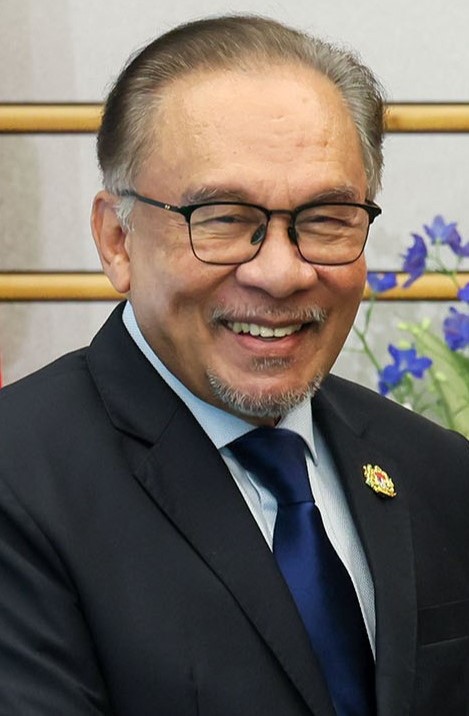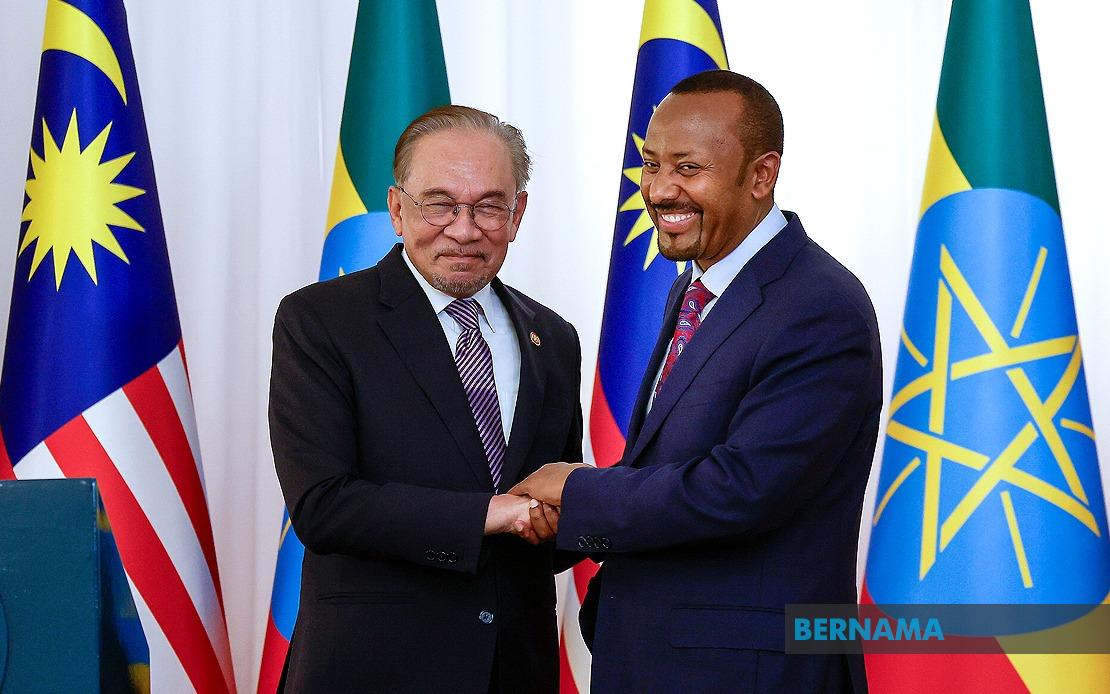
Prime Minister Datuk Seri Anwar Ibrahim has sent his congratulations to Ethiopian Prime Minister Abiy Ahmed Ali and the Prosperity Party following their success in Ethiopia's general election, signalling Malaysia's intention to strengthen bilateral relations with one of Africa's most influential nations. In a public statement posted on social media, Anwar reflected on his groundbreaking visit to Addis Ababa last year, which marked the first time a Malaysian prime minister had undertaken an official trip to the Ethiopian capital. The visit represented a significant moment in Malaysia's diplomatic outreach to Africa, underscoring the Putrajaya administration's pivot towards engaging major players on the continent beyond traditional trade relationships.
Anwar's recognition of Abiy's electoral success comes as the Ethiopian leader consolidates power following a competitive poll that demonstrated the country's commitment to democratic processes despite ongoing regional tensions. The Prosperity Party, which Abiy leads, campaigned on a platform of continued economic reform and national stability, themes that resonated with voters seeking predictability after years of internal conflict. The victory provides Abiy with a fresh mandate to implement his vision for Ethiopia's development, a trajectory that Malaysia has positioned itself to support through various cooperative frameworks.
Central to Anwar's message was his emphasis on the philosophical alignment between the two leaders regarding global dynamics and the strategic interests of developing nations. In his statement, the Prime Minister noted that his discussions with Abiy revealed a shared understanding of how countries in the Global South can leverage cooperation to advance their mutual interests more effectively. This framing reflects a broader Malaysian strategy to position itself as a bridge between Asian and African nations, capitalizing on common experiences of economic development and the challenges posed by global power imbalances. The notion of working as equals, rather than from positions of subordination to traditional power centres, carries particular resonance in diplomatic circles where many nations remain wary of contemporary forms of economic dependence.
The significance of Anwar's characterization of Ethiopia as an important partner in Malaysia's African engagement cannot be overstated. Ethiopia's role as the seat of the African Union headquarters grants it symbolic and practical importance in continental affairs, making it an invaluable connection point for any nation seeking to deepen its influence and partnerships across Africa. For Malaysia, which has historically concentrated its international relations on Asia and the Middle East, the cultivation of ties with Ethiopia represents a strategic diversification of diplomatic and economic interests. This shift aligns with broader regional interests shared by other Southeast Asian economies seeking to reduce dependency on traditional trading partners and explore emerging markets in Africa.
Anwar's reference to initiatives begun during his 2024 visit suggests that substantive groundwork has already been laid for the bilateral relationship to mature beyond ceremonial diplomatic exchanges. While the specifics of these initiatives remain publicly undetailed, the Malaysian government has signalled interest in areas ranging from trade and investment to people-to-people cultural exchanges. The prospect of carrying forward these joint endeavours under Abiy's renewed government leadership creates continuity in diplomatic efforts and provides both nations with clear targets for collaboration. Ethiopia's vast market potential and resource wealth, combined with Malaysia's technical expertise in certain sectors, present complementary opportunities for both sides.
The timing of Anwar's congratulatory message carries additional weight given Ethiopia's geopolitical importance in the Horn of Africa region. The country's internal stability, bolstered by Abiy's electoral mandate, has implications for regional security and economic integration that extend well beyond its borders. Malaysia, as a nation with interests in regional stability globally, has strategic reasons to support leaders and governments that promote peace and development. By publicly affirming Abiy's victory, Anwar demonstrates Malaysia's confidence in the Ethiopian government's direction and signals to other African nations that Malaysia intends to be a reliable and principled partner in the coming years.
The emphasis on Malaysia's role in Africa also reflects evolving geopolitical calculations in Southeast Asia, where regional powers increasingly recognize that global influence requires engagement beyond traditional spheres. As Asian economies mature and competition for resources and markets intensifies, diversification into African partnerships offers both economic and strategic hedging benefits. Ethiopia, in particular, offers access to a rapidly growing market of over 120 million people, positioning it as a gateway to broader continental opportunities. Anwar's diplomatic outreach therefore serves multiple purposes simultaneously: strengthening bilateral ties, advancing Malaysia's commercial interests, and enhancing the country's standing as a constructive global actor.
The manner in which Anwar framed the relationship also speaks to his broader vision for Malaysia's role in global affairs, emphasizing dialogue, respect, and mutual benefit rather than traditional power dynamics. This approach resonates with the principles of the Non-Aligned Movement, to which Malaysia has historical ties and which continues to shape the country's foreign policy philosophy. By positioning Malaysia as a nation that seeks relationships based on genuine partnership rather than hierarchical arrangements, Anwar appeals to fellow developing nations and reinforces Malaysia's credentials as an honest broker in international affairs.
Looking forward, the consolidation of Malaysian-Ethiopian relations under Abiy's fresh government mandate opens avenues for expanded cooperation that could yield tangible benefits for both nations. The dialogue platform established through Anwar's visit provides institutional mechanisms through which specific projects and partnerships can be negotiated and implemented. As Africa increasingly becomes a theatre for renewed great power competition, Malaysia's proactive engagement with significant African states positions the country favourably for identifying and capturing emerging opportunities. For Ethiopia, Malaysia's presence and support offer diversification of international partnerships and access to Asian expertise and markets, particularly valuable as the country navigates complex regional dynamics and seeks to integrate more deeply into global economic structures.