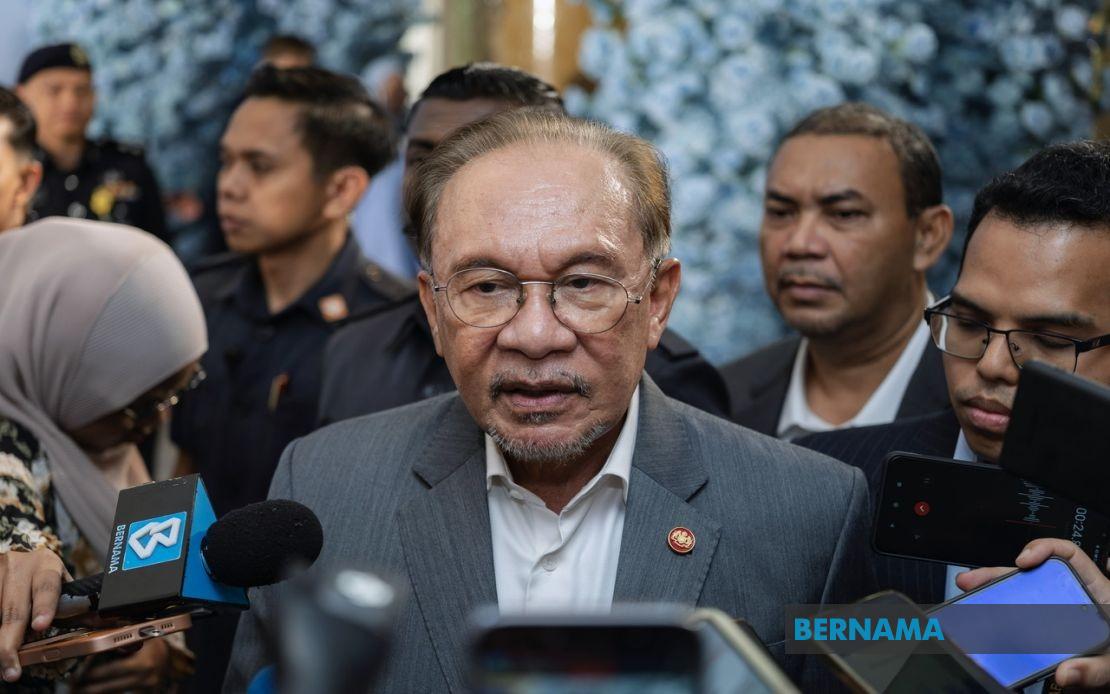
Prime Minister Datuk Seri Anwar Ibrahim acknowledged on Tuesday that he has not yet been briefed on the circumstances leading to the recent departure of four Melaka DAP state assemblymen from the state administration. Speaking to journalists in Kuala Lumpur, Anwar, who chairs Pakatan Harapan, indicated that the coalition's senior leadership intends to address the matter promptly, though he provided no specific timeline for when this intervention would occur.
The withdrawal stems from a significant constitutional development in Melaka. On the previous day, the State Legislative Assembly approved amendments to the state constitution that would allow for the appointment of nominated assemblymen—a mechanism that bypasses the electoral process. This structural change prompted the four DAP representatives to immediately tender their resignations from the state government, signalling their opposition to what they viewed as a threat to democratic principles in the state administration.
The four assemblymen who stepped down are Allex Seah Shoo Chin, representing Kesidang; Low Chee Leong from Kota Laksamana; Leng Chau Yen representing Banda Hilir; and Kerk Chee Yee from Ayer Keroh. All four held seats under the Pakatan Harapan banner, making their collective departure particularly significant for the coalition's standing in Melaka. Their resignation reduces DAP's representation in the state government and raises broader questions about the coalition's cohesion in one of Malaysia's key southern states.
The constitutional amendment has emerged as a contentious issue within Melaka's political landscape, with the DAP assemblymen viewing the introduction of nominated seats as fundamentally undermining the democratic mandate voters had bestowed through general elections. By allowing appointments rather than relying solely on electoral outcomes, critics contend the mechanism diminishes voter influence and concentrates power among those controlling the nomination process. This interpretation explains the swift and decisive response from the four DAP representatives, who chose principle over political convenience.
Interestingly, Prime Minister Anwar had previously appealed to Melaka DAP to reconsider their withdrawal decision. His earlier statement urged the party to prioritise state development and public welfare over internal disputes, suggesting he viewed the resignation as counterproductive to governance objectives. However, the DAP assemblymen evidently determined that their political integrity and commitment to democratic values took precedence over maintaining their positions in the administration, even in the face of the Prime Minister's persuasion.
This episode reflects broader tensions within Malaysia's political coalitions regarding the balance between pragmatic governance and principled opposition to measures deemed democratically problematic. The Melaka situation illustrates how constitutional amendments and institutional changes can trigger fundamental disagreements among coalition partners, particularly when they perceive threats to electoral legitimacy. Such divisions, if not carefully managed, risk weakening coalition effectiveness across multiple policy areas.
For Pakatan Harapan, the Melaka developments carry strategic implications. The coalition has positioned itself as the defender of democratic institutions and electoral integrity, key narratives in Malaysian politics following years of governance controversies. When coalition members feel compelled to resign over democratic concerns, it presents an opportunity for the leadership to reaffirm commitment to these values while simultaneously working to prevent further defections and maintain coalition stability. Anwar's pending briefing and subsequent response will therefore be closely watched as indicators of how the coalition intends to navigate this challenge.
The appointment mechanism introduced through the constitutional amendment warrants closer examination within Malaysia's broader context. While states have constitutional autonomy to structure their legislative arrangements, mechanisms that circumvent electoral processes have historically generated controversy among political parties and civil society organisations. The question of whether nominated assemblymen represent genuine institutional innovation or democratic regression depends largely on one's political perspective and priorities regarding representative governance.
Melaka holds particular significance within Malaysian politics as a strategically important state with considerable historical weight. The state's political dynamics influence broader national discourse, and developments there often signal trends that ripple across other state governments. The DAP's decision to withdraw their assemblymen therefore transcends local Melaka politics, serving as a test case for how coalition partners address governance and democratic concerns when they fundamentally conflict.
Moving forward, observers anticipate that Anwar's briefing and Pakatan Harapan's formal response will address several critical questions: whether the coalition will collectively challenge the constitutional amendments, what support the departing assemblymen will receive from their party and the coalition, and how extensively this episode might affect coalition unity in Melaka and beyond. The leadership's handling of this situation will communicate volumes about the coalition's capacity to balance internal disagreements with maintaining political viability in key states.
The unfolding situation also highlights the importance of pre-legislative coalition consultation on constitutional matters. Had the proposed amendments been thoroughly discussed among coalition partners before reaching the assembly floor, the subsequent resignations might potentially have been prevented or mitigated. This experience may prompt coalition leadership to establish more robust internal mechanisms for reviewing significant legislative proposals before implementation.
For Malaysian political observers, the Melaka DAP withdrawals represent a significant moment in evaluating Pakatan Harapan's commitment to democratic principles when those principles conflict with political convenience. How Anwar and the coalition leadership respond in the coming days will reveal whether such commitments translate into action when tested by circumstances that demand difficult choices and potential political costs.

