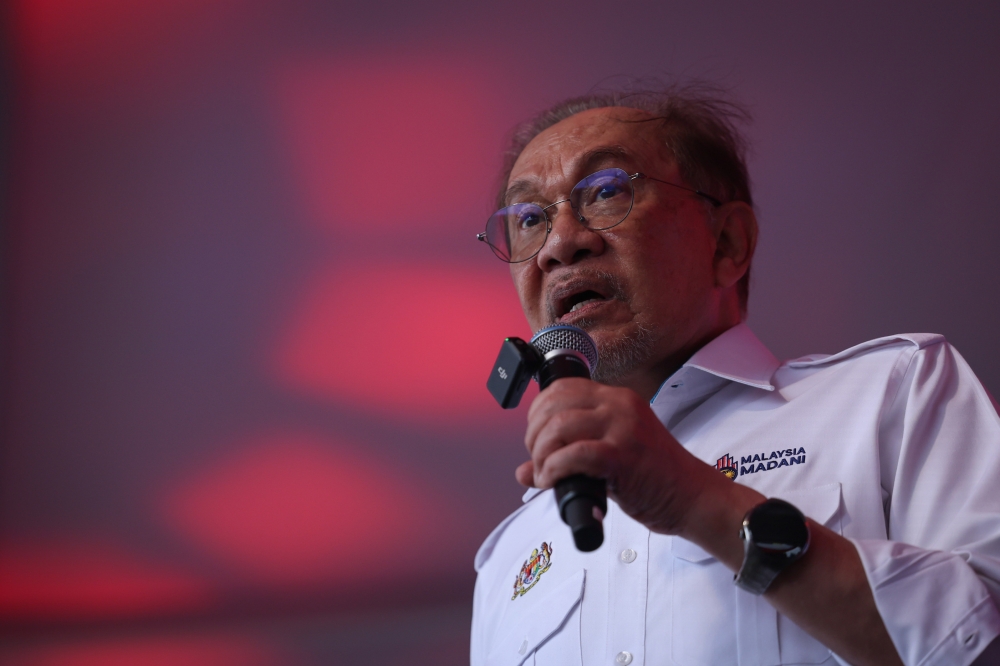
Prime Minister Datuk Seri Anwar Ibrahim launched a sharp rebuke at the opposition Perikatan Nasional on August 11, accusing the coalition of neglecting the plight of Tabung Haji depositors by staging a walkout during parliamentary proceedings on the religious fund's Royal Commission of Inquiry. The prime minister's remarks underscored deepening tensions between the government and the opposition over how the crisis affecting millions of Muslim pilgrims' savings should be handled and investigated.
The departure of opposition legislators from the Dewan Rakyat debate represented a significant political moment, with the Perikatan members apparently choosing confrontation over engagement with the government's inquiry mechanism into the troubled pilgrimage fund. Anwar characterised this decision as a dereliction of duty to the ordinary Malaysians whose life savings have been tied up in Tabung Haji, suggesting that the opposition was more interested in scoring political points than pursuing genuine accountability for affected depositors.
Tabung Haji, the state-owned Islamic pilgrimage fund that has operated since 1963, has faced mounting scrutiny regarding the security of deposits entrusted to it by millions of Malaysians saving for the hajj pilgrimage to Mecca. The establishment of a Royal Commission of Inquiry represents one of the most significant investigations into the institution's operations in recent years, with expectations that the probe will uncover systemic weaknesses and potentially recommend structural reforms.
The timing of the opposition boycott is particularly significant given the ongoing public anxiety surrounding depositor protections and fund management practices. For many Malaysian Muslim households, Tabung Haji represents not merely a savings vehicle but a fundamental component of their religious and financial planning, often accumulated over years or decades of disciplined saving. The controversy surrounding the fund has therefore resonated deeply across Malaysian society regardless of political affiliation.
Anwar's criticism reflected the government's position that the RCI process demonstrates its commitment to transparency and accountability. The prime minister appeared to be positioning the inquiry as a serious mechanism for addressing the legitimate grievances of affected depositors, contrasting this with what he characterised as the opposition's obstructionist tactics. This framing presents a strategic narrative in which the ruling coalition portrays itself as the custodian of institutional reform while the opposition is cast as merely disruptive.
The opposition's walkout, however, may reflect deeper concerns within the Perikatan coalition about the direction or scope of the Royal Commission's investigation. Opposition parties might harbour suspicions about the inquiry's independence or fear that the process could be weaponised for political advantage rather than genuine reform. Such concerns, whether justified or not, would explain their decision to withdraw participation rather than engage constructively with the parliamentary debate.
For Malaysian depositors, this political theatre underscores the precarious position of ordinary citizens caught between competing political narratives. Whether the RCI ultimately delivers meaningful reforms or remains a largely symbolic exercise, the fundamental challenge of restoring confidence in Tabung Haji remains unresolved. Depositors need concrete assurances about the safety of their accumulated savings and clear information about any reforms that might affect their holdings or future contributions.
The dispute also highlights broader questions about the governance of Islamic financial institutions in Malaysia and the balance between religious requirements and prudent financial management. Tabung Haji's mandate to facilitate hajj participation must be reconciled with fiduciary responsibilities to protect depositor funds—a tension that has apparently become more acute in recent years as the fund has faced investment difficulties and operational challenges.
Anwar's rhetoric regarding the opposition's abandonment of depositors carries particular weight given his own long history of championing financial accountability and institutional reform. By positioning the RCI as the government's vehicle for delivering justice to affected Malaysians, the prime minister attempts to seize the moral high ground in this debate while simultaneously undermining opposition credibility on economic governance issues—a territory where the coalition has frequently faced criticism.
Looking forward, the effectiveness of the Royal Commission of Inquiry will ultimately determine whether Anwar's criticism of the opposition gains substantive traction. If the inquiry produces thorough findings and recommendations that demonstrably improve depositor protections and fund transparency, the government's commitment to the process will be vindicated. Conversely, if the RCI appears to operate narrowly or fails to address root causes of the fund's difficulties, both the government and opposition may face continued scrutiny from affected Malaysians demanding genuine remedies rather than political posturing.
The walkout episode also serves as a reminder that while Tabung Haji affects millions of ordinary Malaysians, the institution has become increasingly politicised. This transformation from administrative matter to political battleground complicates efforts to develop solutions that command broad consensus and public confidence. As the RCI proceeds with its investigations, both the government and opposition will need to balance their political interests against the pressing need to restore faith in an institution upon which millions depend.

