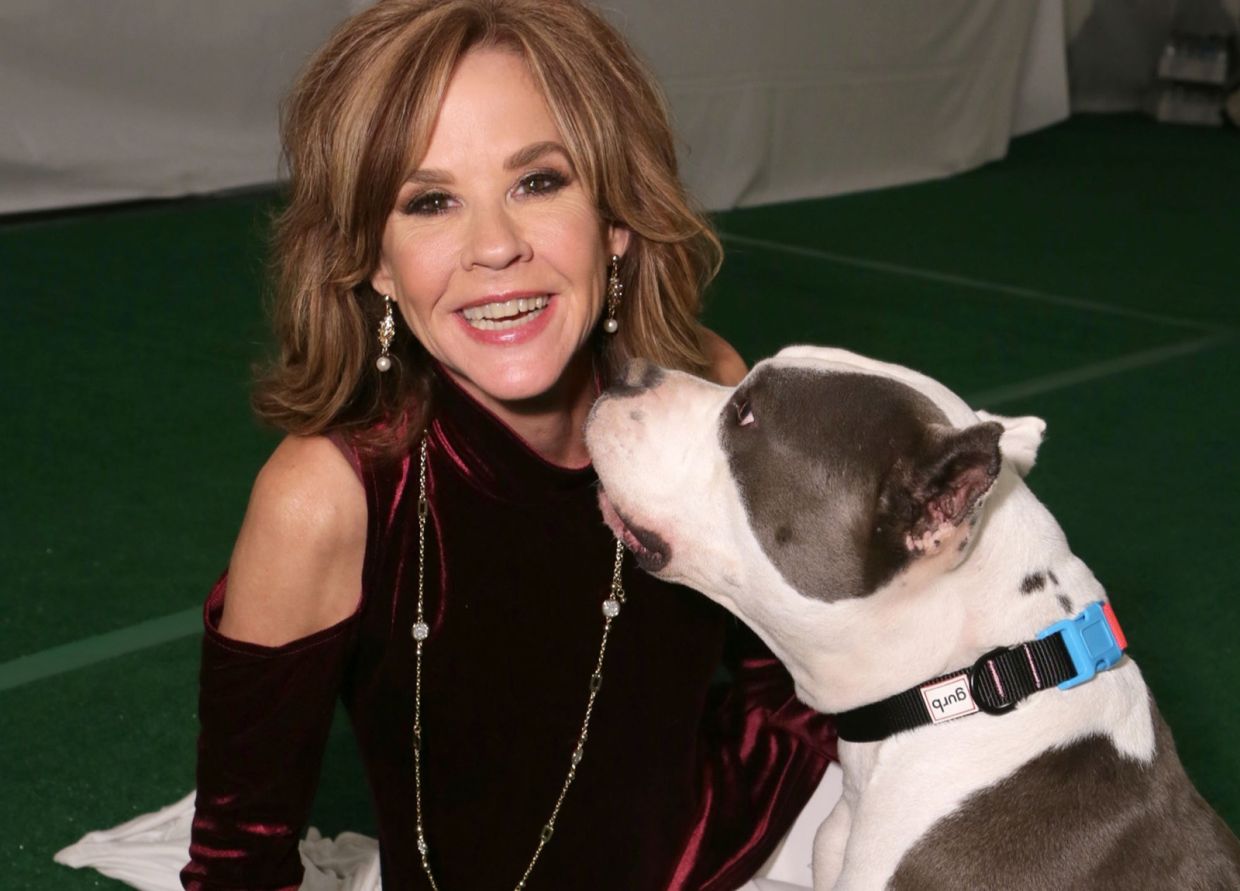
Authorities in Los Angeles County conducted a compliance inspection at the Southern California residence of actress Linda Blair on Friday afternoon following concerns about an undocumented rescue dog operation. The joint action involved officers from the Los Angeles County Department of Animal Care and Control (DACC) and the Los Angeles County Department of Regional Planning, who arrived armed with an investigative warrant. The operation centred on allegations that the property harboured more than 100 rescue dogs without the requisite documentation and proper licensing to house such numbers.
The timing of the warrant execution proved particularly challenging, unfolding during extreme heat conditions that authorities noted exceeded 100 degrees Fahrenheit. The dual-agency approach reflected the complexity of animal welfare and zoning compliance issues at stake. According to the DACC statement, the warrant was necessary to "lawfully access the property and verify compliance with County codes," suggesting officials had exhausted other avenues of investigation beforehand.
A critical factor prompting the enforcement action was the expiration of Blair's kennel facility permit in 2023. This lapse in formal authorisation meant that the operation of a large-scale rescue facility on the property potentially violated local regulations governing animal husbandry, zoning, and animal welfare standards. The authorities indicated they had made multiple attempts to contact the 67-year-old actress through various channels, but these efforts proved unsuccessful, ultimately necessitating the unannounced property visit.
Blair's response to the action was notably measured. She cooperated fully with investigating officials and subsequently addressed the matter through social media. In a video posted to Instagram on Friday evening, she characterised the incident as primarily administrative in nature, stating that "the animals are fine" and that the core issue involved "some paperwork that has to be dealt with." She explicitly noted that she has not been accused of any criminal wrongdoing, distinguishing her situation from more serious animal cruelty or neglect cases that occasionally dominate headlines.
The actress emphasised the welfare conditions on her property, pointing out that despite the scorching heat of the day, all animals remained in good health. In a caption accompanying her video statement, Blair highlighted the demanding nature of animal rescue work, suggesting that the operational complexities of managing rescue operations and coordinating placements across multiple sources had created administrative backlogs. She referenced the challenges of maintaining updated communications amid the heavy workload inherent in rescue operations, particularly when animals are sourced from hot desert regions and overcrowded shelters.
Blair's involvement with animal rescue extends well beyond the current incident. In 2003, she established the Linda Blair WorldHeart Foundation, a registered nonprofit organisation dedicated to addressing animal suffering through comprehensive programmes. The foundation's stated mission encompasses rescuing animals from abusive and neglectful situations, providing rehabilitation services, and facilitating rehoming into suitable permanent placements. This two-decade-long commitment to organised animal welfare work distinguishes her operation from casual or amateur rescue efforts.
The incident raises important questions about the intersection of animal welfare advocacy and regulatory compliance in California. While rescue operations fulfil a critical social function by providing alternatives to euthanasia for abandoned and mistreated animals, these operations must function within established legal frameworks designed to ensure adequate care standards. Permit systems exist partly to safeguard animal welfare by setting minimum requirements for space, veterinary care, sanitation, and humane conditions. The apparent administrative lapse at Blair's facility highlights how even well-intentioned rescue operations can face compliance challenges, particularly when rapid expansion or high-volume rescue work creates operational strain.
For Malaysian readers and Southeast Asian observers, the Blair incident illustrates how developed Western jurisdictions approach animal welfare governance. Unlike the more informal rescue ecosystem in much of Southeast Asia, where animal sanctuaries and shelters frequently operate with minimal regulation, California's system requires formal documentation and periodic permit renewal. This regulatory approach reflects different assumptions about state capacity, resource availability, and the relationship between government and civil society in addressing animal welfare concerns. The case demonstrates that even countries with robust regulatory infrastructure sometimes struggle to balance rescue operations' humanitarian goals with bureaucratic oversight requirements.
The incident also underscores broader tensions within the animal rescue movement worldwide. Dedicated advocates often prioritise immediate animal welfare—saving lives, providing medical care, finding homes—over administrative tasks that can seem burdensome or disconnected from frontline rescue work. When paperwork lapses occur, enforcement agencies must decide whether to prioritise punitive measures or collaborative solutions. The DACC's approach in this case appears to have favoured the latter, executing a warrant to verify conditions rather than launching a criminal investigation.
As of the enforcement action, Blair maintained her commitment to rescue operations while acknowledging the administrative requirements that accompany such work. The resolution of the permit situation will likely determine whether her foundation can continue operating at its previous scale or must adjust its operations to align with newly renewed licensing conditions. The incident serves as a cautionary reminder that even established animal welfare organisations operating with pure intentions must maintain diligent attention to regulatory compliance to continue their missions effectively.

