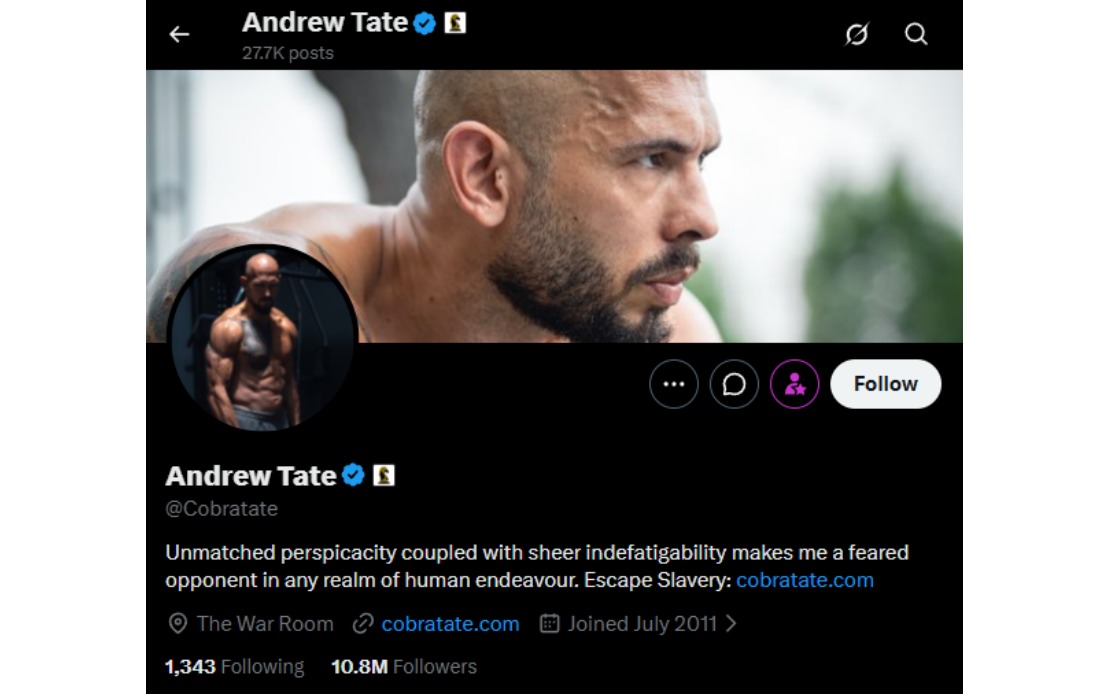
The arrest of social media influencers Andrew and Tristan Tate in Miami represents a significant development in an ongoing international legal saga that has captivated audiences across multiple continents. The US Marshals Service took both brothers into custody on Saturday, July 19, following the filing of new charges by Britain's Crown Prosecution Service. The detention occurred in Florida's Miami area, placing the pair within the American justice system's reach and suggesting coordinated action between British law enforcement and their US counterparts.
The charges brought forward by the UK authorities carry serious implications, encompassing rape and sex-trafficking allegations. These fresh criminal accusations represent an intensification of the legal pressures facing the brothers, who have previously faced scrutiny from both British and Romanian investigations. The involvement of multiple jurisdictions underscores the complexity of their situation and the international dimensions of the allegations under examination. The Crown Prosecution Service's decision to proceed with formal charges indicates that British prosecutors have accumulated sufficient evidence to pursue the matter through the courts.
Andrew Tate, in particular, has become a highly polarizing figure in digital spaces, commanding an enormous following while simultaneously facing widespread condemnation from advocacy groups and policy makers. His online content and public statements have drawn criticism from gender equality advocates and educators concerned about his influence on young audiences, particularly males. The arrest carries symbolic weight beyond the legal proceedings themselves, as it represents governmental action against an individual whose ideology and messaging have sparked considerable debate about online influence, misogyny, and digital culture.
The timing of the arrests, coinciding with the Crown Prosecution Service's announcement of charges, reflects careful coordination between British authorities and American law enforcement agencies. Such transatlantic cooperation demonstrates the increasingly sophisticated mechanisms through which countries pursue suspects and witnesses across borders. The reliance on the US Marshals Service indicates that the American government has determined sufficient legal grounds exist to detain the brothers pending further proceedings, whether those involve extradition, prosecution, or other legal remedies.
For observers in Southeast Asia and Malaysia specifically, this case illustrates the growing interconnectedness of digital spaces and the challenges nations face in regulating online content creators whose influence spans continents. The arrest demonstrates that even individuals with substantial social media followings and financial resources face accountability under law when serious allegations emerge. It also highlights how enforcement agencies increasingly operate across international boundaries to pursue investigations and execute arrests related to crimes with transnational dimensions.
The allegations of sex-trafficking carry particular gravity within contemporary legal frameworks, reflecting heightened global awareness of such crimes and strengthened international commitment to combating human exploitation. British prosecutors' willingness to pursue these charges suggests they have gathered testimony, evidence, or documentation sufficient to support moving forward with formal prosecution. The involvement of US authorities in executing the arrests indicates receptiveness to cooperating with allied nations on matters involving serious criminal allegations.
The brothers' detention in Miami places them within the American legal system, where they will face procedures distinct from British criminal law. The jurisdictional questions surrounding which country will prosecute them, and under what charges, remain to be resolved through legal negotiations and formal processes. The presence of the brothers on US territory may facilitate various procedural steps, including bail hearings, evidence disclosure, and determination of whether charges will be pursued in American courts or whether extradition to the UK will occur.
This case resonates with broader conversations about online celebrity, accountability, and the responsibilities of digital influencers. The platform economy has created individuals with unprecedented reach and influence who operate with minimal institutional oversight or traditional gatekeeping mechanisms. When serious criminal allegations target such figures, the public response often reflects deeper anxieties about digital culture, the concentration of influence in unvetted individuals, and the gap between online personas and personal conduct.
For Malaysia and the region, the arrest underscores the importance of understanding that digital spaces do not exist beyond legal jurisdiction. Content creators and influencers operating in Southeast Asia must recognize that serious allegations can trigger international law enforcement cooperation. The case also highlights the sophisticated nature of modern investigation into transnational crimes, where digital footprints, communications records, and international cooperation between prosecutors create investigative pathways previously unavailable.
The detention of the Tate brothers awaits further legal developments, including bail determinations, formal charging procedures, and potential extradition proceedings. The case will likely continue attracting international attention given the brothers' prominent online presence and the gravity of allegations involved. As the legal process unfolds, questions about jurisdiction, evidence admissibility, and procedural fairness will shape outcomes. The detention represents a pivotal moment in a case with significant implications for discussions about online influence, criminal accountability, and international law enforcement cooperation.

