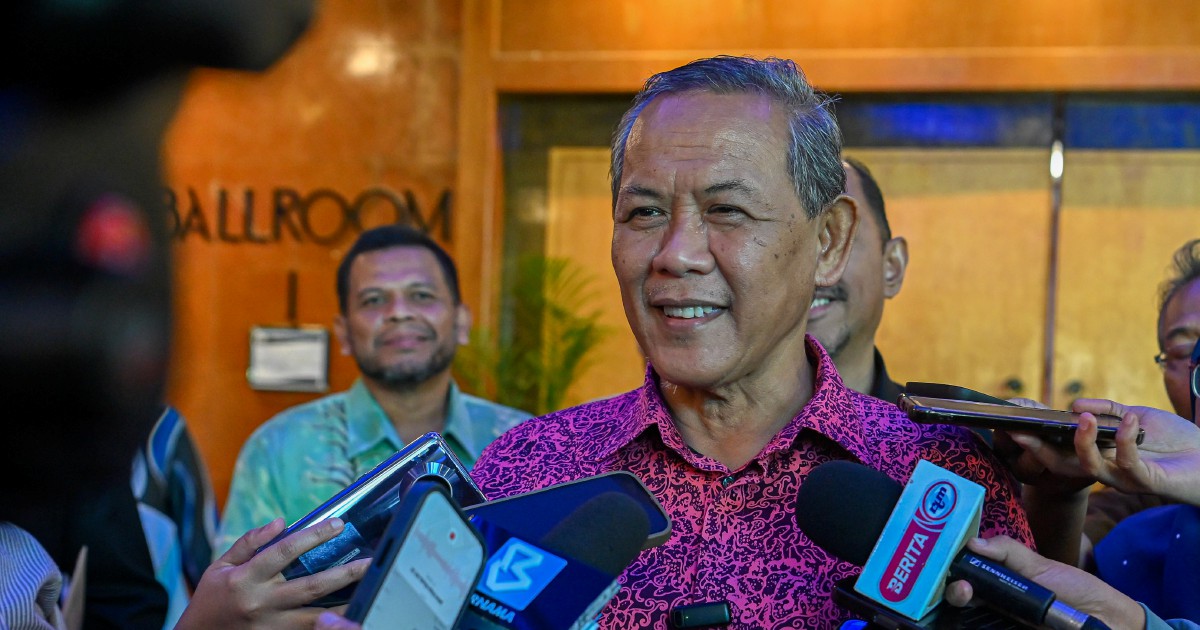
Negri Sembilan Menteri Besar Datuk Seri Aminuddin Harun has made a direct appeal to constituents to evaluate the state administration's track record in tackling Linggi's entrenched flooding woes, cautioning against allowing the matter to be weaponised for electoral advantage ahead of the 16th state election. His comments reflect growing frustration at the polarisation of infrastructure and public safety issues along partisan lines, a tendency that has increasingly characterised pre-election discourse across Malaysia.
The Linggi flood issue represents one of the longest-running environmental challenges facing Negri Sembilan. The river system, which traverses several constituencies including densely populated areas around Seremban, has periodically inundated homes and disrupted livelihoods for decades. Unlike seasonal flooding in other parts of Malaysia, the Linggi problem stems from a complex interplay of watershed management, upstream development, land use patterns, and infrastructure design—factors that resist quick fixes and demand sustained technical and financial commitment.
Aminuddin's intervention suggests that opposition figures or political challengers have begun framing the flooding crisis as evidence of administrative negligence, a common election-year tactic that can resonate powerfully with affected voters. In the context of Negri Sembilan's political landscape, where the state government has shifted hands multiple times in recent elections, such messaging carries particular weight. The Menteri Besar appears to be pre-emptively positioning government action as the legitimate response, rather than allowing critics to monopolise discussion of the problem.
The state administration has reportedly initiated concrete mitigation works designed to address the Linggi flooding. These efforts likely encompass riverine dredging, embankment reinforcement, drainage system upgrades, and possibly longer-term structural interventions. The scale and timeline of such projects are critical considerations for residents who have endured repeated flooding cycles. Malaysia's experience with flood management has evolved considerably, with lessons learned from the 2014-2015 massive flooding events spurring investment in modern early warning systems, improved forecasting, and enhanced structural resilience.
For Malaysian readers, particularly those in flood-prone states like Selangor, Johor, and Pahak, the Linggi situation offers a microcosm of how infrastructure challenges interact with electoral politics. Flood mitigation requires multi-year planning horizons and substantial capital outlay—characteristics that often conflict with the compressed timeframes of political campaigns. Parties in power tend to announce or accelerate projects before elections, while opposition voices frequently demand faster implementation or question the adequacy of existing measures. This dynamic can obscure the genuine technical constraints and legitimate debates around prioritisation and resource allocation.
The Menteri Besar's call for depoliticisation reflects a growing recognition across Asia that climate change and urbanisation are intensifying hydrological challenges. Countries from Vietnam to the Philippines have grappled with similar tensions between technical requirements and political pressures in flood management. Singapore's experience, though geographically distinct, demonstrates how sustained investment and institutional coordination across multiple agencies can progressively reduce flood risk—though at considerable expense and requiring public patience through prolonged implementation periods.
Negri Sembilan specifically faces particular vulnerability given its topography and rainfall patterns. The state encompasses both highland areas with significant water runoff and lowland regions where drainage infrastructure must manage accumulated flows. The Linggi basin interacts with broader hydrological systems, meaning solutions may require coordination beyond state boundaries and across multiple jurisdictions—a complexity that resists neat election campaign narratives.
Aminuddin's emphasis on ongoing mitigation works suggests the government recognises that substantive progress, however incremental, offers stronger political protection than rhetorical commitments. By directing public attention to concrete actions—dredging equipment deployed, contractor schedules announced, progress photographs released—the administration attempts to shift discourse from whether solutions exist to whether execution is occurring. This represents a subtle but important reframing, acknowledging implicitly that voters care less about abstract government competence claims and more about observable results.
The timing of this statement, in relation to the 16th state election cycle, indicates political sensitivity around the issue. Negri Sembilan has experienced competitive elections, with narrow majorities determining control. Issues affecting daily life—particularly those involving safety and property—carry disproportionate weight in voter calculations. A single major flooding event could reshape electoral perceptions, rendering months of mitigation progress claims irrelevant if public memory remains dominated by recent disaster imagery.
For the broader Southeast Asian context, the Linggi situation underscores a pattern where climate-related infrastructure challenges increasingly shape electoral outcomes. Voters in developing democracies are becoming more sophisticated in demanding measurable delivery on environmental and safety pledges. Parties that can credibly demonstrate project completion, contractor accountability, and genuine risk reduction gain electoral advantage, while those offering only promises face mounting scepticism.
The intersection of flood management and election politics in Negri Sembilan also highlights questions about institutional capacity. Competent flood mitigation requires sustained technical expertise, transparent budget allocation, professional project management, and cross-party consensus on priorities. Where political volatility disrupts these elements—through frequent changes of administration, shifting funding priorities, or loss of institutional knowledge—effectiveness suffers. Aminuddin's call for focusing on solutions rather than political point-scoring implicitly acknowledges this vulnerability and appeals to rational self-interest: allowing Linggi to remain unresolved harms all political stakeholders eventually.
Ultimately, the Menteri Besar's intervention signals that Negri Sembilan's flood challenge will feature prominently in the upcoming campaign regardless of rhetoric urging depoliticisation. How effectively the state government demonstrates tangible progress in coming months will likely determine whether voters reward the administration or punish it for perceived inaction. This pattern—where infrastructure delivery becomes the ultimate election verdict—now characterises politics across much of Southeast Asia.

