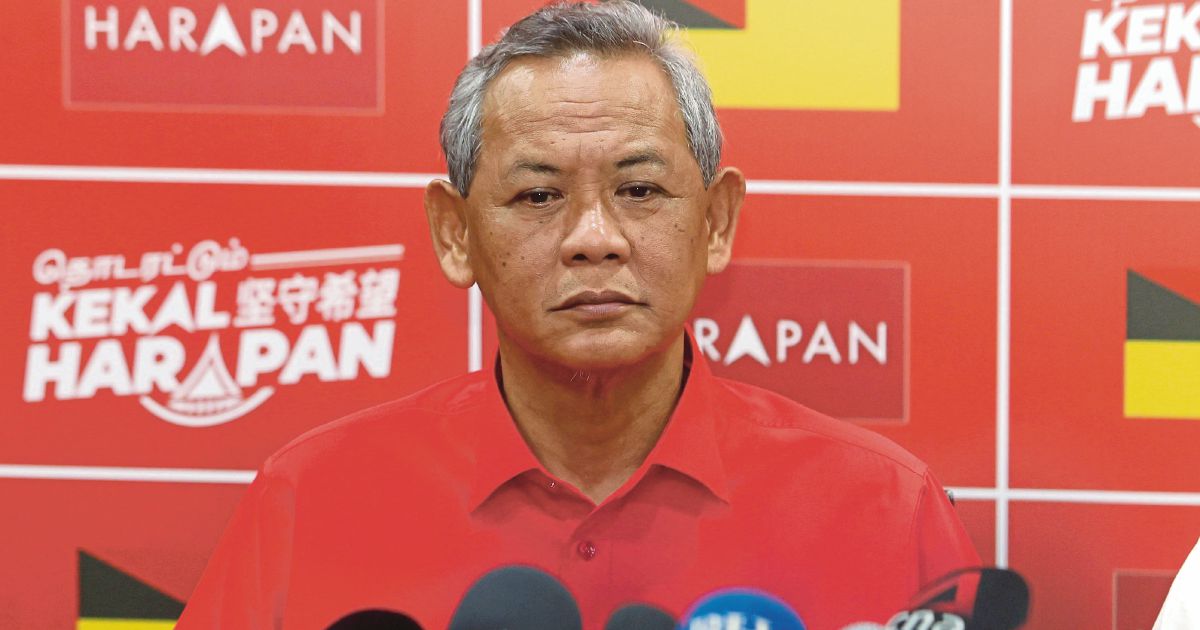
Datuk Seri Aminuddin Harun, who previously served as Negri Sembilan menteri besar, has indicated his readiness to step aside from his role as Parti Keadilan Rakyat state chairman following the disappointing outcome for the party in recent state elections. The announcement comes as PKR faces significant questions about its electoral strategy and leadership across the peninsula, particularly in states where it holds or held executive positions.
The transition in Negri Sembilan's PKR leadership reflects broader turbulence within the opposition coalition as parties recalibrate their approach following recent electoral contests. Aminuddin's willingness to vacate the top state party position suggests recognition that leadership changes may be necessary to rebuild organisational momentum and restore party credibility among voters. This shift mirrors similar leadership reshuffles occurring across other political formations in Malaysia as parties assess their performance and chart new directions.
Negri Sembilan's electoral terrain has proven increasingly competitive in recent years, with multiple political blocs vying for dominance. PKR's performance in the state reflects the broader challenge facing Pakatan Harapan components as they attempt to maintain electoral relevance amid shifting voter preferences and fragmentation within opposition ranks. The state's political dynamics have been further complicated by the emergence of rival Malay-Muslim political movements and the varying fortunes of component parties within the broader opposition alliance.
Aminuddin's tenure as menteri besar represented a significant period in the state's recent political history, during which he navigated complex coalition politics and economic management responsibilities. His willingness to step down from the state chairmanship suggests he recognises the connection between electoral outcomes and leadership legitimacy within party structures. Such acknowledgments are relatively uncommon in Malaysian politics, where senior figures often cling to positions despite electoral reverses.
The potential leadership transition carries implications for how PKR approaches coalition dynamics not only in Negri Sembilan but across other state chapters. State-level leadership often influences party strategy at the national level, particularly in relation to seat allocation, campaign messaging, and coordination with alliance partners. The removal of an established figure like Aminuddin may signal a pivot toward different electoral or organisational strategies that PKR leadership believes better suited to reversing recent trends.
Negri Sembilan remains strategically important to Pakatan Harapan's broader peninsular ambitions, particularly given its position as a crucial swing state in the nation's political calculations. The state has witnessed intense competition between BN and opposition coalitions, with control shifting between blocs depending on electoral cycles and local political circumstances. PKR's standing in Negri Sembilan therefore carries significance for national coalition politics.
The question of succession to the state chairmanship will likely be contentious, as potential candidates from within PKR's Negri Sembilan structure position themselves for advancement. The party's grassroots membership will play a crucial role in determining whether internal processes prioritise fresh faces seeking to rebuild the party's image or established figures with deeper historical roots in the state's political ecosystem. This internal contest may influence PKR's broader trajectory and its ability to project unity ahead of future electoral contests.
For PKR at the national level, leadership transitions at the state level provide opportunities to implement organisational reforms and campaign innovations. How the party manages the Negri Sembilan transition will signal to other state chapters and coalition partners whether PKR intends fundamental restructuring or merely cosmetic adjustment. The manner and timing of Aminuddin's departure will thus carry symbolic weight beyond the state's borders.
The broader context of Malaysian opposition politics adds complexity to Negri Sembilan's internal party dynamics. With multiple opposition movements competing for anti-establishment votes and BN-aligned coalitions maintaining structural advantages in many areas, PKR must carefully balance internal discipline with the need to appear responsive to electoral feedback. Aminuddin's decision to indicate willingness to step down positions PKR as a party willing to hold leadership accountable, a message that could resonate with frustrated voters across multiple states.
Moving forward, PKR's handling of the Negri Sembilan chairmanship transition will be closely watched by political observers and competing parties alike. The transition offers the party an opportunity to demonstrate regeneration and renewed commitment to electoral competitiveness. Conversely, any prolonged internal disputes or perceptions of managed outcomes could further damage the party's credibility in a state where opposition fortunes remain fragile and voter affiliation remains volatile.

