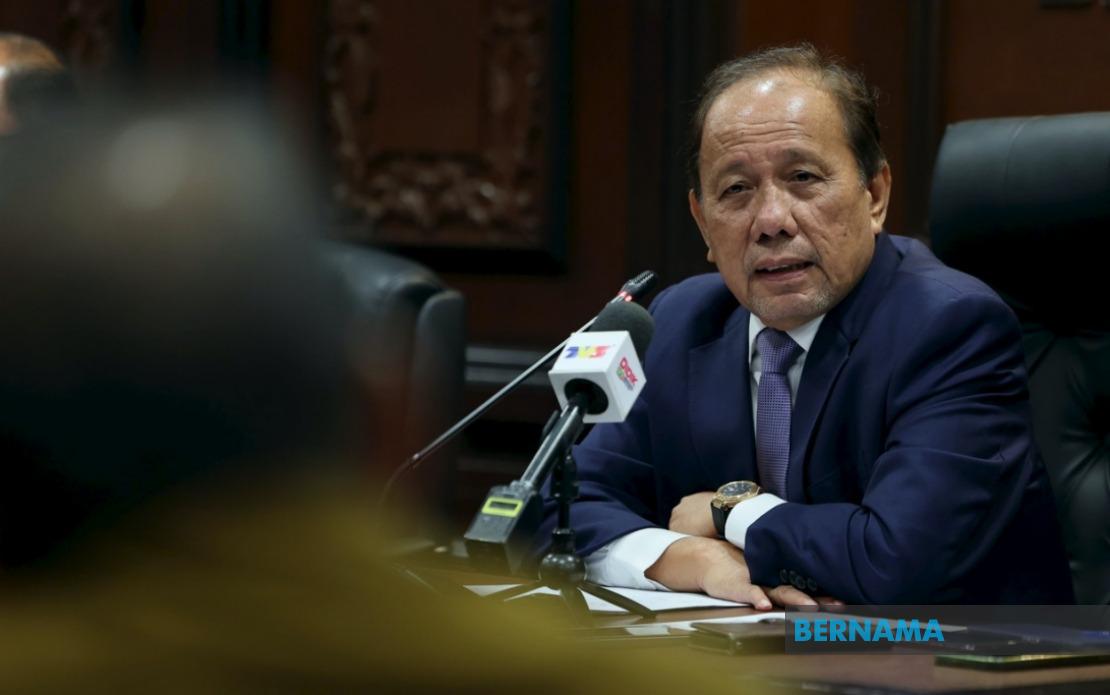
Negeri Sembilan's current menteri besar has drawn a stark distinction between former opposition lawmakers over their handling of public allocations since the state assembly's dissolution in June. Datuk Ismail Lasim identified Datuk Seri Aminuddin Harun, his predecessor from Pakatan Harapan, as the sole ex-assemblyman to have settled his accounts in full, contrasting sharply with numerous colleagues whose repayment remains incomplete.
The accountability measure stems from the June 5 dissolution of the state assembly, which prompted demands for funds earmarked for the July-September period to be repatriated. Several former PH representatives, including coordinators responsible for Paroi and Labu constituencies, initiated return procedures from late June onward. However, their compliance has proven inconsistent. Ismail's office maintains detailed records of disbursements to each former assemblyman, noting substantial variation in the amounts each received based on their respective constituencies' needs and allocations.
The process of determining exact outstanding balances has become complex due to these variations. Ismail explained that individualised letters demanding return of funds would reflect each legislator's specific circumstances rather than applying uniform figures across the board. The menteri besar's administration continues reviewing documentation to establish precise obligations, accounting for differences in original allocations and partial reimbursements already made. This methodical approach, he suggested, ensures fairness whilst maintaining transparency regarding public finances.
A critical distinction emerged regarding executive councillors serving at the time of dissolution. These officials, including Aminuddin, retained ex-officio membership rights through July 31 and remained authorised to utilise allocations for that extended month. This provision explains why Aminuddin faced no obligation to return funds designated for July, positioning him differently from ordinary assemblymen whose entitlements ceased immediately upon dissolution. The nuance underscores how dissolution procedures distinguish between various categories of elected representatives.
Defending the prior administration's expenditure, Nilai assemblyman J. Arul Kumar asserted that allocated funds were deployed exclusively for constituents' benefit rather than partisan advantage. The DAP assemblyman emphasised that unspent balances had already reached the menteri besar's office by July 10, accompanied by comprehensive financial documentation for each constituency. This proactive approach contrasts with the lingering non-compliance plaguing other former representatives, suggesting differential commitment to accountability standards within the dissolved PH caucus.
The situation reflects broader governance challenges in Malaysia's state legislatures following political transitions. When assemblies dissolve or shift control, questions invariably arise regarding unexpended allocations and their proper disposition. The Negeri Sembilan case demonstrates institutional mechanisms attempting to enforce compliance, yet reveals practical difficulties in extracting full reimbursement from departing officials. Some may genuinely have exhausted funds through legitimate constituency work, whilst others potentially face budgetary constraints inhibiting swift repayment.
For Malaysian observers tracking political accountability, the episode offers mixed signals. Aminuddin's complete settlement enhances his credibility as a fiscally responsible administrator, particularly significant given his stature within PH and potential future political ambitions. Conversely, his peers' incomplete compliance raises questions about institutional oversight and consequences for non-cooperation. Whether the menteri besar's office possesses enforcement mechanisms to compel reluctant former assemblymen remains unclear, though the threatened issuance of formal demand letters suggests escalating pressure.
The timing of this disclosure also warrants consideration. Two months after dissolution, bringing public attention to repayment failures sharpens political narratives surrounding the transition of power. The current BN-led administration can credibly claim it inherited fiscal disorder from its predecessors whilst demonstrating diligence in recovery efforts. Simultaneously, portraying individual former PH members as tardy repayers—versus Aminuddin's exemplary conduct—strategically divides the opposition and potentially emboldens defections or weakens institutional opposition cohesion.
Looking beyond Negeri Sembilan, this incident highlights structural vulnerabilities in how Malaysian states manage transitional financial accountability. Clear protocols specifying repayment timelines, consequences for non-compliance, and dispute resolution mechanisms would reduce ambiguity. Many states currently lack such standardised frameworks, allowing discretionary administration that can appear politically motivated even when procedurally sound. As Malaysia experiences increasingly fluid political alignments and state-level realignments, institutionalising these processes becomes increasingly urgent.
The episode also reflects evolving standards of political transparency and fiscal discipline. Whereas past transitions might have proceeded with minimal scrutiny regarding allocation disposition, contemporary Malaysian politics increasingly subjects such matters to public examination. Opposition parties, media outlets, and civil society expect accounting and demand evidence of proper fund utilisation. This heightened accountability culture, whilst sometimes weaponised for political advantage, ultimately strengthens governance standards and constrains opportunities for funds to disappear without explanation.
For Negeri Sembilan specifically, resolving these outstanding accounts matters for restoring public confidence in state finances. Extended delays or contested repayment claims could generate accusations of deliberate obstruction or financial impropriety. The menteri besar's measured approach—conducting thorough reviews before issuing individualised demands—appears calculated to withstand legal challenges whilst maintaining perceived fairness. Successfully recovering outstanding amounts would vindicate this patient methodology and establish precedent for future transitions.

