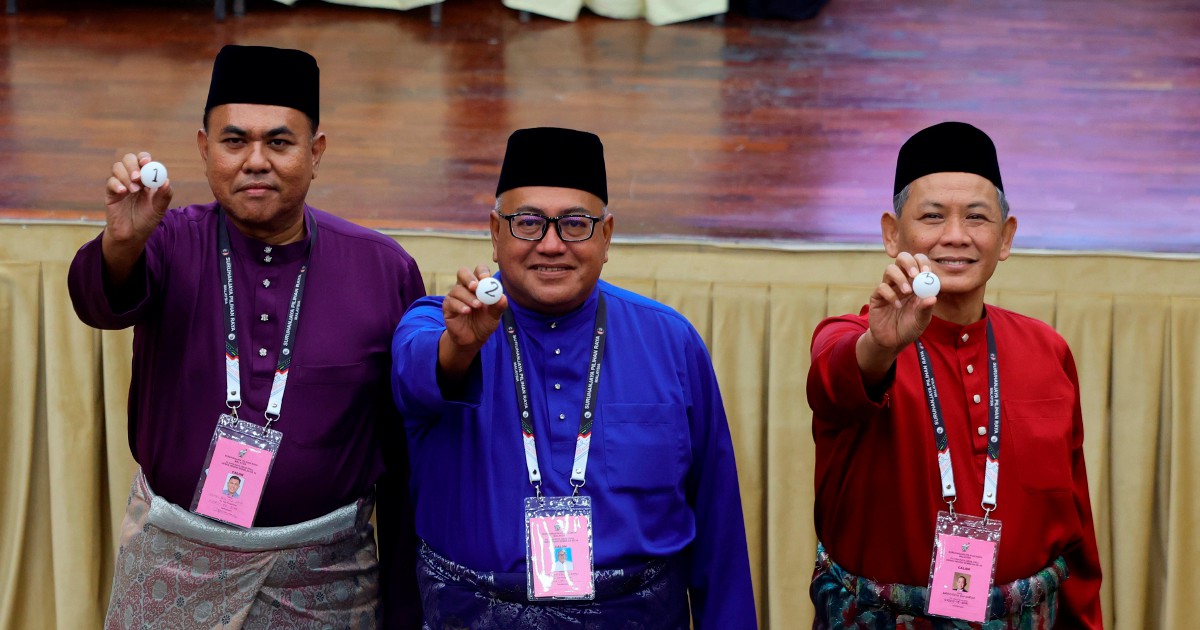
Caretaker Menteri Besar Datuk Seri Aminuddin Harun has tempered expectations about his prospects in the forthcoming Negri Sembilan state election, candidly admitting that the race for the Linggi seat remains highly competitive despite the coalition's traditional stronghold status in the area. Speaking in Port Dickson, Aminuddin characterised his chances of victory as a toss-up, with odds split evenly between success and defeat, signalling that what might have once appeared as a safe Barisan Nasional territory has become considerably less predictable.
The frank assessment from Negri Sembilan's caretaker leader reflects broader shifts in Malaysian electoral dynamics that have reshaped political geography across the peninsula since the 2018 general election. Linggi, which encompasses parts of Port Dickson and surrounding constituencies, has long been considered favourable terrain for Barisan Nasional, yet Aminuddin's comments suggest that incumbent advantages and traditional voting patterns may no longer guarantee comfortable victories. His willingness to publicly acknowledge the competitive nature of the contest demonstrates either genuine uncertainty about voter sentiment or a strategic move to energise the coalition's machinery to intensify campaigning efforts before polling day.
The Negri Sembilan state election has assumed heightened significance in Malaysian politics as a barometer of public opinion and voter priorities in one of the peninsula's pivotal states. Situated between the Klang Valley and the southern corridor, Negri Sembilan has proven responsive to national political currents whilst maintaining distinct local concerns around economic development, infrastructure, and governance. Aminuddin's leadership of the state government under caretaker status places particular scrutiny on Barisan Nasional's record and vision, with voters evaluating the coalition's performance in handling state-level issues ranging from education and healthcare to rural development and urban planning.
The acknowledgment of a 50-50 race in Linggi carries implications extending beyond this single constituency. If a traditionally secure Barisan Nasional seat has become competitive, this suggests either that opposition parties have successfully mobilised supporters through compelling alternative platforms or that dissatisfaction with the incumbent government's delivery has eroded what might previously have been insurmountable advantages. The opposition's capacity to contest previously assumed safe seats reflects their organisational improvements and messaging resonance with voters concerned about economic pressures, cost-of-living challenges, and governance transparency.
For Barisan Nasional across Negri Sembilan, Aminuddin's candid assessment underscores the necessity of preventing complacency despite the coalition's historical dominance. Winning constituencies that were once treated as automatic victories now requires sustained ground engagement, clear policy articulation, and demonstration of tangible benefits delivered to constituents. The caretaker Menteri Besar's comments implicitly acknowledge that electoral mathematics have shifted, demanding heightened campaign intensity and grassroots mobilisation even in areas where the coalition traditionally enjoys structural advantages.
The competitive nature of Linggi reflects broader demographic and socioeconomic transformations occurring across Malaysia's electoral constituencies. Urban and semi-urban areas have become increasingly volatile as voters demonstrate greater willingness to switch allegiances based on performance and policy offerings rather than reflexive party loyalty. Port Dickson's socioeconomic composition, including its urban centres, industrial zones, and residential areas, has likely attracted voters whose priorities may diverge from traditional Barisan Nasional constituencies, potentially creating openings for opposition parties offering differentiated policy approaches.
Aminuddin's 50-50 assessment also carries implications for how Barisan Nasional allocates resources and attention across Negri Sembilan's constituencies during the campaign phase. If the caretaker Menteri Besar's own seat requires intensive effort to secure, this may necessitate difficult prioritisation decisions about where the coalition deploys its organisational and financial resources. Constituencies currently assessed as more secure might receive less attention, potentially shifting the competitive landscape if the opposition capitalises on reduced incumbent presence.
The political context of Negri Sembilan elections remains shaped by factional dynamics within Umno and Barisan Nasional more broadly, with internal coalition negotiations determining candidate selection and resource allocation. Aminuddin's public candour about the Linggi challenge may reflect internal coalition assessments that have reached similar conclusions, or alternatively, his statement might constitute a motivational appeal to party machinery recognising that complacency posed the gravest threat to electoral prospects. Either interpretation suggests that Negri Sembilan's political environment has fundamentally altered from previous election cycles.
The state election also provides voters with an opportunity to evaluate whether Barisan Nasional's governance in Negri Sembilan has adequately addressed their concerns and delivered substantive improvements in quality of life and public services. Aminuddin's acknowledgment of competitive pressures in Linggi indirectly validates opposition arguments that incumbent performance has generated sufficient dissatisfaction to make previously secure seats contested terrain. Whether the caretaker Menteri Besar successfully defends his constituency may ultimately hinge less on historical voting patterns and more on voters' assessments of governance effectiveness and their confidence in alternative political offerings presented by opposition competitors.

