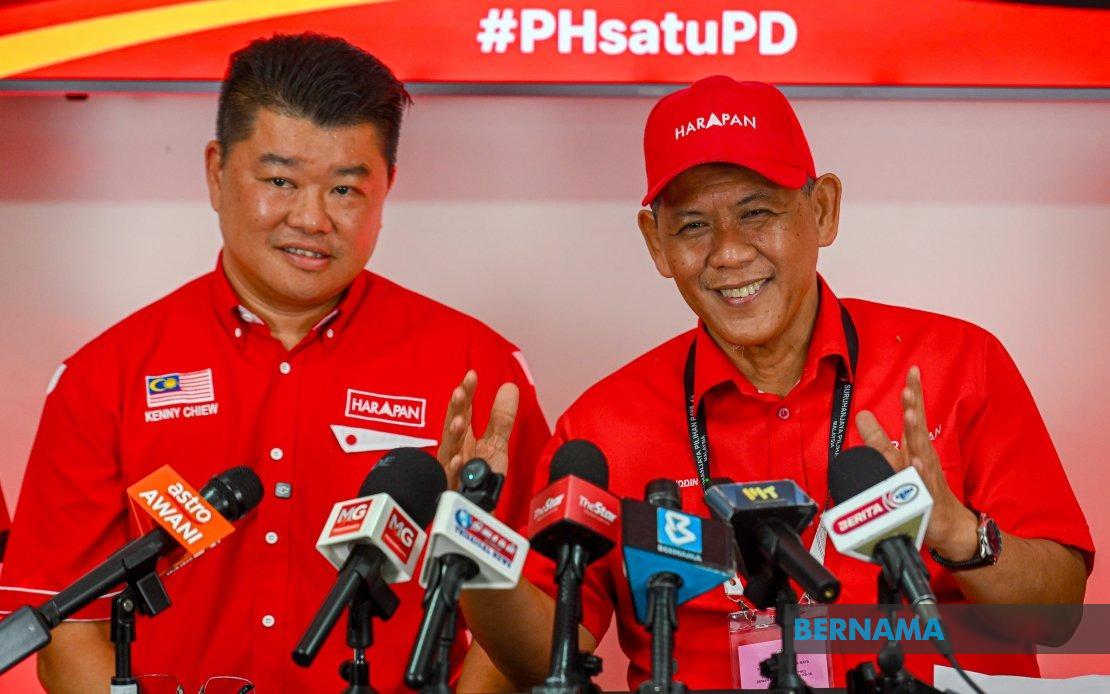
Datuk Seri Aminuddin Harun, Negeri Sembilan's Menteri Besar and Pakatan Harapan candidate for Linggi, has issued a strong appeal for ethical conduct throughout the 16th Negeri Sembilan State Election, condemning destructive campaign tactics and calling for political maturity in the state's electoral process. Speaking while campaigning in the Linggi constituency, Aminuddin emphasised that acts of vandalism have no legitimate place in a modern, democratic society, urging all contesting parties to demonstrate the standards expected of a civilised state.
The appeal comes after Pakatan Harapan reported multiple incidents of campaign material destruction during the early stages of campaigning. According to statements released by the coalition's media centre, party flags were set alight in the Palong constituency, whilst flagpoles suffered damage in Chembong. These reports have underscored growing concerns about the tone and conduct of the election campaign, raising questions about whether campaign rivalry might escalate into further confrontational behaviour before polling day on August 1.
Aminuddin's remarks reflect broader anxieties within the political establishment about maintaining electoral decorum. His emphasis on allowing voters to judge politicians based on their campaign conduct rather than destructive actions suggests concern that vandalism may undermine public confidence in the democratic process itself. The Menteri Besar framed the issue not as partisan point-scoring but as fundamental to how Negeri Sembilan wishes to present itself as a functioning democracy where political competition remains civil and rule-bound.
Police authorities have confirmed they are actively investigating these incidents. Negeri Sembilan Police Chief Datuk Alzafny Ahmad reported receiving a vandalism complaint related to campaign materials in Jempol, with a separate investigation ongoing in Chembong. The involvement of law enforcement signals that such incidents are being treated seriously and suggests the authorities are committed to ensuring compliance with electoral regulations throughout the campaign period.
The Election Commission's timeline for the 16th Negeri Sembilan State Election has been set with early voting scheduled for July 28 and the main polling day fixed for August 1. The state legislature was dissolved on June 5, initiating the formal campaign period. This relatively compressed timeframe means that the intensity of campaigning will likely increase significantly as parties mobilise resources and supporters to maximise their chances at the ballot box.
For Malaysian voters, particularly those in Negeri Sembilan, these developments carry broader significance beyond the immediate state election. The conduct of electoral campaigns sets important precedents for how political competition unfolds in the country. When campaigns descend into vandalism and property destruction, it risks normalising extra-democratic forms of political expression and potentially alienating ordinary voters who may view such behaviour as indicative of a party's character and fitness for office.
The timing of Aminuddin's intervention is strategically important. By publicly calling for ethical conduct early in the campaign, he establishes a benchmark against which other parties' behaviour will be measured. Should further incidents occur, his appeal will serve as a reference point for public judgment about which parties have upheld their civic responsibilities. This approach potentially enhances the moral standing of Pakatan Harapan whilst placing pressure on other contestants to demonstrate similar restraint.
Negeri Sembilan's status as a relatively competitive state in Malaysian politics adds weight to these concerns about campaign conduct. The state has alternated political control in recent decades, and current polling dynamics suggest that the 2024 election could remain closely contested. In such circumstances, the temptation for political operatives to employ aggressive or destructive tactics may increase, particularly if some parties sense they are trailing in electoral momentum.
The broader context of Malaysian electoral politics in recent years reveals periodic tensions between maintaining democratic standards and the intensity of political competition. Instances of campaign material vandalism, whilst not uncommon, remain troubling indicators that some political actors prioritise disruption over persuasion. Aminuddin's call therefore resonates with ongoing national conversations about the quality of democracy and whether Malaysia's electoral system can function effectively when political actors respect agreed rules of engagement.
Looking ahead to August 1, Negeri Sembilan voters face the responsibility of rendering judgment not only on policy platforms and candidate credentials but also on which parties have demonstrated the maturity and discipline expected of democratic competitors. Aminuddin's plea for clean campaigns essentially invites the electorate to weight ethical conduct as a criterion in their voting decisions, suggesting that how parties campaign matters as much as what they promise to deliver in office.

