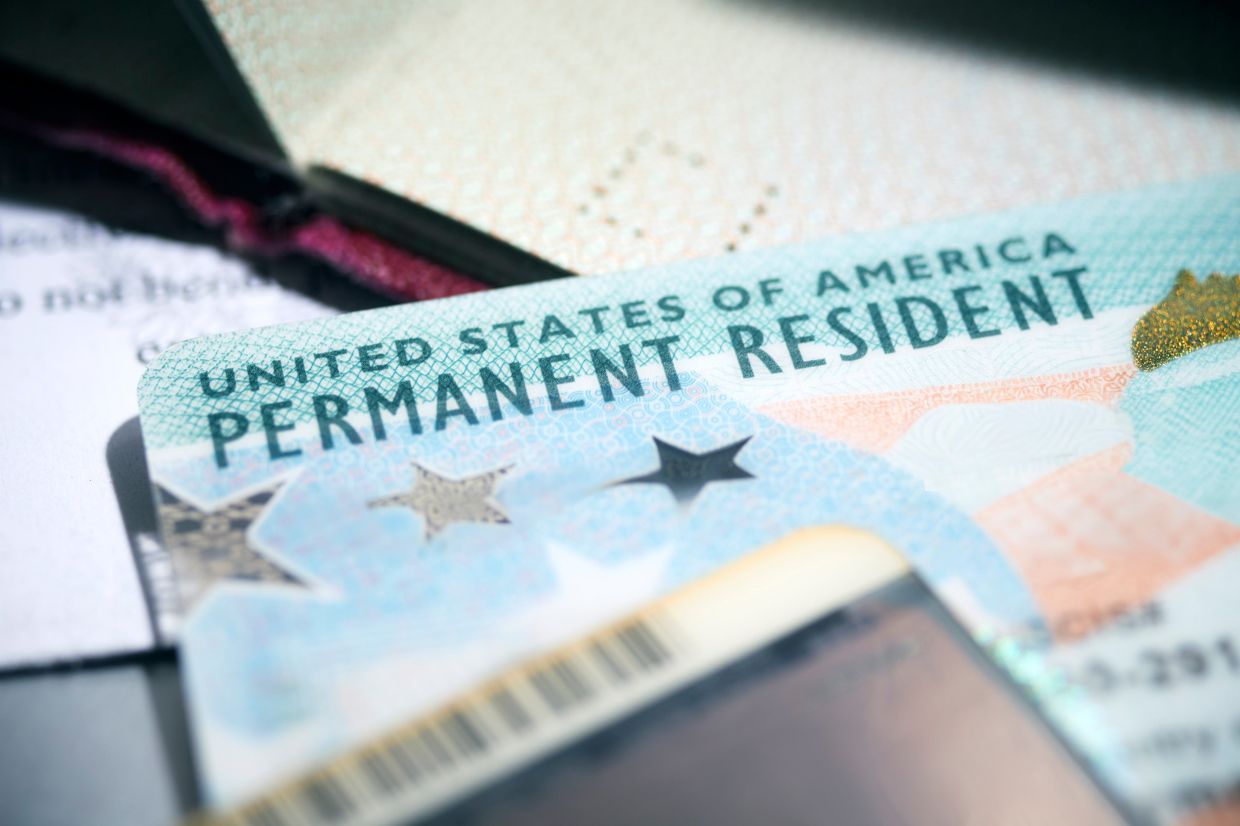
Across American diplomatic missions worldwide, visa processing has ground to a halt. Immigrant visa interviews stand indefinitely postponed as State Department officials receive training on a tightened 'public charge' standard—a determination of whether visa applicants appear likely to depend on government benefits. This administrative pause arrives on the heels of a federal judge dismantling a separate 75-country visa restriction built on comparable reasoning, yet the Trump administration has proceeded with what experts characterise as an unusually disruptive implementation strategy.
The concept underlying this enforcement push is not novel. Immigration officers have long evaluated applicants using a standard set of criteria: age, health, family structure, financial resources, education level, professional qualifications and employment prospects. What has fundamentally shifted is the instruction to deploy these assessments with considerably greater stringency. The machinery now includes provisions for imposing public charge bonds in selected cases, transforming what was once a threshold rarely crossed into a routine enforcement mechanism. State Department leadership has instructed officers to apply this test "comprehensively and consistently," signalling an intention to make denials the default rather than the exception in borderline cases.
Expert observers from the immigration bar and policy research community view this recalibration with alarm. Sarah Pierce, a former analyst at the US Citizenship and Immigration Services who now directs social policy research at Washington-based think tank Third Way, characterises the administration's approach as deliberately maximising disruption. Charles Kuck, an Atlanta-based immigration attorney whose practice last year encompassed representation of more than 100 students challenging administration policies, reports that training materials explicitly instruct officers in techniques for rejecting applications under public charge doctrine. Family-based immigration pathways, already constrained by decades of restrictionist policy, face substantial additional obstacles. Diversity visa lottery winners, whose pathways depend on swift processing before the American fiscal year ends on September 30, confront particular jeopardy from the interview freeze.
The immediate consequence ripples through consulates and embassies. Interview cancellations cascade outward to applicants who have made irreversible life decisions in anticipation of visa approval. Individuals have booked flights, divested themselves of property, undergone costly medical examinations and restructured employment. The postponements create not merely inconvenience but material harm. Cancelled interviews do not automatically invalidate approved petitions or reset priority dates in the visa queue system. However, applicants face indefinite waiting with no timeline for rescheduling. Pierce emphasises that the State Department "has not announced when normal scheduling will resume," leaving entire families suspended in legal limbo.
The distinction between approved petitions and visa stamps represents crucial legal territory. A petition approval from USCIS constitutes one element of the process; the visa stamp from a consular officer represents another. Cancellation of an interview does not automatically void the underlying petition, yet applicants cannot proceed without rescheduling. This bureaucratic separation creates vulnerability. Consular officers possess authority to refer cases backward to USCIS when they identify fraud, material changes in circumstance or patent errors. Yet USCIS retains final decision-making authority on whether to reapprove referred petitions. Many returned files eventually receive reapproval, though employment-based cases experience substantially more questioning than family-based matters, where spousal relationships and similar determinations are categorically resistant to reversal.
The guidance vacuum surrounding implementation presents a secondary danger. Kuck observes that "the statute provides no direction," creating space for inconsistent and aggressive officer discretion that could ultimately function "like a blanket ban for certain populations" despite not formally constituting one. Applicants cannot anticipate how different consular posts will interpret instruction or which combinations of life circumstances will trigger denial. This unpredictability cascades through entire family structures. Those already holding valid work visas face substantially different calculations than those waiting abroad. Pierce's counsel directs applicants without current lawful status to remain in their home countries pending interview rescheduling, as travel interrupting their presence abroad could precipitate additional complications.
For those with existing lawful status in America, different dangers emerge. Individuals holding green cards or valid immigration status must weigh international travel decisions with acute caution. An approved petition awaiting final visa adjudication abroad does not constitute sufficient insurance against complications upon return. Kuck advises that no person should depart the United States "unless they have an emergency need to travel," particularly when return depends on obtaining a new visa. Documentation becomes critical. Travellers must maintain green cards or the combination of I-94 arrival/departure records plus employment letters or I-797 notices. Copies should be maintained with family members domestically. Workers entering the country should carry current pay stubs and employer verification letters.
The category most vulnerable comprises those without lawful status or with marginal immigration positions. Individuals on 240-day work permit extensions following H-1B visa expiration, those with merely pending green card applications, and asylum seekers remain at extraordinary risk. The Trump administration has "dramatically increased the volume and aggressiveness of immigration enforcement," in Pierce's assessment, making even bureaucratic mistakes potentially catastrophic. New arrivals now receive fixed-duration status assignments, typically spanning four years, with grace periods compressed from 60 days to 30—further constraining flexibility for those navigating America's immigration system.
For applicants in Southeast Asia and the broader region, implications are particularly acute. Malaysia, Singapore and other nations serve as regional visa processing hubs. Family reunification cases spanning Asia and America face substantial delays and heightened scrutiny. Professional workers accessing H-1B pathways, though not technically frozen, confront uncertainty regarding public charge application to temporary visa categories. The proposed US$103,000 fee increase for H-1B processing, whilst not yet implemented, signals intensifying cost barriers. Diversity visa winners from ASEAN countries face particular pressure given September 30 fiscal year deadlines.
Applicants navigating current proceedings require meticulous documentation. Pierce emphasises that individuals must understand precisely what was filed in their immigration cases and avoid speculative responses to officer inquiries. Inaccurate statements regarding filed information can trigger fraud referrals with severe consequences. Immigration attorneys counsel applicants to maintain organised records of all petitions, affidavits of support, medical examinations and correspondence.
The broader strategic question concerns whether these enforcement shifts constitute legitimate administrative adjustments or deliberately constructed barriers functioning as effective prohibitions. The federal court's recent striking of the 75-country visa block suggests judicial scepticism regarding the administration's reasoning. Yet consular implementation operates with substantial deference and limited appeal mechanisms. For applicants worldwide, the practical reality is that American pathways have narrowed considerably, processing timelines have lengthened unpredictably, and the psychological toll of uncertainty has intensified markedly.

