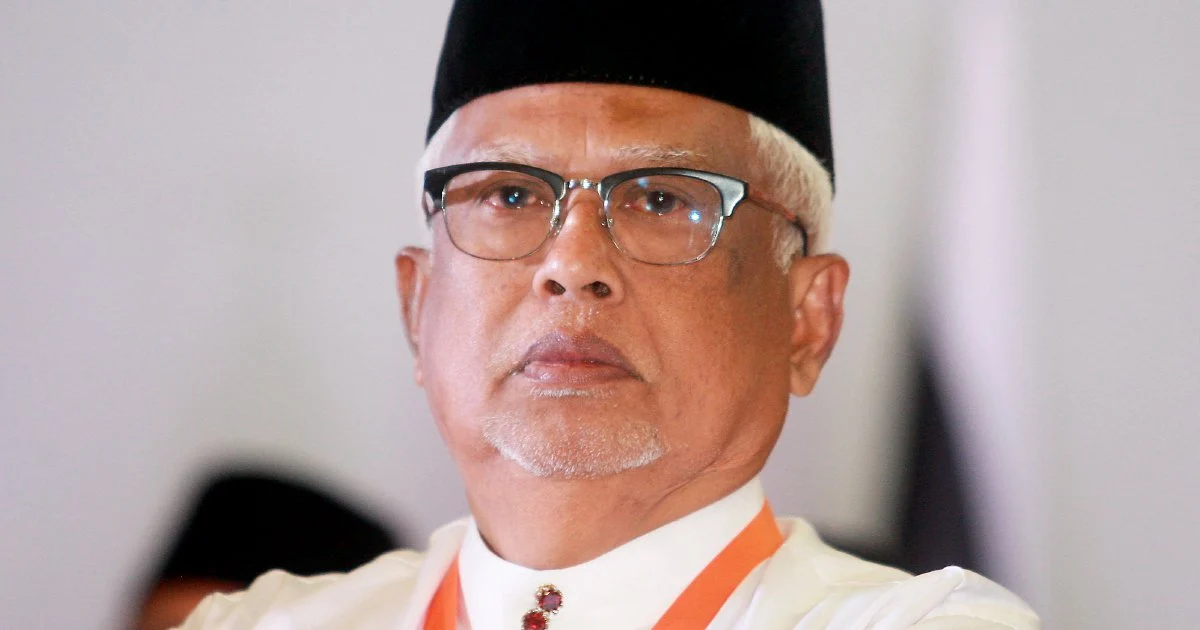
An Amanah party leader has publicly questioned PAS's political strategy in the Johor state election, specifically targeting what appears to be a contradiction between the Islamic party's support for Bersatu candidates and accusations the party has previously levelled against its coalition partner. The challenge underscores mounting tensions within the Perikatan Nasional alliance, suggesting the cracks visible within Malaysia's opposition bloc run deeper than initially apparent.
Mahfuz's intervention reflects broader anxieties among Malaysia's opposition-aligned parties about the stability and coherence of the PN arrangement. When a party simultaneously levels serious allegations against another while continuing to campaign for its candidates, the logical consistency of such a political posture becomes difficult to defend publicly. This apparent contradiction provides opposition parties outside the PN framework an opportunity to question the coalition's internal credibility and unified messaging capacity.
The Johor state election serves as a testing ground for how well the PN coalition can maintain party discipline and present a unified front to voters. Johor represents significant political real estate in Malaysian electoral mathematics, given its size and voting population. How the various PN components manage their internal disputes while competing in the state ballot will likely influence perceptions of the coalition's viability as a national political force.
PAS has long been an important component of PN, bringing considerable grassroots organisational capacity and a dedicated voter base rooted in Islamic constituencies. Bersatu, meanwhile, emerged from UMNO defections and carries its own political capital and former ruling-party networks. The dynamic between these parties within PN has never been entirely friction-free, reflecting different priorities, power-sharing expectations, and visions for Malaysia's political future.
The allegation of serious misconduct or wrongdoing by one coalition partner against another creates a unique political predicament. Voters observing such charges naturally wonder why parties would maintain electoral partnerships with those accused of serious matters. This dynamic potentially undermines voter confidence in both the accusing party's judgment and the coalition's overall legitimacy. If the allegations are genuinely serious, critics argue, then sustained collaboration becomes ethically questionable. If they are not serious, then raising them appears merely opportunistic.
Amanah's positioning as the challenger here reflects its different political location. As part of a separate coalition alignment, Amanah can observe and critique without the internal constraints binding PAS. This gives the party latitude to highlight what it perceives as inconsistencies in rival formations, potentially attracting voters troubled by apparent hypocrisy or incoherence among competing political blocs.
For Malaysian voters and political observers, such internal contradictions within opposition coalitions raise fundamental questions about political maturity and governance readiness. A political bloc hoping to convince voters it merits national leadership must demonstrate the capacity to manage internal disagreements, maintain basic coherence, and present a credible united front on major matters. When such fundamental coherence appears absent, it inevitably affects electoral prospects and public confidence in the coalition's fitness for power.
The Johor context matters significantly here. The state represents both a symbolic and substantive prize in Malaysian politics, carrying implications for both state-level governance and national political trends. How the various coalitions perform in Johor will offer insights into broader electoral trajectories and shifts in voter sentiment across different demographic and regional segments. Any perceptible lack of unity or credibility among PN components could translate into dampened electoral performance.
PAS faces particular pressure to articulate coherently why continued support for Bersatu remains justified despite the serious allegations referenced. The party must either clarify the specific nature of these allegations and explain why they do not undermine the coalition partnership, or alternatively demonstrate that maintaining PN unity serves larger strategic objectives that transcend individual controversies. Silence or evasion on such questions typically strengthens opposition narratives about inconsistency.
The broader regional implications extend beyond Johor's borders. Perikatan Nasional's capacity to function as a cohesive political force at the state level influences assessments of whether it represents a viable national alternative to existing power structures. Southeast Asian political developments occur within contexts where electoral performance and coalition stability in individual states contribute to shaping national trajectories.
Moving forward, observers should monitor how PAS formally responds to Amanah's challenge. The response will indicate whether the Islamic party views the allegations as sufficiently important to merit public explanation, and whether PN can develop communication strategies that address internal tensions while maintaining electoral momentum. How political formations respond to questions about their internal coherence often reveals as much about their organisational health and leadership confidence as their policy positions.
The Mahfuz challenge ultimately highlights a persistent vulnerability within Malaysian opposition politics: the difficulty of maintaining coalition unity while managing the inevitable disagreements that arise between partner parties with distinct organisational cultures, constituencies, and political objectives. Resolving such tensions transparently rather than through evasion typically strengthens rather than weakens public confidence in political formations.

