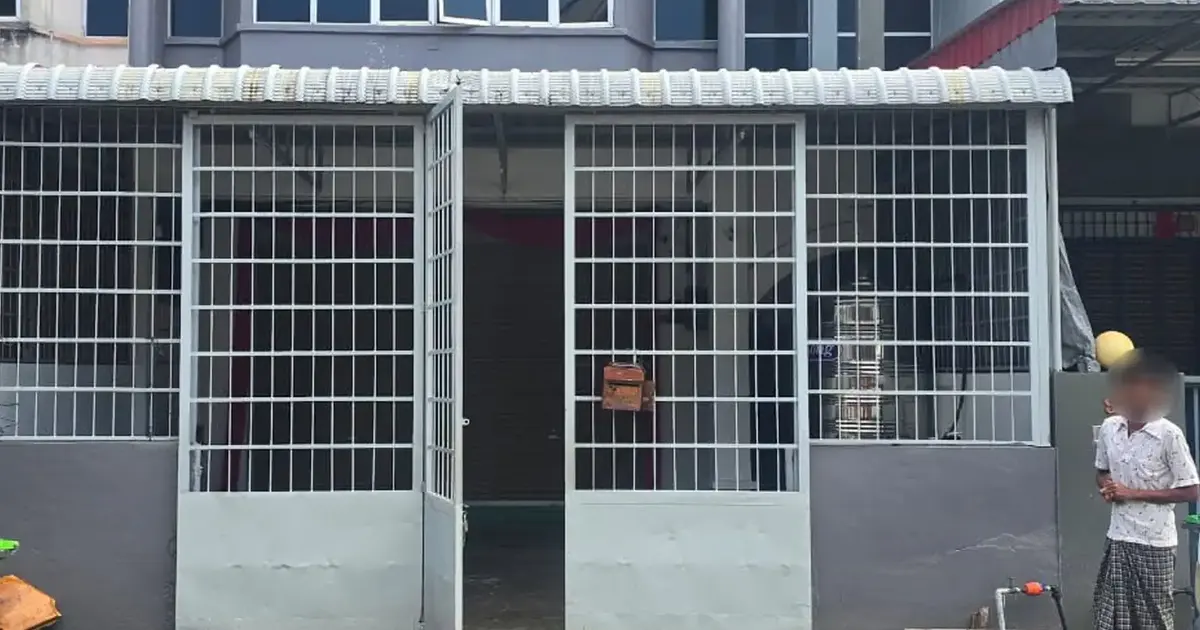
Authorities in Alor Setar have moved against what appeared to be an informal learning centre for Rohingya children, discovering the operation during routine enforcement activity in an industrial zone. The raid by the Alor Setar Municipal Council has triggered an investigation into dual violations—the unauthorised use of space designated for industrial purposes and the operation of an educational facility without proper licensing or approval from relevant authorities.
The discovery highlights the complex reality facing refugee and migrant communities across Malaysia, where informal education networks often emerge in response to barriers preventing access to formal schooling. Rohingya families, who have sought refuge in Malaysia due to persecution in Myanmar, frequently encounter obstacles when attempting to enrol their children in government schools, including documentation requirements and language considerations. As a result, community-led learning initiatives have proliferated, though many operate in legal grey areas.
The premises in question was functioning as a makeshift classroom, suggesting that educators had been attempting to provide basic instruction to refugee children in an environment that was never intended for such use. Industrial properties typically fall under strict zoning classifications that prohibit residential or educational activity, creating immediate legal complications when such spaces are repurposed. The council's investigation will now focus on determining the extent of operations, the number of children involved, and how long the facility had been active.
This development reflects ongoing tensions between humanitarian concerns and regulatory enforcement in Malaysia. While authorities maintain responsibility for ensuring buildings are used in accordance with zoning laws and that educational standards are upheld, the closure of such facilities effectively denies vulnerable children access to structured learning opportunities. Rohingya youth who are unable to attend formal schools or access informal education may face further marginalisation and limited economic prospects as they mature.
The broader context of Rohingya education in Malaysia remains fraught with challenges. Official policy does not provide systematic pathways for refugee children to access the national school system, though some individual schools have accommodated Rohingya students where local administrators have exercised discretion. International organisations and non-governmental bodies have documented significant education gaps within refugee populations, with many children receiving little to no formal instruction during their years in Malaysia.
Alor Setar, the capital of Kedah state, has hosted a notable Rohingya population, with several informal settlements and community clusters established over the past decade. The discovery of this learning centre underscores the reality that communities are attempting to bridge educational gaps through whatever means available, even when those solutions conflict with municipal regulations. The question now facing policymakers is whether enforcement approaches adequately address the underlying need or simply push such activities further underground.
Investigations into the operation will likely examine administrative and compliance aspects, including whether the space was legitimately leased for industrial purposes and how it came to be utilised for education. Authorities will also need to establish whether the individuals operating the centre had any formal teaching qualifications or whether instruction was being provided by community members with basic literacy capabilities. These procedural details matter because they distinguish between a sophisticated illegal operation and grassroots efforts by concerned members of a vulnerable population.
The incident carries implications for how local authorities nationwide approach similar situations. Municipal councils and state governments will need to balance enforcement of building and zoning regulations with recognition of humanitarian realities. Some jurisdictions have explored collaborative approaches with NGOs to establish formal, compliant learning spaces for refugee children, though such initiatives require coordination and funding that extends beyond local council resources.
For the Rohingya community in Alor Setar, the closure represents a setback in efforts to maintain educational continuity for children. Parents who had enrolled their children at the facility now face the dual problem of absence from structured learning and the risk of drawing official attention to their children's status. This dynamic creates genuine dilemmas for refugee families, who cannot access government schools but now face restrictions on informal alternatives.
Regionally, Malaysia's handling of Rohingya education reflects broader Southeast Asian challenges. The region hosts hundreds of thousands of Rohingya refugees, yet few countries have developed systematic frameworks for their children's schooling. Thailand, Bangladesh, and Indonesia face similar pressures, with informal education networks operating across multiple jurisdictions. The Alor Setar case may prompt discussions among ASEAN governments about whether coordinated regional approaches to refugee education might offer sustainable solutions.
Moving forward, the investigation's outcome may influence how municipalities in Malaysia respond to similar discoveries. If authorities simply impose closure orders without alternative provisions, the practical effect is elimination of whatever education opportunities existed. Conversely, if the case prompts dialogue between enforcement agencies and humanitarian organisations, it could catalyse development of licensed, compliant educational spaces tailored to refugee communities. The decision awaits not only the investigators' findings but also policy choices about whether Malaysia views refugee children's education as a regulated activity to suppress or a legitimate need requiring managed, formal accommodation.

