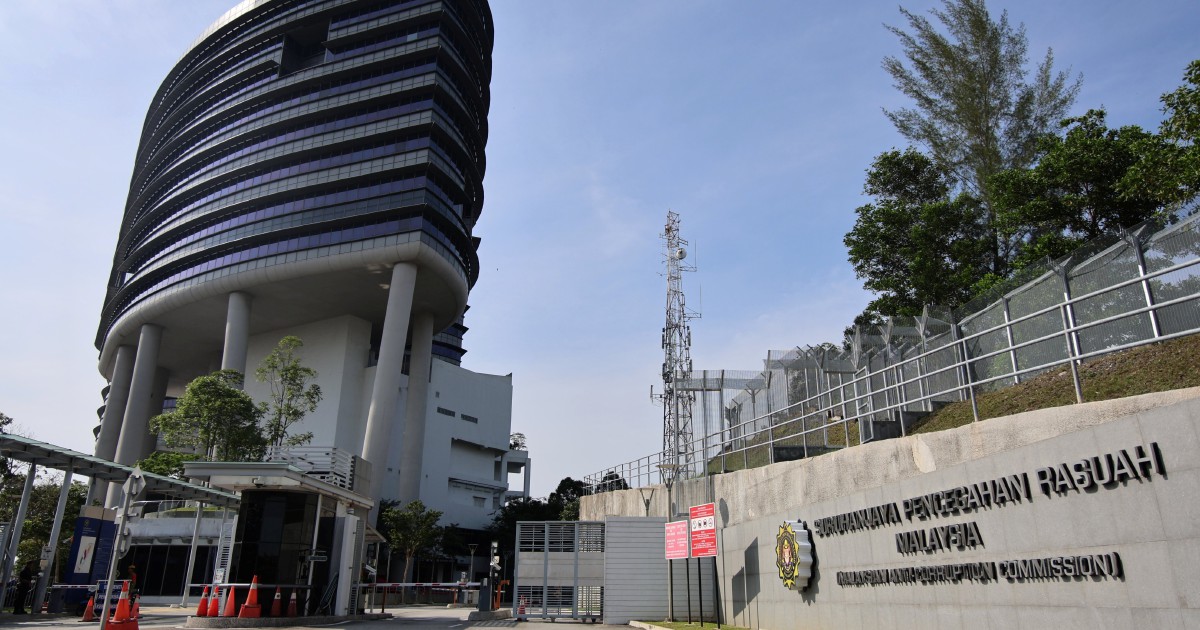
Datuk Azmi Ahmad, the group managing director and chief executive officer of Alam Maritim Resources Bhd, has been released from custody by the Malaysian Anti-Corruption Commission following the conclusion of his remand period. The development marks a significant moment for the Kuala Lumpur-listed maritime services company, which operates across various sectors including oil and gas support services and offshore engineering.
The release follows a detention that had drawn attention to governance concerns within the maritime and transportation sectors, sectors that remain vital to Malaysia's economic framework and regional standing. Alam Maritim Resources, which maintains operations across Southeast Asia and beyond, is a notable player in the offshore services industry that supports petroleum exploration and production activities in the region.
The MACC detention represents the latest in an ongoing series of high-profile investigations into corporate conduct within Malaysia's business landscape. These inquiries underscore the anti-corruption commission's sustained efforts to examine potential irregularities at senior management levels across key industries, reflecting broader global trends toward enhanced corporate accountability and governance standards.
For investors and stakeholders in Alam Maritim, the release signals a potential transition from the investigative phase, though the outcome of any formal charges or further actions remains subject to ongoing legal proceedings. The timing of his discharge from remand provides the company with some clarity regarding its leadership continuity, an important factor for operational stability and market confidence.
The maritime services sector, of which Alam Maritim is a constituent, plays a crucial supporting role in Malaysia's energy infrastructure. These companies provide essential services including vessel operations, logistics support, and technical expertise to upstream petroleum operations. Any disruption at the leadership level of significant players within this sector can reverberate through supply chains and project timelines across the region.
The case also underscores the evolving landscape of corporate oversight in Southeast Asia, where regulators have intensified focus on business practices at major corporations. Malaysia's MACC, alongside peer institutions across the region, has demonstrated commitment to rigorous investigation of alleged misconduct, sending a message to corporate leadership about expectations for transparency and ethical conduct.
Azmi Ahmad's release does not necessarily indicate closure of the investigation or resolution of any allegations. MACC inquiries often proceed through multiple stages, including forensic examination of records, testimony from witnesses, and consultation with prosecutorial authorities. The commission's mandate extends to determination of whether any offences under anti-corruption legislation have occurred, a process that typically unfolds over extended timeframes.
For Alam Maritim's shareholders and business partners, the situation presents both uncertainty and opportunity. While leadership transitions can create short-term volatility, they may also prompt necessary governance reforms and strengthen internal control mechanisms. The company's ability to navigate this period while maintaining operational excellence will likely influence investor perception and commercial relationships.
The broader implications for Malaysia's business environment merit consideration. Intensive anti-corruption enforcement, when applied consistently and fairly, can enhance market confidence and attract capital seeking jurisdictions with robust governance standards. However, uncertainty around timelines and outcomes can also create hesitation among potential investors and partners assessing risk profiles.
Regional observers have noted that Southeast Asian nations increasingly employ anti-corruption mechanisms as tools for ensuring corporate compliance with international standards. Malaysia's approach, reflected in cases such as this, aligns with global expectations for transparency in company operations and accountability of senior management figures. This convergence toward stricter standards may reshape competitive dynamics within maritime and offshore sectors.
The maritime industry's importance to Malaysia's economy extends beyond direct corporate revenues. These services enable oil and gas production, facilitate port operations, and support regional trade flows. Maintaining confidence in sector governance therefore carries implications for broader economic performance and regional positioning.
Looking forward, the outcome of investigations and any subsequent actions will likely prompt Alam Maritim to reassess internal structures, reporting mechanisms, and compliance frameworks. Sector-wide ripple effects may encourage other maritime services companies to undertake parallel governance reviews, potentially elevating operational standards across the industry. The situation reflects ongoing global momentum toward stricter corporate accountability, a trend likely to accelerate as regulatory agencies across Southeast Asia strengthen their enforcement capacity and coordination.
The release of Azmi Ahmad from MACC remand represents a procedural milestone rather than a conclusive resolution, marking the transition from custodial interrogation to the subsequent phases of investigation and potential prosecution. For Alam Maritim and the maritime sector more broadly, the coming weeks and months will prove crucial in determining both the company's trajectory and broader implications for corporate governance standards in Malaysia.

