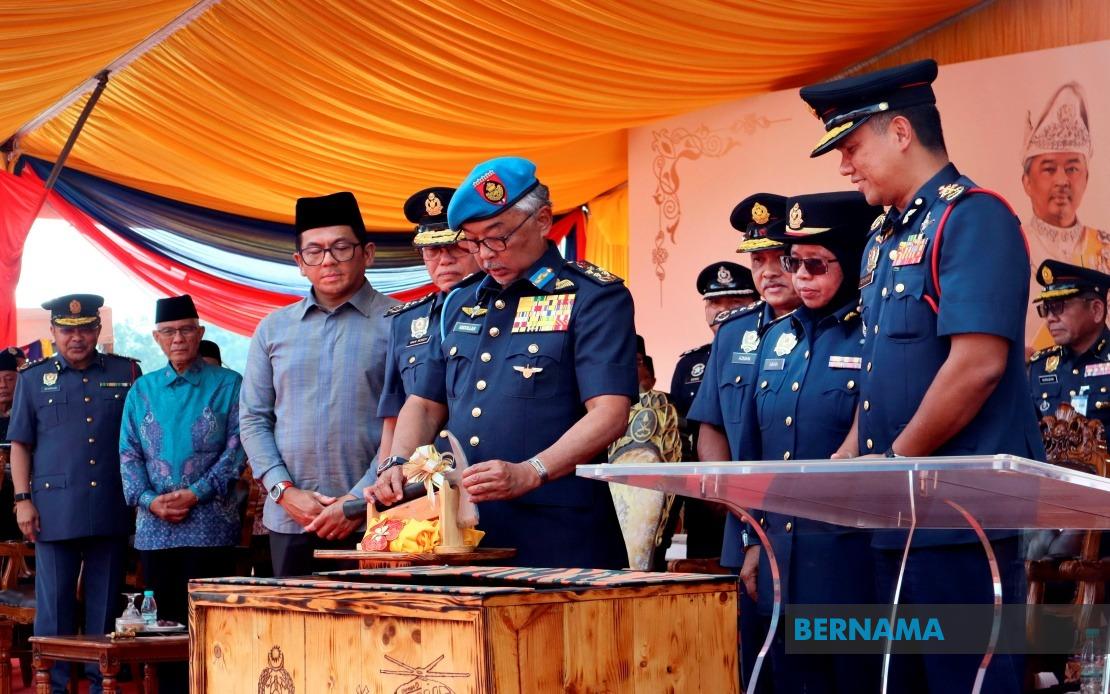
The Sultan of Pahang, Al-Sultan Abdullah Ri'ayatuddin Al-Mustafa Billah Shah, has publicly acknowledged the collaborative efforts of federal and state authorities in channelling significant resources towards development initiatives across the state, with particular emphasis on flood prevention and disaster management capabilities. Speaking at the opening ceremony of the Sungai Lembing Fire and Rescue Station in Kuantan on July 2, His Royal Highness highlighted the importance of sustained infrastructure investment in protecting the wellbeing of Pahang's residents and neighbouring communities.
Flood mitigation emerged as a primary concern during the royal address, reflecting the persistent vulnerability of several districts to seasonal inundation. Sungai Lembing, located within the Kuantan district, was specifically identified as a critical early-warning indicator for broader flooding risks across the region during monsoon periods. The area's position in the flood cycle makes it strategically important for understanding and predicting broader hydrological challenges affecting the state. Investment in protective infrastructure at this location carries significance beyond the immediate community, as conditions there often presage more widespread water management challenges downstream.
Al-Sultan Abdullah expressed particular appreciation for the substantial financial commitments required to implement comprehensive flood defence measures across Pahang's diverse geography. His acknowledgment of the expenditure involved underscores the economic burden of maintaining adequate disaster prevention infrastructure, a reality that resonates throughout Southeast Asia as nations grapple with increasingly erratic weather patterns and urbanisation pressures. The royal statement suggests recognition of the competing budgetary demands facing both state and federal administrations, while affirming the priority attached to safeguarding citizens from natural hazards.
In a directive with immediate operational implications, the Sultan ordered that waterways adjacent to populated areas undergo deepening to enhance drainage capacity during periods of intense rainfall. This instruction represents a pragmatic engineering response to recurring flood incidents, though such projects typically require substantial planning, environmental assessment, and coordination between multiple government agencies. The directive carries particular weight given the royal prerogative and the likelihood of accelerated implementation following such an explicit command from the reigning monarch.
The gathering at the fire station inauguration brought together senior political figures including Pahang Menteri Besar Datuk Seri Wan Rosdy Wan Ismail, Deputy Housing and Local Government Minister Datuk Aiman Athirah Sabu, and Deputy Economy Minister Datuk Mohd Shahar Abdullah, who also serves as the Paya Besar Member of Parliament. This convergence of state and federal representatives highlighted the inter-governmental coordination required to execute major infrastructure programmes effectively across Malaysian administrative structures.
Beyond flood mitigation, Al-Sultan Abdullah paid tribute to the personnel of the Fire and Rescue Department, acknowledging their hazardous and demanding responsibilities across multiple emergency categories including structural fires, road accidents, and natural disasters. His recognition of their daily contributions reflected awareness of the psychological and physical toll associated with frontline emergency services, which operate continuously regardless of weather conditions or resource constraints. The Sultan's regular monitoring of their activities through daily updates suggests active engagement with operational realities faced by emergency responders.
The royal commitment to continued presence at emergency sites and disaster scenes demonstrates a deliberate approach to leadership through direct observation and victim support. Al-Sultan Abdullah's stated intention to accompany Fire and Rescue personnel on field operations whenever circumstances permit represents a visible endorsement of their work and reinforces the social contract between the monarchy and public servants engaged in life-saving activities. Such personal involvement carries symbolic importance in Malaysian governance, signalling that no aspect of citizen welfare lies outside the Crown's concern.
A secondary concern raised during the occasion centred on Kampung Bantal in Ulu Tembeling, Jerantut, where the Sultan proposed establishing a volunteer fire brigade to address response time delays inherent in remote settlements. The geographical isolation of such communities creates genuine emergency service gaps, whereby professional responders from centralised stations may require extended travel periods to reach affected areas. This observation highlights the tension between budgetary efficiency and equitable service distribution across dispersed populations, an issue common across Malaysia and the broader region.
The proposal for volunteer-based emergency services in underserved areas aligns with international models where communities supplement professional services through trained civilian participants. Implementation would require careful consideration of liability frameworks, training standards, and equipment provision, yet represents a practical solution to coverage deficiencies where demand does not justify full-time permanent stations. The Sultan's suggestion carries weight that may expedite feasibility studies and pilot programme development within relevant authorities.
From a broader perspective, the Sultan's public statements reflect royal engagement with contemporary governance challenges facing Pahang, specifically the intersection of climate resilience, emergency preparedness, and equitable infrastructure distribution. His acknowledgment of governmental spending priorities validates the significant fiscal commitments required for protective infrastructure whilst simultaneously directing attention towards implementation gaps. The combination of gratitude, directive instructions, and specific problem identification characterises an active monarchical role in shaping development agendas beyond ceremonial functions.
For Malaysian policymakers and regional observers, the Kuantan gathering underscores the continuing relevance of institutional monarchy in driving administrative accountability and focusing bureaucratic attention on identified priorities. The Sultan's remarks regarding Sungai Lembing's hydrological significance and the need for enhanced river capacity across Pahang provide clear mandates for engineering departments and resource allocation bodies. The recognition of emergency services personnel, meanwhile, contributes to public discourse on the sustainability and adequacy of hazard mitigation capabilities across increasingly vulnerable communities.

