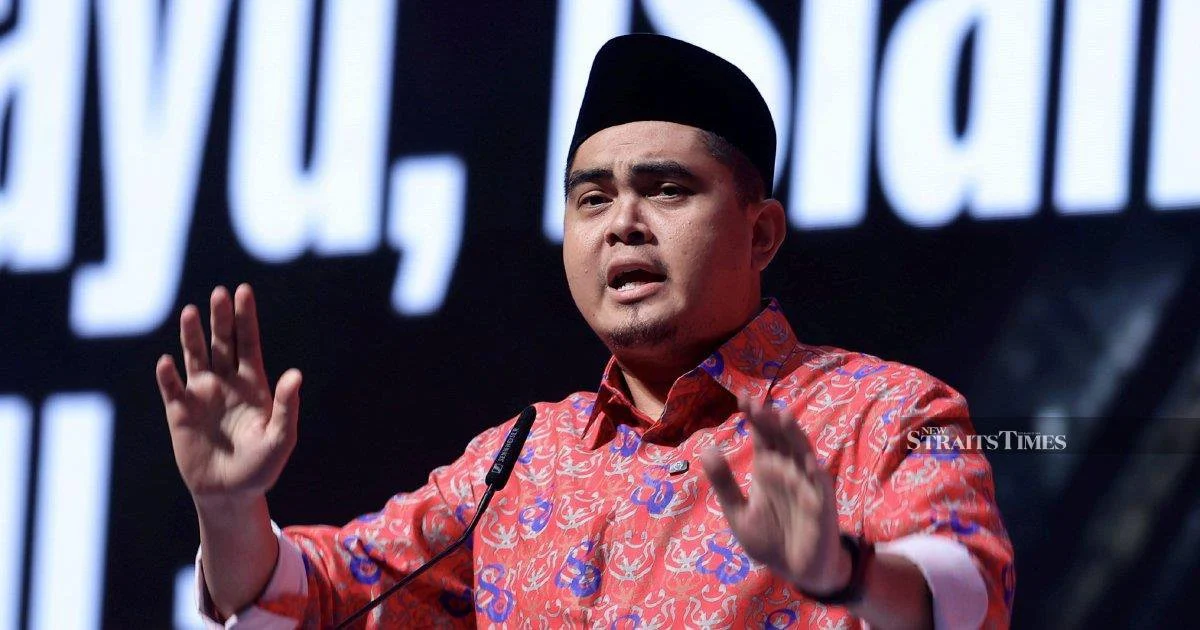
In a pointed jab at the opposition, Umno Youth chief Datuk Dr Akmal Saleh has publicly demanded that DAP deputy chairman Nga Kor Ming make good on his earlier undertaking to step down following Barisan Nasional's dominant performance in the Johor state election. The Umno Youth leader's call represents the latest escalation in post-election tensions between the ruling coalition and the beleaguered Democratic Action Party, which faced a significant setback at the polls.
Akmal's intervention signals mounting pressure within BN ranks for opposition figures to demonstrate accountability following electoral commitments they made prior to the voting. The Umno Youth chief's challenge touches on a critical aspect of Malaysian political culture, where senior opposition figures have occasionally pledged to resign if their parties fail to meet predetermined electoral targets. Such pledges serve multiple purposes in the Malaysian political ecosystem, ranging from demonstrating confidence in party performance to staking personal credibility on electoral outcomes.
The context surrounding Nga Kor Ming's original pledge remains important for understanding the current political dynamics. Opposition politicians frequently make such commitments during campaign periods as a means of rallying support and signalling unwavering belief in their party's electoral prospects. However, the gap between making such promises and executing them once election results disappoint has long been a source of public cynicism about political accountability in Malaysia.
Akmal's public reminder of Nga Kor Ming's pledge carries symbolic weight beyond the immediate personalities involved. It reflects broader BN messaging that emphasizes administrative competence and the electorate's validation of the coalition's governance record. The Johor state election results provided BN with a narrative advantage that party leaders are now systematically leveraging across multiple political forums and communication channels.
The Johor election outcome delivered BN a commanding mandate that exceeded most pre-election expectations. This landslide victory has emboldened senior government figures to adopt a more assertive posture toward opposition counterparts. The scale of BN's success has created political space for leaders like Akmal to make such calls without appearing to overreach, given that the electorate has clearly endorsed the coalition's vision.
Denying resignation pledges after electoral defeat presents opposition parties with a difficult political calculation. Honouring such commitments risks removing experienced leaders from their posts and creating leadership vacuums at sensitive moments. Conversely, failing to follow through undermines the credibility of the pledges themselves and feeds into narratives about political opportunism. This dilemma has consistently bedeviled Malaysian opposition politics, where maintaining party stability sometimes conflicts with upholding personal integrity.
For the DAP specifically, the pressure surrounding Nga Kor Ming's potential departure carries additional complications. The party has endured significant losses in recent electoral cycles and faces internal organizational challenges. The loss of a senior and experienced political figure would further weaken the party's ability to mount effective opposition scrutiny and parliamentary representation. Leadership changes under external pressure, moreover, risk creating perceptions that the DAP has been forced into reactive positions rather than pursuing considered organizational strategies.
Akmal's offer to draft Nga Kor Ming's resignation letter, while ostensibly offered in jest, carries a sharper edge as political theatre. The offer underscores the power dynamics currently favoring BN within Malaysian politics and signals that the ruling coalition believes it possesses sufficient electoral validation to make demands of opposition figures. Such bravado typically emerges following decisive electoral victories when governing parties feel particularly emboldened.
The broader implications for Malaysian politics merit consideration. Opposition parties require credible leadership to function effectively as checks on executive power. When political pressure forces the removal of experienced opposition figures, it can inadvertently strengthen ruling parties by reducing the quality and effectiveness of parliamentary scrutiny. This dynamic creates a potential paradox where BN's electoral dominance might ultimately undermine the accountability mechanisms that healthy democracies depend upon.
Regional observers monitoring Malaysian political developments will likely view this episode as emblematic of post-election political consolidation by the ruling coalition. In Southeast Asian contexts where electoral competition remains intense, the capacity of dominant parties to assert pressure on defeated opponents often signals shifting power dynamics and changing political equilibrium. The Johor result and subsequent political manoeuvring therefore warrant attention from analysts tracking Malaysia's democratic institutions and competitive dynamics.
For the DAP, navigating this challenge requires careful calculation about organizational priorities and public perceptions of accountability. The party must weigh the benefits of demonstrating good-faith commitment to political pledges against the practical costs of losing experienced leadership during periods of organizational difficulty. This tension between principle and pragmatism frequently shapes opposition party decisions in post-election periods across the region.
Ultimately, whether Nga Kor Ming chooses to honour his original pledge or remain in his position will send meaningful signals about opposition party culture and the consequences of electoral defeat in Malaysian politics. Either outcome will reverberate through party structures and shape how future opposition figures approach similar commitments. The episode underscores the complex interplay between personal credibility, party loyalty, and political survival that characterizes Malaysian opposition politics during periods of electoral transition.

