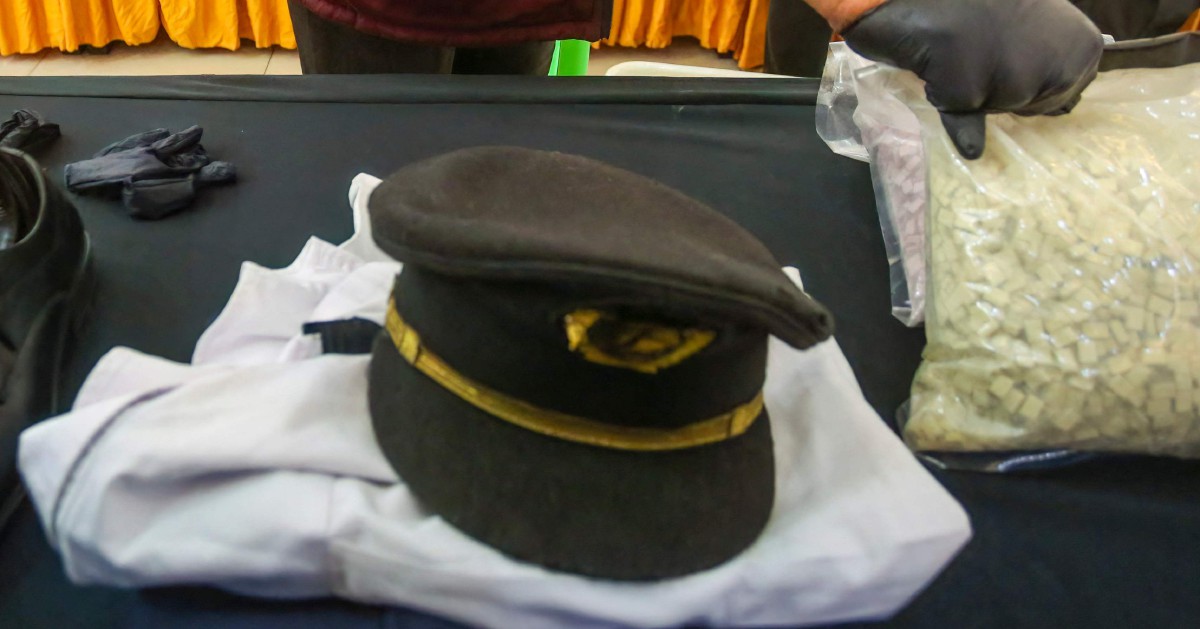
Authorities at the Royal Malaysian Police have zeroed in on an airport employee in his 30s as a key person of interest following allegations that a Malaysia Airlines pilot managed to transport narcotics through security checkpoints at Kuala Lumpur International Airport (KLIA). The development marks a critical turn in the investigation, suggesting potential involvement by ground staff in the security breach that allowed prohibited substances to pass through one of Southeast Asia's major aviation hubs.
The identification of the airport worker underscores how security lapses at major transportation facilities can occur through internal complicity. KLIA, as Malaysia's primary international gateway and one of the region's busiest airports, maintains stringent security protocols designed to prevent exactly this type of incident. The fact that a breach occurred sufficiently serious to warrant a police investigation indicates either significant negligence or deliberate misconduct within the airport's security apparatus.
Investigators are examining how the pilot could have circumvented standard baggage screening and passenger security procedures. International aviation security standards mandate comprehensive baggage scanning and physical inspections for all passengers, including airline crew members who often receive additional scrutiny due to their access to restricted areas. The logistics of moving narcotics through these multiple checkpoints would typically require either failure at several inspection points or active assistance from personnel with insider knowledge of security procedures and vulnerabilities.
The Malaysia Airlines pilot in question is at the centre of parallel investigations by both civil aviation authorities and law enforcement agencies. The airline itself, as a major regional carrier operating hundreds of flights daily, faces reputational implications alongside operational concerns. Any link between airline personnel and drug smuggling threatens public confidence in safety standards and reflects poorly on internal vetting procedures and workplace culture across the aviation sector.
Persons of interest in police investigations occupy an important investigative category—they are neither suspects nor persons under arrest, but rather individuals whose actions, associations, or movements warrant closer scrutiny. In airport security cases, such designations often indicate investigators are mapping out a network of potential involvement rather than focusing solely on one individual's culpability. This suggests the police probe may extend beyond the pilot and the identified airport employee to encompass whether others facilitated or were aware of the suspected smuggling operation.
The investigation's scope likely encompasses KLIA's security division, ground handling operations, and potentially baggage handling departments where drug contraband could be concealed among legitimate passenger luggage. Airport employees in such roles have routine access to secured areas, handling procedures, and critical knowledge about security timings and inspection protocols. Understanding how the breach occurred requires detailed examination of procedures that were followed or omitted on the relevant date.
From a regulatory perspective, this case raises serious questions about personnel screening standards at Malaysian airports. Airlines and airport operators must verify employment backgrounds, conduct ongoing fitness assessments, and maintain strict protocols governing access to sensitive areas. Investigators will likely examine whether proper due diligence was conducted during the airport employee's hiring and whether any warning signs or behavioural changes preceded the alleged incident.
The incident carries implications for Malaysia's standing within international aviation and law enforcement networks. The International Civil Aviation Organization and regional partners monitor security compliance, and any systematic vulnerabilities uncovered could trigger enhanced scrutiny or additional oversight requirements for Malaysian aviation facilities. Conversely, swift investigation and appropriate enforcement demonstrate commitment to aviation security standards.
From the perspective of Malaysian travellers and businesses, the case illustrates ongoing challenges in combating organized drug trafficking through major transportation nodes. Southeast Asia remains a transshipment hub for narcotics destined for global markets, with trafficking organizations continuously adapting methods to exploit vulnerabilities. The involvement of aviation personnel suggests smuggling networks are actively recruiting inside airport workers and airline staff who can facilitate contraband movement.
The investigation will likely produce charges against the pilot and potentially the airport employee once sufficient evidence accumulates. Authorities typically pursue both trafficking charges and separate offences related to smuggling methods and conspiracy depending on the degree of premeditation and coordination involved. Penalties in Malaysia for drug-related offences remain severe, reflecting the government's firm stance on narcotics trafficking.
Beyond the immediate criminal investigation, KLIA's operational leadership faces pressure to conduct comprehensive security audits. Such reviews typically examine whether protocols were properly implemented, whether supervisory oversight functioned effectively, and whether any systemic weaknesses allowed the suspected breach to occur. Corrective measures may include enhanced monitoring of baggage handling areas, increased random inspections, and stricter access controls for certain personnel categories.
The case underscores a critical vulnerability in aviation security—the insider threat. While sophisticated scanning technology and physical barriers form important defences, no system remains completely secure when trusted employees become compromised through financial incentive, coercion, or organized crime connections. As investigations continue, authorities will seek to understand whether this represents an isolated incident or evidence of broader corruption within airport security operations.

