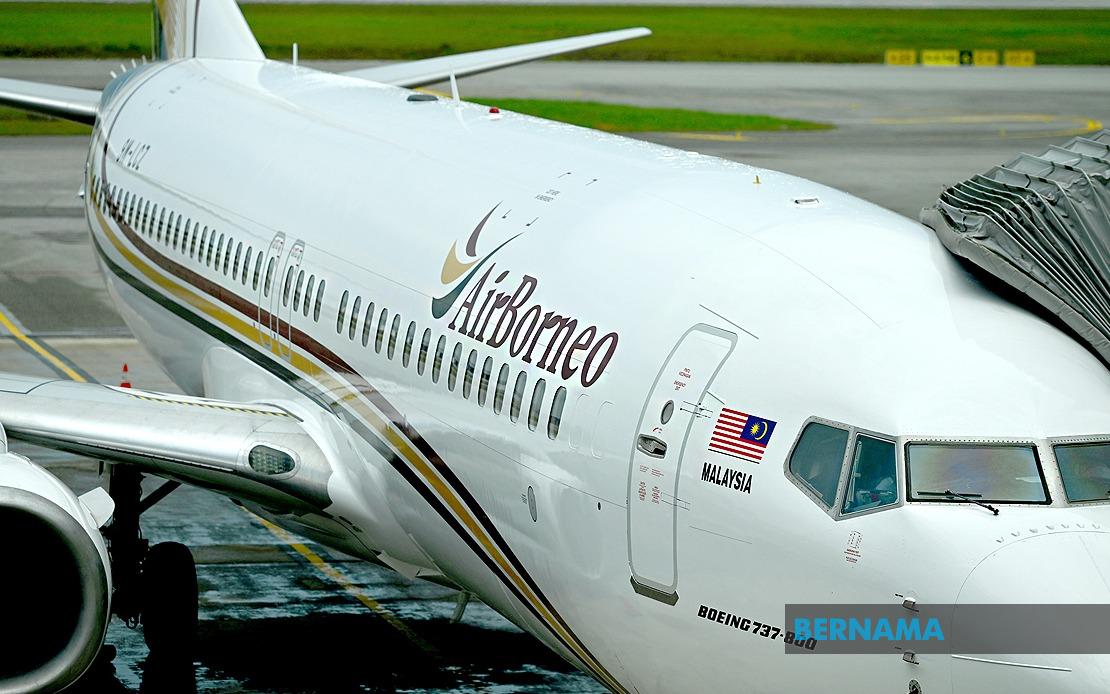
AirBorneo has issued a formal apology following a significant delay affecting passengers on Flight MY5004, which was scheduled to travel from Kuala Lumpur to Kuching. The Sarawak-based airline attributed the disruption to technical difficulties that required resolution before the aircraft could safely depart. The flight eventually left at 7.30 pm, several hours behind schedule, leaving many travellers inconvenienced during their journey to the East Malaysian state.
In its statement released on July 20, the airline emphasized that passenger safety remains its paramount concern and that all necessary technical checks were completed before the aircraft was cleared for departure. This messaging aligns with industry-wide protocols that prioritize mechanical integrity over punctuality, a principle that most aviation authorities and safety organizations endorse, though it does little to ease the frustration of delayed travellers.
The incident highlights ongoing operational challenges facing regional Malaysian carriers as they navigate the balance between maintaining rigorous safety standards and meeting passenger expectations for reliable scheduling. AirBorneo, which serves the Sarawak market and broader Borneo region, faces particular pressure in this regard given its role in connecting the East Malaysian state to the Klang Valley and other key domestic hubs.
During the extended delay, AirBorneo's ground staff worked to manage passenger experience by providing regular communications about the situation and its status. The airline distributed meals and refreshments to those affected, a standard practice in such circumstances that helps mitigate customer dissatisfaction during extended waits. Beyond food provision, the carrier's team offered assistance to travellers, particularly those with tight connecting flights or time-sensitive commitments.
For Malaysian business travellers and tourists regularly using the Kuala Lumpur-Kuching route, such disruptions carry genuine consequences. The route is heavily trafficked by corporate personnel, government officials, and leisure visitors, making reliability crucial for the airline's reputation and customer retention. A single significant delay can trigger cascading problems for passengers with onward connections or important meetings in Sarawak.
AirBorneo's explicit gratitude to passengers for their patience and cooperation suggests that the delay testing public goodwill, though the airline's proactive communication and passenger support measures likely prevented more severe reputational damage. Airlines operating in Southeast Asia have increasingly recognized that transparent communication during disruptions often determines whether frustrated customers return for future travel or switch to competing carriers.
The apology represents a straightforward acknowledgement of service failure, even as the airline frames it as unavoidable given safety imperatives. This positioning is defensible from a regulatory standpoint, as Malaysian aviation authorities fully support delaying departures rather than risking technical malfunctions mid-flight. However, the incident underscores broader questions about maintenance scheduling and pre-flight inspection protocols that should ideally catch such issues before passengers board.
For the broader Malaysian aviation sector, the MY5004 incident serves as a reminder of the operational pressures facing domestic carriers competing in an increasingly crowded market. Regional airlines must simultaneously invest in aging aircraft maintenance, recruit and retain qualified technical staff, and maintain competitive pricing, a balancing act that occasionally results in service disruptions.
AirBorneo's reiteration of its commitment to safety standards and reliable service delivery suggests the carrier recognizes the reputational stakes involved in domestic aviation. As Sarawak's homegrown carrier, the airline carries particular significance for the state's economic interests and connectivity aspirations. Any sustained pattern of delays could impact its market position relative to larger competitors like Malaysia Airlines and AirAsia.
The incident also reflects wider regional connectivity challenges. The Kuala Lumpur-Kuching route remains economically important despite competition from budget carriers, and reliability on this corridor matters significantly for business confidence and tourism development in Sarawak. Technical delays, while sometimes unavoidable, accumulate over time into perceptions of unreliability that can shift passenger behaviour.
Moving forward, AirBorneo's handling of this incident—prompt apology, passenger support, and transparent communication—provides a template for managing disruptions constructively. Whether the airline implements additional safeguards to prevent similar technical issues remains unclear, though passengers would reasonably expect enhanced preventive maintenance measures following such disruptions.
The MY5004 delay ultimately illustrates the ongoing tension in regional aviation between operational realities and customer expectations. While AirBorneo's commitment to safety is unquestionable and appropriate, the airline's broader challenge lies in preventing technical issues from reaching the point where costly delays become necessary. For Malaysian travellers, the experience underscores the importance of building flexibility into travel plans when using domestic carriers navigating Southeast Asia's competitive and sometimes unpredictable aviation environment.

