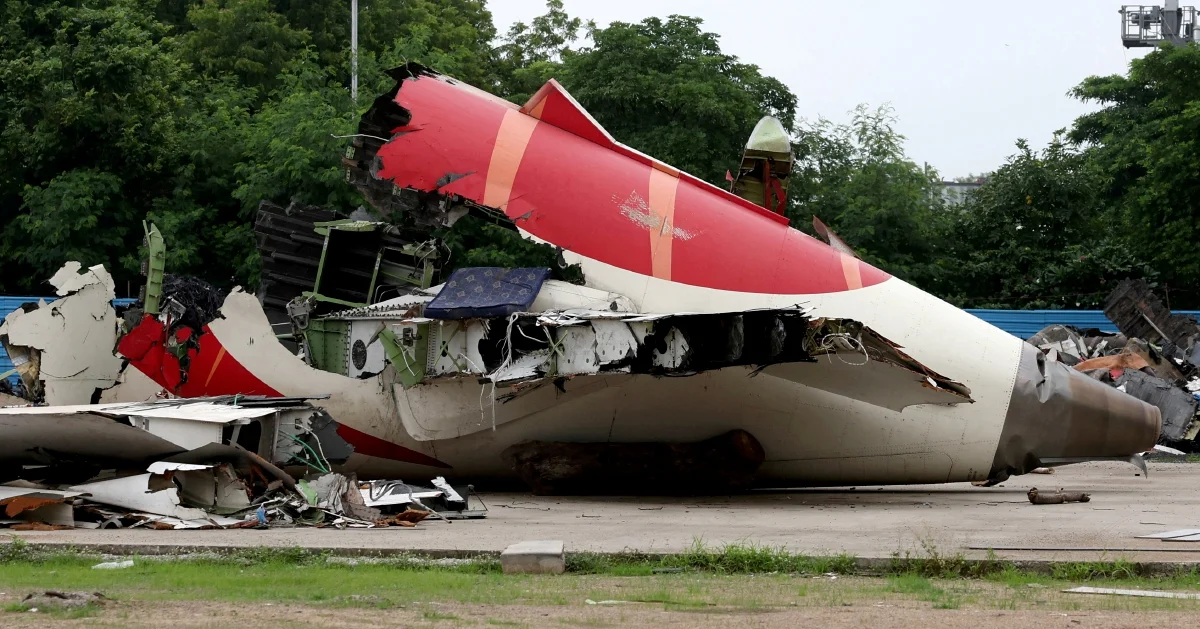
The investigation into last year's Air India crash has progressed significantly, with India's aviation safety authority now in the final phases of its comprehensive inquiry, court documents have revealed. The Aircraft Accident Investigation Bureau has assembled a complete transcript of the cockpit voice recorder and commissioned a psychological evaluation as part of its methodical examination of the incident that claimed multiple lives.
The advancement of the investigation through these critical analytical phases represents a substantial step toward understanding the sequence of events and causal factors that contributed to the disaster. By completing the transcription of all cockpit communications, investigators now have a detailed chronological record of the flight crew's conversations and actions during the incident. This material forms the documentary backbone of modern aircraft accident investigations, providing authorities with insights into crew coordination, decision-making processes, and how the crew responded to developing problems.
The psychological autopsy component of the investigation reflects contemporary investigative methodology, which examines the mental state and psychological condition of key personnel. Such evaluations can reveal whether fatigue, stress, medical conditions, or other psychological factors may have influenced the crew's performance during the critical events leading to the accident. This assessment represents a departure from purely mechanical and technical analyses, acknowledging that human factors remain significant in aviation incidents despite advances in aircraft automation and safety systems.
For Malaysian aviation safety professionals and regulators, the Air India investigation offers instructive lessons about the comprehensive nature of modern accident investigations. The methodology employed—combining technical data, voice communications analysis, and psychological assessment—reflects international best practices established by organisations like the International Civil Aviation Organisation. Malaysia's own Civil Aviation Authority maintains similar investigative capabilities for incidents within Malaysian airspace and maintains coordination with regional safety bodies to ensure consistent standards across Southeast Asia.
The movement toward the investigation's conclusion carries implications for the Indian aviation industry and regulatory framework. The findings will likely inform safety recommendations affecting not only Air India operations but potentially the broader aviation sector. Similar accidents in the region have historically led to equipment upgrades, procedural modifications, and enhanced training protocols across multiple carriers.
The fact that investigations can span extended periods reflects the rigorous standard to which accident probes are held. Unlike criminal investigations constrained by statute of limitations, aviation accident investigations continue until all available evidence has been examined and analysed. The timeline suggests that despite the investigation's duration, thoroughness remains the priority, ensuring that any recommendations emerging from the process rest on solid evidentiary foundations.
Southeast Asian aviation observers recognise that major accident investigations serve an industry-wide safety function. Findings from prominent carriers like Air India circulate through ICAO channels and professional networks, reaching accident prevention specialists throughout the region. This information-sharing mechanism has contributed to the region's generally improving aviation safety record over the past two decades, as lessons learned in one jurisdiction become implemented across borders.
The completion of the cockpit voice recorder analysis likely required careful transcription of potentially degraded audio recordings and expert interpretation of technical jargon and rapid communications. Such transcripts often run hundreds of pages and require specialist linguists and aviation professionals to accurately convert audio into written form while preserving nuance and context. The psychological review would have involved assessment of available medical records, interviews with colleagues, and examination of the personnel records of the crew members involved.
With these fundamental investigative elements now in place, the bureau's next steps will likely involve drafting preliminary findings and preparing formal conclusions about the probable causes of the accident. The investigation's entry into its final stages suggests that authorities are consolidating evidence, ensuring that all evidence has been properly analysed, and preparing to formulate the safety recommendations that represent perhaps the most important deliverable of any accident investigation—the actionable insights that prevent future incidents.
The approaching conclusion of this investigation will be of particular interest to Malaysian carriers and flight crews who operate similar aircraft types in comparable regional airspace and weather conditions. The safety recommendations emerging from this probe may influence operational procedures, maintenance protocols, or training curricula across Southeast Asian aviation operators. As the region continues to experience growth in air traffic, ensuring that lessons from incidents are rapidly integrated into operational practice remains essential for maintaining the safety standards that the region's travelling public depends upon.

