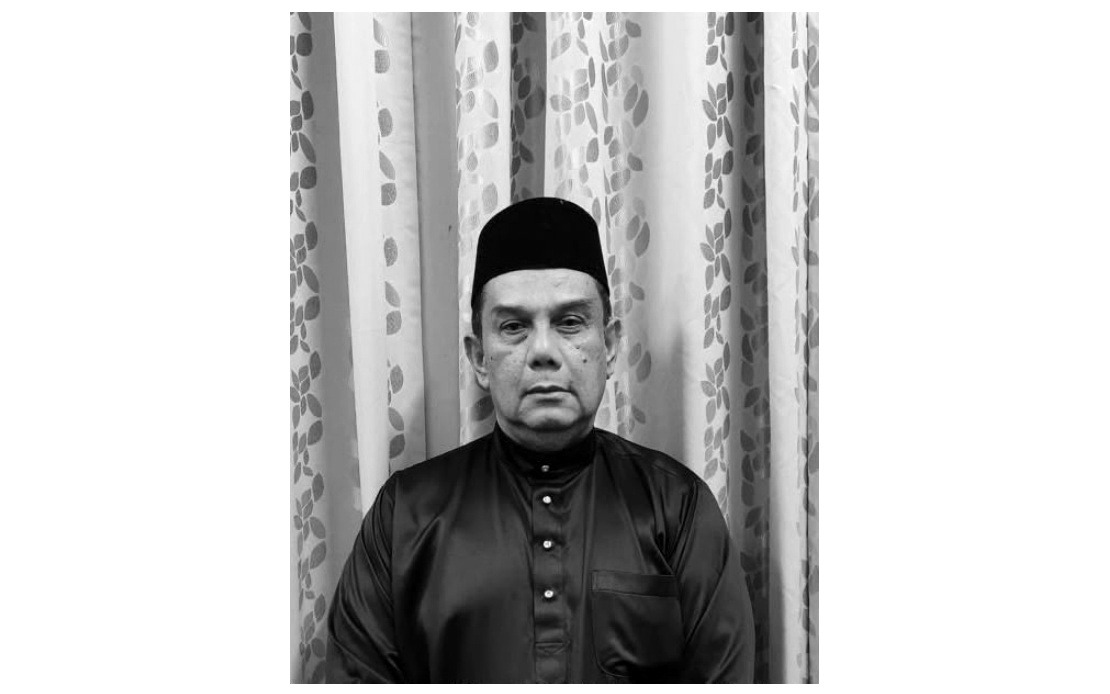
Datuk Jailani Harun, a seasoned journalist and key diplomatic aide to UMNO president Datuk Seri Dr Ahmad Zahid Hamidi, died at Hospital Serdang in Kuala Lumpur on Wednesday morning. He was 62. The respected political liaison officer passed away at 11.34 am, with confirmation of his death coming through official channels including the Office of the Deputy Prime Minister and his immediate family. His eldest daughter, Nabilla, 33, confirmed the news to national media outlets.
Jailani's career spanned decades in Malaysian journalism and political communications, positioning him as an influential figure within UMNO's inner circles. In his role as diplomatic officer to the ruling party's president, he served as a crucial bridge between senior party leadership and the media, handling sensitive political communications and international relations matters affecting the party. His institutional knowledge and relationships across Malaysia's political establishment made him a fixture in high-level party operations for many years.
Funeral arrangements have been finalized according to Islamic tradition. His body was transported to Al-Mubarakah Mosque in Taman Bukit Cheras, where funeral prayers were conducted. Following the service, Jailani was laid to rest at Alam Damai Cheras Cemetery after Asar prayers, allowing family members, colleagues, and associates from Malaysia's political circles to pay their final respects.
The passing has prompted official expressions of condolences from government leadership. Communications Minister Datuk Fahmi Fadzil released a public statement extending sympathy to Jailani's family and loved ones, acknowledging the gravity of their loss. In his statement, Fahmi offered prayers for patience and strength for those grieving, while also invoking religious sentiments by calling for divine mercy upon the deceased's soul and requesting that he be counted among the righteous in the afterlife.
Jailani's death represents a significant loss within UMNO's communications and diplomatic infrastructure at a time when the party faces evolving political dynamics in Malaysia. Those who worked closely with him over the years regarded him as a skilled operator capable of navigating complex political narratives and managing relationships across competing factions. His experience bridging journalism and politics gave him unique credibility in environments where media relations and political messaging intersected.
The journalist's background in media provided him with deep contacts throughout Malaysia's news industry, which proved invaluable in his diplomatic role. During his journalism career, Jailani would have developed an understanding of how stories shaped political perception and how information flowed through official and unofficial channels. This expertise translated into his effectiveness as a communications strategist for one of Malaysia's most powerful political figures.
Jailani's tenure with Ahmad Zahid came during a particularly eventful period for the UMNO president, who has navigated significant legal and political challenges in recent years. Throughout this period, Jailani maintained a relatively low public profile while managing critical behind-the-scenes communications. His discretion and loyalty to his principal became hallmarks of his work style, earning him respect even among political opponents who recognized his professionalism.
The loss of experienced political operators like Jailani raises questions about institutional continuity within Malaysia's major political parties. Institutional knowledge held by long-serving aides often proves difficult to replace quickly, particularly in roles requiring established relationships with media figures, international contacts, and political networks. His departure will necessitate adjustments within Ahmad Zahid's immediate office.
For Malaysia's political observers, Jailani's death marks the end of an era for someone who had witnessed and participated in major political events spanning multiple decades. His career coincided with transformative periods in Malaysian politics, from the Mahathir era through subsequent administrations, giving him a historical perspective on how political communication strategies had evolved. This perspective made him a valuable asset to anyone seeking to understand Malaysia's political machinery from an insider's viewpoint.

