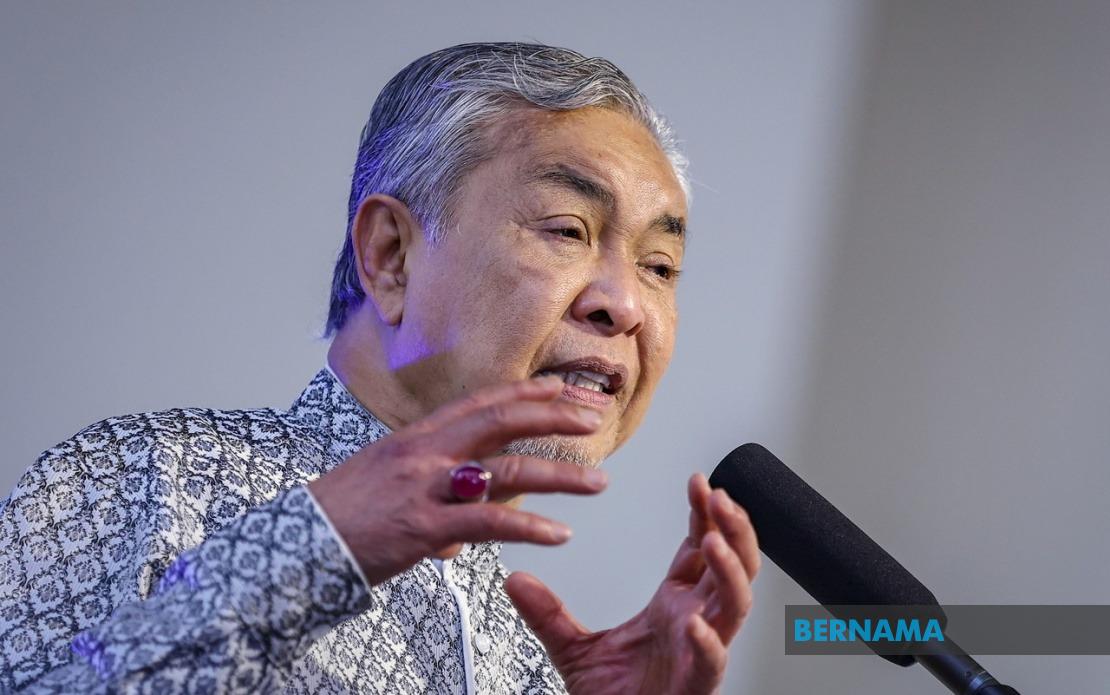
With polling day for the 16th Johor state election looming on July 11, Barisan Nasional chairman Datuk Seri Dr Ahmad Zahid Hamidi has made a pointed appeal for political maturity, asking all contesting parties to shelve historical grievances and concentrate instead on articulating their visions for the state. Speaking after attending a community programme in the Kempas constituency, the Deputy Prime Minister expressed concern that recycling old controversies could undermine the quality of public debate and damage working relationships among parties that function as partners at the federal level.
Ahmad Zahid's remarks appear to address concerns within the BN coalition that opposition groups may resort to personal attacks and historical allegations against UMNO and its allies as campaign tactics. He acknowledged that certain individuals have indeed directed criticism at the ruling coalition by dredging up past issues, but argued that such an approach runs counter to the spirit of constructive political engagement. The Deputy Prime Minister suggested that raising contentious historical matters could create awkward situations for leaders who serve together in Cabinet, potentially compromising the functionality of Malaysia's federal government apparatus.
Instead of dwelling on past controversies, Ahmad Zahid contended that the campaign period should prioritize substantive discussions around what individual candidates can deliver to their constituencies and what broader policy platforms offer voters genuine value. This framing positions BN as the party focused on future-oriented governance rather than score-settling. For Malaysian readers following state-level politics, this positioning reflects a broader strategy among ruling coalitions across Southeast Asia to deprioritize accountability debates in favour of forward-looking development narratives.
Interestingly, Ahmad Zahid simultaneously sought to counter perceptions that BN operates with unwarranted confidence heading into the election. The party chairman characterized BN as adopting an underdog mentality, pointing to significant shifts in Johor's political dynamics that demand serious organizational effort and campaign intensity. This recalibration of expectations serves a dual purpose: managing internal party discipline by demanding maximum exertion from candidates and grassroots operatives, while also softening the sting of any electoral setbacks by establishing lowered baseline expectations.
The BN's performance threshold appears to be improvement over the 40 seats secured in the previous state election. However, the electorate composition has shifted substantially, with young voters now constituting more than half of all registered voters in Johor. This demographic transformation carries profound implications for campaign messaging and policy emphasis. Parties that fail to address youth aspirations risk alienating a generation that will shape electoral politics for decades to come.
Menuteri Besar Datuk Onn Hafiz Ghazi's manifesto, as presented by Ahmad Zahid, places considerable emphasis on youth-oriented development priorities. The platform spotlights job creation, skills advancement, and Technical and Vocational Education and Training initiatives as central to BN's offering for younger voters. These pledges directly respond to employment concerns that typically preoccupy young Malaysians seeking economic mobility and financial security in an increasingly competitive labour market.
Ahmad Zahid highlighted recent labour market improvements, noting that unemployment has declined to 2.9 per cent nationally. While this statistic demonstrates macroeconomic progress, he acknowledged that aggregate figures mask deeper structural challenges. Young people across Malaysia frequently struggle to access positions offering adequate remuneration and career progression, even when unemployment rates appear favourable. The gap between job availability and job quality remains a persistent concern for this demographic group.
As Minister of Rural and Regional Development, Ahmad Zahid linked BN's broader government agenda to Johor's specific electoral campaign. He emphasized that technical and vocational pathways represent a viable mechanism for channelling young Malaysians into employment offering competitive wages and long-term stability. This messaging reflects recognition among federal policymakers that Malaysia must transition towards higher-skill, higher-wage employment structures to sustain middle-income status and improve living standards across regions.
The electoral context also matters significantly for understanding Ahmad Zahid's intervention. BN is contesting all 56 seats in the Johor state legislature, representing a comprehensive bid to secure governing control. The competitive intensity of this approach demands that all coalition members maintain party discipline and unified messaging. Premature rehashing of historical accusations could fracture the coalition's unity or distract from policy messaging that party strategists believe resonates with crucial voter segments, particularly younger demographics.
Ahmad Zahid's direct appeal to young voters in Johor frames support for BN candidates as a pragmatic investment in personal future prospects. By emphasizing skills development opportunities and employment outcomes, the campaign seeks to shift electoral calculations away from abstract political preferences toward concrete individual benefit calculations. This utilitarian political framing has become increasingly prevalent in Malaysian campaigns as parties vie for younger voters' allegiance through promises of tangible economic advancement.
The timing of these remarks, roughly one week before polling day, reflects BN's awareness that final messaging carries disproportionate weight in shaping electoral outcomes. By publicly requesting that competitors avoid negative tactics centred on historical grievances, the party positions itself as the advocate for elevated political discourse. Whether this appeal gains traction with Johor voters will become apparent after July 11, but the move signals BN's strategic calculation that policy-focused competition serves the coalition's electoral interests better than a campaign dominated by historical recriminations and personal attacks.

