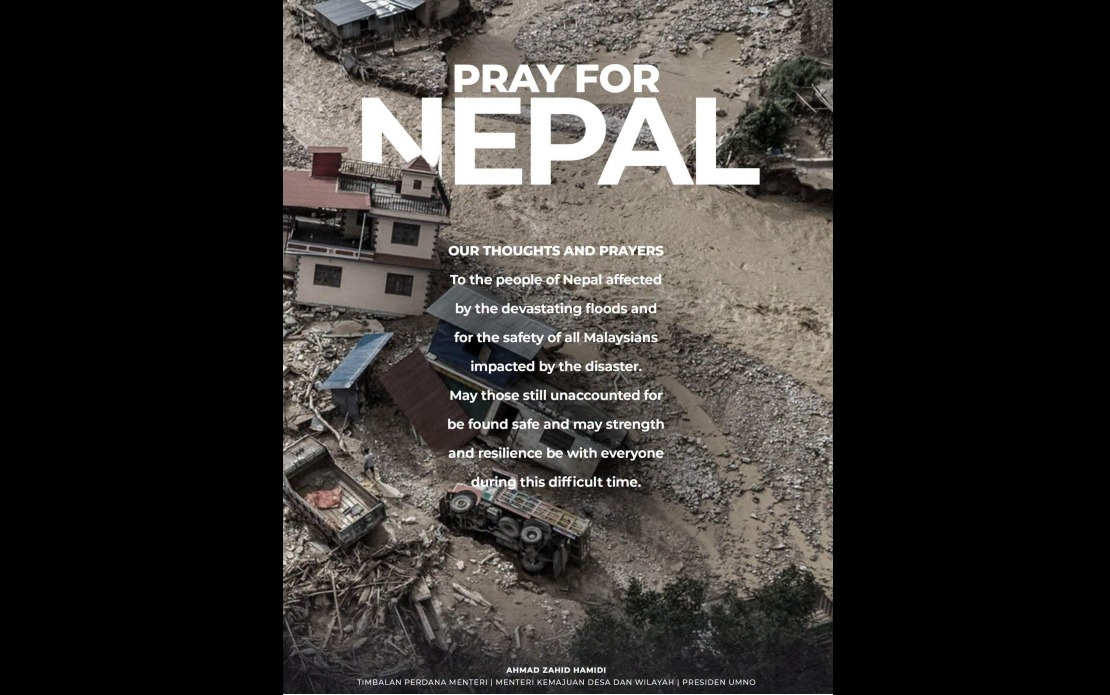
Deputy Prime Minister Datuk Seri Dr Ahmad Zahid Hamidi has expressed profound concern regarding the welfare of Malaysian nationals caught in the devastating flash floods that have swept through Nepal, emphasizing his hope that those unaccounted for will emerge safely and reunite with their loved ones. The statement comes as the death toll from the natural disaster continues to mount, underscoring the scale of the humanitarian crisis unfolding in the Himalayan nation and its implications for the region's citizens abroad.
In his message of solidarity, Ahmad Zahid extended formal condolences to bereaved families who have lost relatives in the calamity, while simultaneously demonstrating Malaysia's empathy towards the Nepali people confronting this unprecedented natural disaster. His remarks reflect the diplomatic balance required of senior government officials when responding to regional crises that affect both foreign populations and host nations simultaneously. The Deputy Prime Minister's statement arrived as rescue and recovery operations continued across affected areas, with emergency responders racing against time to locate missing individuals and provide humanitarian assistance to displaced communities.
Through a Facebook post, Ahmad Zahid articulated the gravity of the situation by acknowledging the multifaceted impacts of the flooding: the loss of life, the displacement of families from their homes, and the extensive destruction of infrastructure and livelihoods across affected regions. His carefully crafted message emphasized that Malaysian concerns extend not only to their own nationals but to the broader humanitarian dimensions of the crisis, including the psychological trauma experienced by families desperately seeking information about missing loved ones. This approach signals Malaysia's commitment to regional stability and humanitarian responsibility during times of natural disaster.
The Deputy Prime Minister specifically directed his prayers towards the efficacy of ongoing search and rescue operations, requesting divine intervention to ease the logistical and physical challenges inherent in locating and extracting individuals from dangerous flood-affected areas. He appealed for accelerated recovery of those remaining in peril, acknowledging that the window for successful rescue operations narrows as environmental conditions deteriorate and resources become strained. His emphasis on operational success reflects understanding of the time-sensitive nature of such emergencies, where hours and minutes can determine outcomes between life and death.
Ahmad Zahid's invocation of strength and resilience for affected families addresses the psychological and emotional dimensions of disaster response, extending beyond immediate physical rescue to encompass the longer-term recovery journey that communities must undertake. This holistic perspective recognizes that natural disasters create cascading challenges: immediate survival concerns give way to trauma, displacement, loss of livelihood, and the complex process of reconstruction. By acknowledging these broader impacts, Malaysian leadership demonstrates awareness of the profound and enduring consequences of such catastrophic events.
According to data compiled by Nepal's tourism authority as of Thursday evening at 5:30 pm local time (corresponding to 7:45 pm Malaysian Standard Time), the confirmed death toll had reached 359 individuals. This figure represents the official tally at that specific reporting moment, though the actual number of casualties and missing persons typically continues to fluctuate as rescue operations progress and additional casualties are confirmed. The magnitude of these numbers places Nepal's recent flooding among the most devastating natural disasters to strike South Asia in recent years, with implications extending throughout the region as news of the catastrophe spreads among diaspora communities and international networks.
The Nepal flooding disaster carries particular significance for Malaysia given the presence of Malaysian nationals within Nepal, whether as tourists, expatriate workers, students, or temporary visitors exploring the region's cultural and natural attractions. The Kathmandu Valley and surrounding areas, popular destinations for Malaysian travelers seeking trekking, cultural immersion, and adventure tourism, have been among the hardest hit regions. This connection underscores the interdependence of regional populations in an era of increased mobility and cross-border engagement, where citizens of one nation find themselves vulnerable to natural disasters occurring in neighboring countries.
Flash floods in Nepal typically occur during monsoon seasons when concentrated rainfall overwhelms river systems and drainage infrastructure, particularly in mountainous terrain where runoff accelerates rapidly downslope. The 2024 flooding represents one of the more significant recent episodes, reflecting both the intensity of meteorological conditions and the vulnerability of Nepal's infrastructure to extreme weather events exacerbated by climate change patterns. The disaster highlights regional challenges in disaster preparedness and early warning systems, issues relevant to all Southeast Asian nations facing similar meteorological and geographical vulnerabilities.
Malaysia's diplomatic response through high-level government figures like the Deputy Prime Minister carries practical implications beyond symbolic gestures. Such statements often trigger engagement with Nepal's government authorities to facilitate identification of Malaysian casualties, locate missing nationals, assist with evacuation or medical treatment, and coordinate repatriation processes. Behind the scenes, Malaysia's Ministry of Foreign Affairs and diplomatic missions would be coordinating closely with Nepali counterparts to establish accurate information about affected Malaysians and activate consular assistance protocols.
The humanitarian dimension of this response reflects broader Malaysian foreign policy emphasizing regional cooperation and mutual assistance during crises. This approach builds diplomatic goodwill, strengthens bilateral relationships, and establishes precedents for reciprocal support should Malaysian territory experience natural disasters affecting foreign nationals. The principle of humanitarian solidarity transcends narrow national interest, positioning Malaysia as a responsible regional actor invested in the welfare of all persons affected by natural calamities, regardless of nationality.
Ahmad Zahid's statement also serves as an important communication channel to Malaysian families potentially affected by the floods, providing official acknowledgment of their concerns and assurance that the government is actively monitoring the situation and working to assist those in Nepal. Such messaging helps manage public anxiety during crisis periods and maintains confidence in governmental responsiveness. The Deputy Prime Minister's articulation of sympathy and resolve communicates that Malaysia's leadership is seized with the matter and remains committed to supporting affected nationals through every phase of the unfolding emergency.

