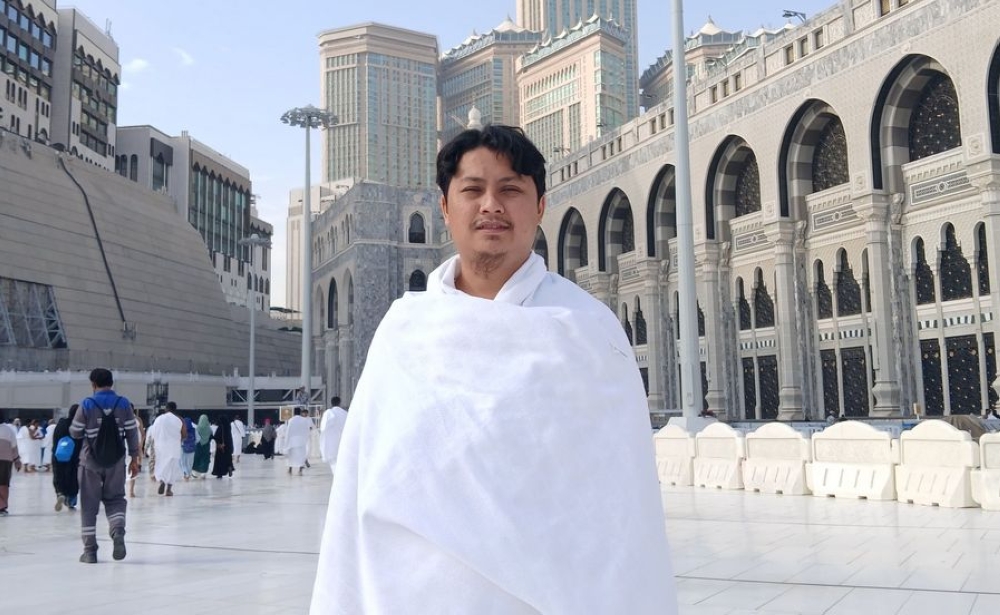
Police in Alor Setar have re-arrested activist Tamim Dahri Abdul Razak after his two-day remand period concluded, marking a continuation of legal proceedings against the prominent campaigner. The re-arrest represents a significant development in what appears to be an ongoing investigation into his activities, with authorities preparing to bring formal charges against him in the coming hours.
Tamim Dahri's initial detention was completed on the day of his re-arrest, indicating that investigators had utilised the full extent of the two-day remand order to gather evidence and conduct interviews. The decision to re-arrest him upon completion of the first remand suggests that the investigating team required additional time in custody to interview the activist or that additional charges were being considered beyond those originally contemplated. This procedural step is common in Malaysian law enforcement when cases involve multiple alleged offences or when investigators need to expand their inquiry.
The timing of formal charges, expected within hours of the re-arrest, indicates that the prosecution has sufficiently compiled its case against Tamim Dahri. Under Malaysian criminal procedure, police must obtain court-approved remand orders to extend detention beyond initial periods, and the transition from remand to formal charge typically signals that investigators have completed their core investigative work. The swift progression suggests a straightforward charging decision without protracted legal wrangling at this stage.
For Malaysian readers and the broader Southeast Asian context, cases involving activist arrests carry significant implications for civil liberties and freedom of expression protections. The circumstances surrounding Tamim Dahri's detention warrant scrutiny regarding the legal basis for his arrest and the specific allegations being pursued. The activist community and civil society organisations across the region typically monitor such cases closely, as they establish precedents for how authorities treat political dissent and advocacy work.
The legal provisions under which Tamim Dahri is being charged remain a crucial matter for public understanding. Different statutory frameworks carry vastly different implications for due process and the scope of permissible protest activity. Whether charges relate to public assembly violations, sedition concerns, or other legislative provisions will significantly influence how the case is received by domestic and international observers, including regional human rights bodies and international legal forums.
Remand procedures in Malaysian practice allow police up to fourteen days in total detention for investigation purposes, though consecutive remand orders require court approval. The decision to deploy a two-day remand initially, followed by re-arrest and fresh remand, reflects standard investigative practice but also illustrates the extended custody periods available to law enforcement in serious cases. Understanding these procedural tools helps contextualise the balance Malaysian law attempts to strike between investigative needs and individual rights protection.
The role of Alor Setar as the location for these proceedings reflects the jurisdictional basis for charges, suggesting the relevant offences either occurred in Kedah or that the investigating police district is headquartered there. This geographical detail matters for trial venue and local legal administration, though charges can be transferred between courts depending on the case's nature and complexity. The choice of jurisdiction and court level will shape the judicial resources applied and the procedural timeline ahead.
Tamim Dahri's status as a recognised activist means his case carries visibility beyond ordinary criminal matters. His profile within civil society networks ensures that charges will be scrutinised by advocacy organisations, legal scholars, and international commentators who assess Malaysian judicial independence and the protection afforded to political expression. This elevated scrutiny creates both pressure and opportunity for the justice system to demonstrate procedural fairness and adherence to rule-of-law principles.
The immediate aftermath of formal charging will prove critical for understanding the prosecution's strategic approach. The specific charges selected, the evidence outlined, and the prosecution's stated case theory will clarify whether authorities view Tamim Dahri's alleged conduct as serious criminal behaviour or whether the case reflects broader concerns about his activism. These distinctions matter enormously for assessing whether the legal system is functioning impartially or whether enforcement patterns suggest selective application of law against political actors.
Looking ahead, the case will traverse the Malaysian court system, potentially involving bail applications, preliminary inquiries, and eventual trial proceedings. Each stage presents opportunities for legal arguments regarding jurisdiction, evidence admissibility, and constitutional protections. The outcome will send important signals about the space available for activist work and political expression in Malaysia, influencing how civil society organisations calibrate their future activities and advocacy strategies.
Regional implications extend beyond Malaysia's borders. Southeast Asian governments and civil society networks view high-profile activist cases as bellwethers for democratic space and legal protections across the region. Malaysia's handling of Tamim Dahri's prosecution will be compared against practices in neighbouring countries and may influence international assessments of the country's human rights record. The transparency and fairness of proceedings will contribute to broader regional conversations about balancing security concerns with fundamental freedoms in developing democracies.

