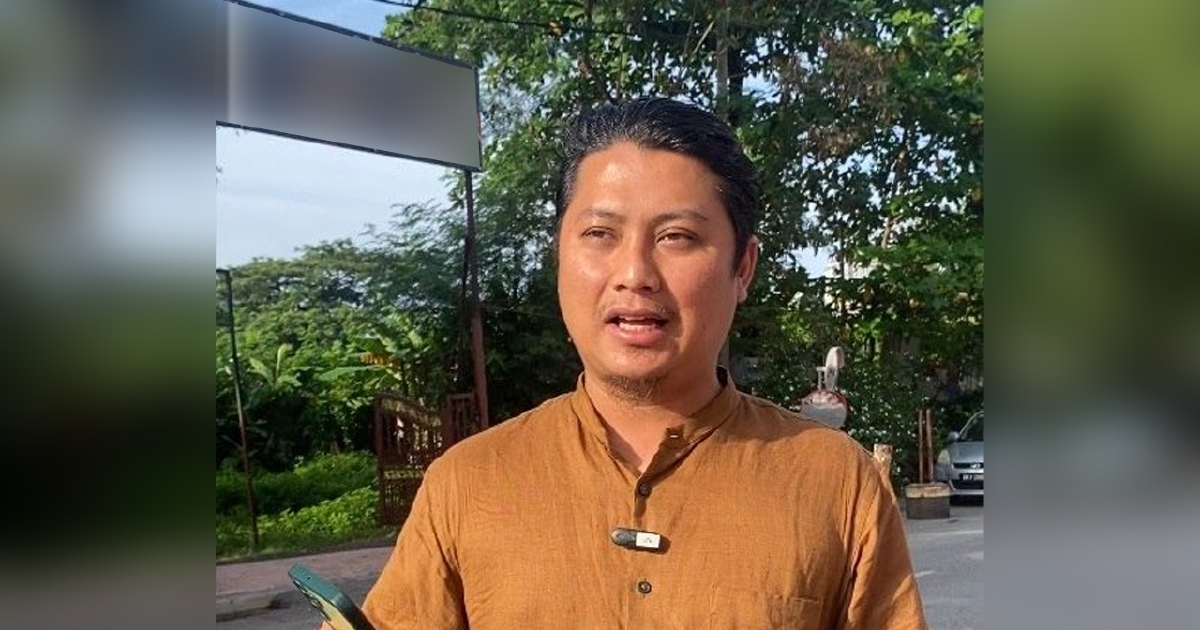
Activist Tamim Dahri Abdul Razak will appear before the Langkawi magistrate's court to answer charges related to allegedly insulting another religion, marking a significant development in multiple legal proceedings against the prominent figure. The case represents a distinct matter from an earlier complaint lodged against him concerning threatening content circulated via Facebook, which had prompted speculation about his whereabouts overseas.
Tamim Dahri gained prominence as an outspoken activist engaged in social and political commentary within Malaysia. His activities have frequently drawn attention from both supporters and critics, making him a polarizing figure in domestic discourse. The accumulation of legal actions against him underscores the contentious nature of his public statements and activism.
The charge involving alleged religious insult carries particular significance within Malaysia's legal and social context. The country maintains constitutional provisions and statutory laws designed to protect the sanctity of different faiths practised across the nation. These protections reflect Malaysia's multicultural and multireligious composition, where careful navigation of interfaith sensitivities forms a cornerstone of social cohesion. Offences falling under provisions that criminalize insults to religion have been applied across the nation with varying degrees of intensity depending on political climate and enforcement priorities.
The timing of this court appearance occurs amid broader national conversations regarding freedom of expression, activism, and the boundaries of permissible public speech. Malaysia has witnessed recurring tensions between those advocating expansive interpretative rights to discuss matters of faith and governance, and enforcement authorities emphasizing compliance with existing legal frameworks. Tamim Dahri's case exemplifies these competing tensions at the intersection of activism and legal boundaries.
Details surrounding the specific allegations remain subject to court proceedings, yet the nature of the charge suggests that conduct or statements attributed to Tamim Dahri were assessed by investigating authorities as crossing established legal thresholds regarding religious respect. Malaysian law enforcement has demonstrated willingness to pursue such cases with particular scrutiny, reflecting official commitment to maintaining interfaith harmony and preventing potential communal friction.
The earlier Facebook threat case that precipitated concerns about Tamim Dahri's possible overseas departure indicates a broader pattern of escalating legal pressure. The emergence of an additional charge suggests that investigative authorities had maintained active interest in his conduct across multiple incidents. This sequential development demonstrates how individuals engaged in controversial activism may face cumulative legal challenges spanning different allegations and jurisdictions.
Langkawi's magistrate's court will serve as the venue for initial proceedings. Malaysia's lower courts handle numerous cases involving statutory offences, including those related to religious sensitivity. The court's determination at this stage will establish whether prosecution proceeds to higher courts or whether alternative resolutions emerge through the judicial process. Magistrate courts typically possess jurisdiction to hear cases and impose sentences within defined parameters.
The broader implications of this case extend beyond the individual defendant. Observers monitoring developments in Malaysian legal jurisprudence, particularly concerning provisions regulating religious speech, will scrutinize how courts interpret and apply relevant statutory provisions. The case may contribute to evolving understandings of what conduct constitutes permissible activism versus actionable insult under existing law.
For Malaysian civil society and activist communities, the proceedings carry relevance to ongoing discussions about operational space available for individuals engaging in public critique and social commentary. The case illustrates practical constraints that activists navigate when articulating views on matters touching on religion, politics, or governance. Understanding how courts apply existing legal provisions helps inform boundaries within which activism operates within the Malaysian context.
Tamim Dahri's legal challenges also reflect broader regional patterns whereby Southeast Asian governments maintain statutory frameworks addressing religious sensitivity and public order. Malaysia's approach aligns with mechanisms employed across several regional neighbours, though specific legislative provisions and enforcement philosophies vary. The case provides insight into how Malaysia specifically manages tensions between expressive freedoms and communal harmony protections.
The accused's appearance before the court will mark a pivotal moment in his legal trajectory. Whether he enters a plea, contests charges, or pursues alternative proceedings will shape subsequent judicial developments. The court's handling of the matter may establish precedential guidance for future cases involving similar allegations, particularly if novel legal questions emerge during proceedings.
As Malaysia continues navigating complex questions regarding acceptable limits of public expression, particularly concerning religion and governance, cases such as this one contribute to developing jurisprudence on these contested boundaries. The outcome may influence how both enforcement authorities and potential defendants assess legal risks associated with particular forms of activism and public speech in future contexts.

