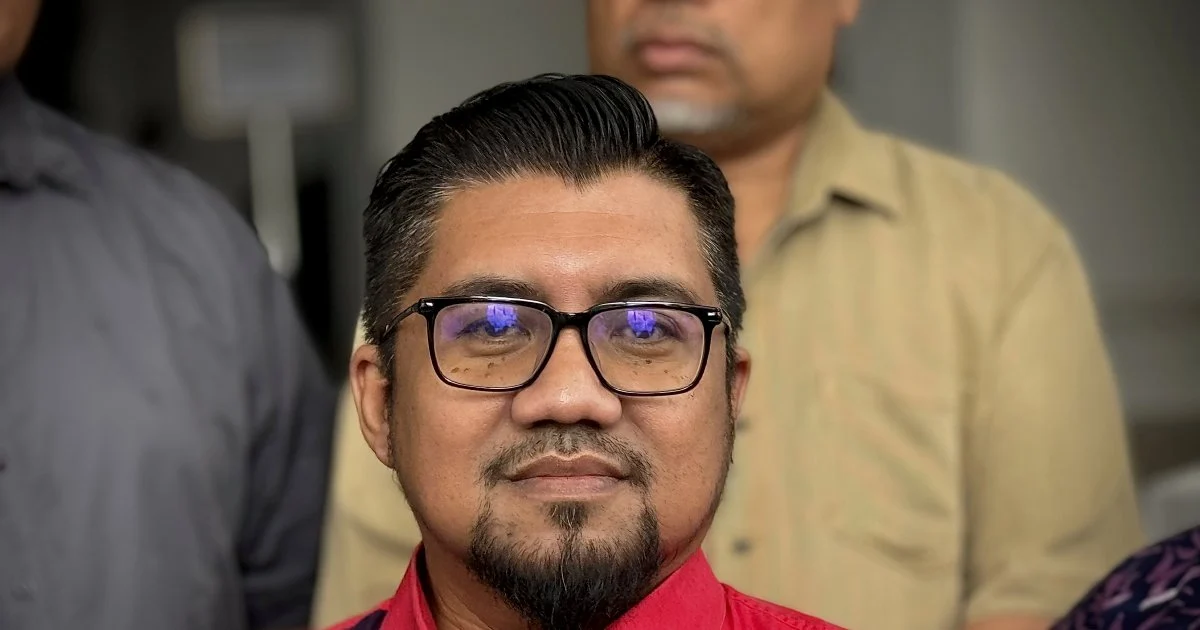
The High Court in Kuala Lumpur has taken the significant step of overturning a previous acquittal and ordering political activist Badrul Hisham Shaharin, known publicly as Che'gu Bard, to mount a defence against defamation charges linked to statements he made concerning His Majesty Sultan Ibrahim, the King of Malaysia. The judicial reversal centres on remarks the activist allegedly made regarding a purported royal audience with political leaders that occurred approximately two years prior to the current proceedings.
This development marks a notable turn in a legal matter that has drawn considerable attention within Malaysia's political sphere and among civil society observers. The original acquittal had suggested a conclusion to the case, but prosecutors successfully argued for its reversal, demonstrating the Crown's commitment to pursuing the defamation charge through the appellate process. The fact that the High Court has now instructed Badrul Hisham to enter his defence indicates the court found sufficient grounds to proceed, rejecting arguments that the case should be dismissed entirely.
The specific nature of the statements in question relates to Badrul Hisham's public comments about what he claimed was a royal audience involving dialogue between His Majesty and various political figures. Such matters touch directly on the sensitive intersection of constitutional monarchy and political commentary in Malaysia's governance structure. The circumstances surrounding such alleged audiences carry significant implications for public discourse, as statements regarding royal interactions can quickly become contentious within Malaysia's particular legal and cultural context.
Badrul Hisham, a seasoned political commentator and activist known for his vocal participation in Malaysian public affairs, now faces the practical challenge of preparing and presenting a substantive defence before the court. The burden will fall on him to demonstrate either that his statements were factually accurate, that they constituted fair comment on matters of public interest, or that other legal defences applicable to defamation cases apply to his situation. His legal team must carefully navigate the complex terrain of free speech protections balanced against provisions protecting the dignity and reputation of the constitutional monarchy.
The defamation provisions in Malaysia carry significant weight in law, and cases involving allegations against members of the Royal Family occupy a particularly sensitive position within the judicial system. The reversal of acquittal itself represents an unusual procedural development that underscores the seriousness with which the prosecution views the matter. This suggests that appellate authorities believed the initial trial court may have been too hasty in acquitting the defendant, or that additional grounds emerged during appellate review warranting a full defence.
For Malaysian civil society and observers of political discourse, this case demonstrates the ongoing tension between protection of individual expression and maintenance of respect for constitutional institutions. The case will likely attract continued scrutiny from media, legal professionals, and those concerned with the parameters of acceptable political commentary in Southeast Asia. The proceedings ahead will potentially establish important precedents regarding what constitutes permissible public discourse about royal matters and political interactions at the highest levels of Malaysian governance.
The timeline of events is particularly relevant, with the alleged statements dating back two years. The extended legal process reflects the complexities inherent in defamation litigation, where multiple rounds of hearings and appeals are standard. Badrul Hisham's supporters argue the case exemplifies potential constraints on public discourse, while prosecutors maintain they are protecting the dignity of the monarchy through appropriate legal mechanisms.
As the case advances to the defence phase, numerous stakeholders remain engaged with its progression. Legal analysts will scrutinise how the defence is mounted and what arguments the court ultimately finds persuasive. The outcome may influence how political commentators and activists calibrate their public statements regarding royal matters, potentially reshaping the acceptable boundaries of political discourse in Malaysia more broadly.
The institutional implications of this reversal extend beyond the individual defendant. It signals that appellate courts remain willing to intervene when they believe trial-level acquittals may have been insufficiently rigorous in their application of defamation law. For other activists and commentators operating in Malaysia's political space, the decision serves as a reminder of the legal vulnerabilities attendant to public statements touching on royal matters, regardless of the activist's intent or factual accuracy of underlying claims.
Badrul Hisham's entry into defence will require him to articulate a comprehensive legal strategy, potentially engaging expert witnesses or documentary evidence to support his position. The coming months will be crucial as both prosecution and defence prepare their respective cases for presentation before the court. The ultimate judgment will likely be carefully studied by media freedom organisations, constitutional law scholars, and political observers throughout Southeast Asia, as Malaysia's handling of such cases often serves as a reference point for regional legal developments.