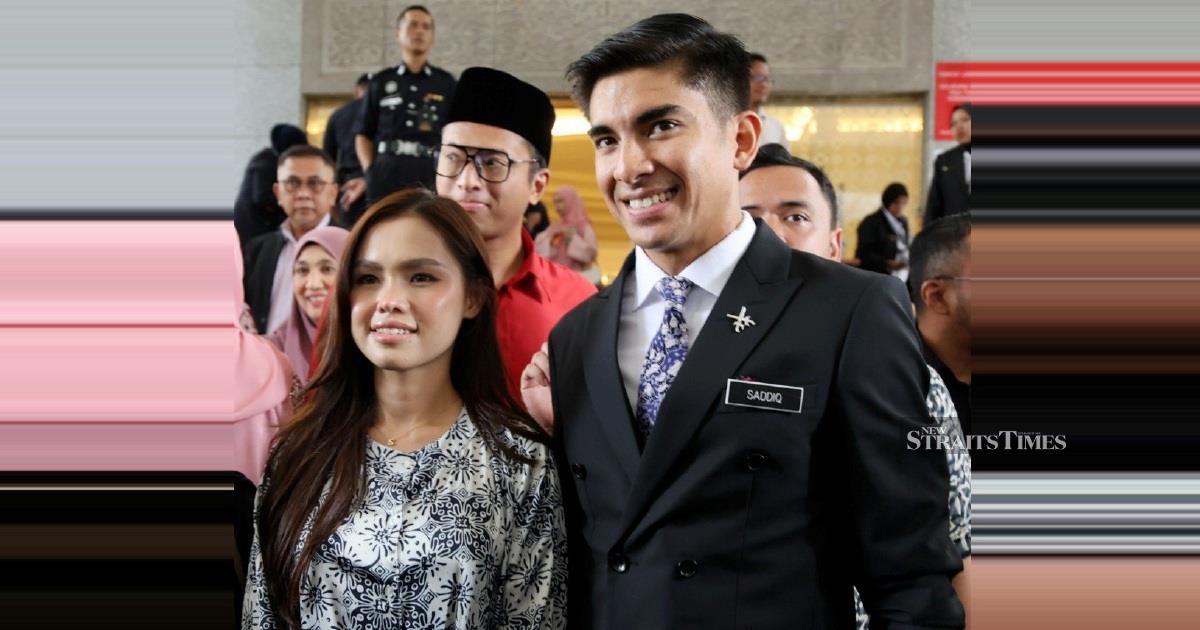
Muar member of parliament Syed Saddiq Syed Abdul Rahman has been making a quiet but meaningful statement through his courtroom attire, consistently choosing to wear neckties given to him by his fiancée, entertainer and singer Bella Astillah. The actress was reportedly touched upon realizing the pattern behind his sartorial choices, discovering that her personal gifts have become part of his routine whenever he faces court proceedings. This understated gesture speaks volumes about the couple's relationship during what are undoubtedly challenging times for the Muar representative.
The decision to incorporate Bella Astillah's gifts into his formal courtroom wardrobe appears to serve as a tangible reminder of personal support and solidarity. For many individuals navigating the legal system, such symbolic connections to loved ones can provide emotional anchoring during stressful proceedings. In Syed Saddiq's case, the repeated selection of these particular ties demonstrates a deliberate choice to maintain that connection while fulfilling his obligations before the courts, transforming an ordinary accessory into something far more significant.
Bella Astillah, known for her work in Malaysian entertainment, has maintained a supportive presence throughout her fiancé's legal challenges. Her discovery of his consistent habit suggests she may not have initially realized how frequently he was wearing the gifts, making the revelation particularly poignant. The gesture reveals the depth of their relationship as they navigate what many public figures face when caught in legal proceedings—balancing personal struggles with public visibility and ongoing parliamentary responsibilities.
Syed Saddiq Syed Abdul Rahman, who represents Muar in Parliament, continues to maintain his political duties despite the demands of court appearances. The Muar MP's choice to blend personal and professional spheres through this subtle but meaningful gesture has resonated with observers who follow his public life. Such moments humanize public figures and remind citizens that even politicians and personalities are individuals with families and relationships that sustain them through difficult periods.
The practice of wearing gifts from loved ones during significant moments is not uncommon among those seeking emotional comfort in formal settings. For individuals undergoing legal proceedings, these items can serve as anchors to normalcy and affection, providing psychological support as they navigate complex judicial processes. In Malaysian society, where family ties and personal relationships hold considerable cultural weight, such gestures often carry deeper meaning than the material objects themselves.
Bella Astillah's emotional reaction to discovering Syed Saddiq's habit underscores the often-overlooked sacrifices made by family members of public figures facing legal scrutiny. While media attention frequently focuses on the individuals directly involved in court cases, the experiences of their support networks—partners, spouses, and family members—often remain private and unexamined. Her involvement and visible support have positioned her alongside her fiancé during what remains a trying period.
The Muar MP's approach to maintaining his appearance and dignity through the courtroom experience reflects broader patterns among Malaysian politicians who face legal challenges. Presentation and demeanor during court proceedings can influence public perception and sometimes carry subtle significance within legal proceedings themselves. By consistently choosing the ties his fiancée gave him, Syed Saddiq projects both professionalism and personal grounding, suggesting a man who remains connected to his personal life even amid institutional and legal pressures.
For observers of Malaysian politics and entertainment, this story captures a moment of human connection amid the often-sterile environment of legal proceedings. It illustrates how couples navigate shared challenges and how small gestures—such as the selection of a necktie—can embody larger expressions of solidarity and love. The discovery itself appears to have been meaningful for Bella Astillah, suggesting she values knowing that her fiancé carries her support with him into these important moments.
The intersection of politics, law, and personal relationships in Malaysia often plays out in public view, given the country's media-engaged society and public interest in the affairs of elected representatives. Syed Saddiq's situation has drawn considerable attention, and his relationship with Bella Astillah has been part of the broader narrative. This particular detail—his consistent wearing of her gift ties—humanizes what might otherwise remain a legal and political matter, infusing the story with the personal stakes that make such situations resonate with the broader public.
As Syed Saddiq continues his court appearances, the symbolism embedded in his choice of accessories carries multiple layers of meaning. For Bella Astillah, knowing that her gifts accompany him into the courtroom affirms her presence in his life during these challenging moments. For observers, it offers a reminder that beyond the headlines and procedural matters, individuals navigating the legal system maintain the personal relationships and emotional bonds that sustain them through difficulty. This small but significant gesture between fiancés speaks to the human dimensions of Malaysia's ongoing political and legal narratives.

