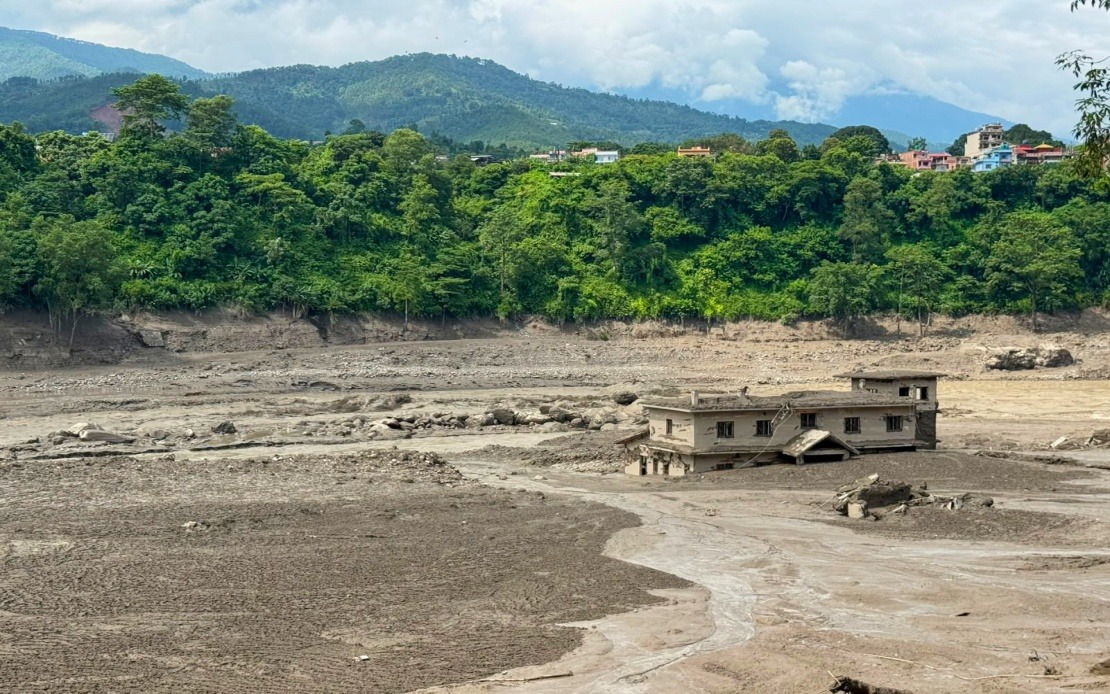
Nepal's tourism sector faces an unprecedented crisis following catastrophic flooding that has left more than 380 international and domestic tourists unaccounted for, according to official announcements from the Nepal Tourism Board. Among those reported missing are 291 foreign nationals and 93 Nepali citizens, marking one of the most significant incidents to affect the country's vital tourism industry in recent times. The disappearances carry particular significance for Malaysia, with 17 nationals listed among the missing travellers, underscoring how natural disasters in popular tourist destinations can impact citizens across the wider Southeast Asian region.
The Nepal Tourism Board disclosed the alarming figures through a statement released on social media, emphasising that preliminary data compiled from tourism operators and travel companies is still undergoing verification. Officials stressed that the information is being cross-referenced systematically across multiple sources, including travel agencies, professional guides, local administrative authorities, and security agencies on the ground. This multi-agency verification process reflects the complexities involved in accounting for individuals dispersed across affected regions during and immediately after flooding events, where communication infrastructure may be compromised and populations displaced.
The composition of missing persons reveals the international character of Nepal's tourist traffic. Beyond the 17 Malaysians, authorities have confirmed that more than 100 Indian nationals are among the missing, reflecting the significant cross-border tourism flow between Nepal and India. Additionally, 12 British citizens, four South Africans, three United States citizens, one Australian, and one Dutch national are reported unaccounted for. However, the nationality of 111 individuals remains unknown at this stage, suggesting that identification efforts are ongoing and that the final roster of missing persons may yet shift as information is consolidated.
For Malaysia, the incident represents a sobering reminder of the risks inherent in adventure and trekking tourism in mountainous regions prone to monsoon-related flooding. Nepal's diverse trekking routes, including the renowned Everest Base Camp trek and Annapurna circuit, attract thousands of Malaysian tourists annually seeking mountain experiences. The flooding demonstrates how rapidly weather patterns can transform popular tourist areas into danger zones, and it raises questions about disaster preparedness protocols for tour operators and travel agencies coordinating Malaysian citizen movements in the region.
The scale of missing persons has prompted Nepali authorities to issue high-alert warnings for communities situated downstream of affected areas. This precautionary measure reflects concerns that floodwaters may continue to pose dangers as they flow toward lower elevations, potentially affecting additional populations and complicating ongoing rescue and recovery efforts. The downstream alert system represents a critical component of disaster response infrastructure designed to minimise additional casualties and displacement.
Nepal's tourism industry, which generates substantial foreign exchange revenue for the developing nation, faces significant operational disruption from this incident. The disappearance of nearly 400 tourists will inevitably influence travel decisions and booking patterns among international visitors for the coming months. Travel agencies throughout Southeast Asia, including those operating Malaysian tour packages to Nepal, will likely face heightened scrutiny regarding safety protocols and emergency response mechanisms. The incident may prompt comprehensive reviews of how operators manage tourist groups during inclement weather periods and the adequacy of communication systems for alerting travellers to imminent hazards.
The Malaysian government's response to the crisis will be closely monitored, with the Foreign Ministry and relevant agencies expected to liaise with Nepali authorities to establish the precise status of missing nationals and facilitate assistance to affected families. Consular services typically activate emergency protocols in such circumstances, establishing hotlines and coordination channels to gather information about Malaysian citizens and provide support to those affected by the disaster. The incident underscores the importance of maintaining robust diplomatic channels and consular capabilities to respond swiftly when citizens face crises abroad.
From a broader Southeast Asian perspective, this flooding event contributes to growing awareness of climate-related risks affecting the region's tourism infrastructure. Nepal's monsoon-prone geography makes it vulnerable to seasonal flooding, a pattern likely to intensify with climate change. Other Southeast Asian destinations similarly exposed to extreme weather events may examine Nepal's experience to strengthen their own early warning systems, evacuation protocols, and tourist safety frameworks.
The verification process undertaken by Nepal's tourism authorities will be critical for establishing definitive casualty figures and for identifying individuals requiring assistance. As records are cross-checked and communication with affected individuals is gradually restored, the number of confirmed missing may change. Families of missing tourists across multiple nations, including Malaysia, await clarification on the status of their relatives. The coming days will prove pivotal for search and rescue operations and for determining the ultimate human cost of this natural disaster.

