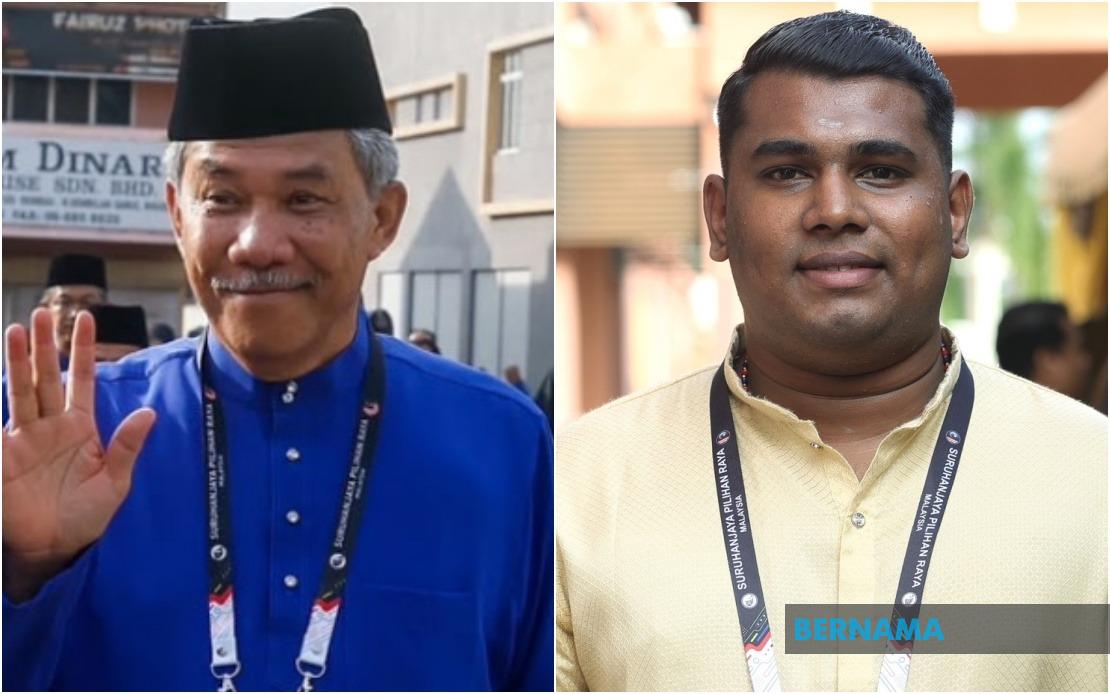
M. Leevineshwaraan has claimed a notable distinction in the 16th Negeri Sembilan state election as the youngest person to throw his hat in the ring. At just 23 years old, the Bersatu representative is venturing into electoral politics for the first time, testing his political mettle in the highly competitive Sri Tanjung state seat where five candidates are vying for voter support.
The youthful candidate faces formidable opposition in the form of incumbent Datuk Dr G. Rajasekaran from Pakatan Harapan, who commanded the seat in the previous election with a comfortable margin of 3,996 votes. Rajasekaran's established presence and track record will present a significant hurdle for Leevineshwaraan, who must convince voters that his youth and fresh perspective justify setting aside an experienced legislator. The contest represents a generational clash between established political machinery and emerging candidates seeking to reshape electoral dynamics in the state.
This development marks a shift in candidate profiles compared to the 2023 elections. In the 15th state polls just two years ago, Muhammad Syakir Fitri Sadri held the distinction of youngest candidate when he contested the Paroi state seat as an Independent at age 25. The reduction in the youngest candidate's age from 25 to 23 reflects how political parties are increasingly recruiting younger voters and early-career professionals into their electoral lineups, signalling potential changes in how campaigns appeal to the electorate.
Sri Tanjung operates within the Port Dickson parliamentary constituency, where approximately 19,590 registered voters have the opportunity to cast their ballots. The state seat's location within this broader electoral zone underscores the interconnected nature of state and federal politics in Malaysia, where parliamentary and state boundaries overlap and influence each other. Local voter turnout and sentiments in this constituency could reverberate beyond the immediate state contest.
At the opposite end of the age spectrum, two septuagenarians embody political persistence and experience in this election cycle. Barisan Nasional deputy chairman Datuk Seri Mohamad Hasan and Pakatan Harapan's Abd Latif A Tambi, both aged 70, represent the senior-most contestants. Mohamad is defending his Rantau seat in a two-way contest, while Abd Latif competes for Gemencheh in similarly close competition. Their participation demonstrates that Malaysian politics continues to accommodate candidates with decades of legislative experience alongside youthful newcomers.
The Rantau seat, positioned within the Rembau parliamentary constituency, encompasses 34,831 eligible voters, providing a substantial electorate for Mohamad to navigate. His role as BN deputy chairman carries additional weight, as his electoral performance could influence party dynamics and positioning ahead of federal political calculations. Similarly, Gemencheh, situated in the Tampin parliamentary constituency, contains 24,916 registered voters, creating distinct demographic and administrative contexts that differ significantly from urban or suburban constituencies.
Notably absent from this year's contest is Bujang Abu, who at 72 held the record for oldest candidate in the 2023 elections. Bujang's inability to provide necessary documentation to the Election Commission has rendered him ineligible, illustrating how procedural compliance requirements can curtail political participation even among experienced candidates. His exclusion highlights the administrative hurdles that candidates must clear before their names appear on the ballot.
Gender representation continues to expand slowly within Negeri Sembilan's electoral landscape. Nine of the 103 total candidates are women, marking a modest increase from the eight women who contested among 83 candidates in the previous state election. Pakatan Harapan leads in fielding female representation with four women candidates, suggesting that opposition coalitions are prioritising gender diversity more actively than other political groupings. This incremental progress underscores persistent gender imbalances in Malaysian electoral politics, though the trajectory indicates gradual institutional recognition of the need for greater women's participation.
The Election Commission has structured the voting calendar to accommodate early voting on July 28, with the main polling day set for August 1. This two-stage voting process distributes the electoral burden and provides flexibility for voters with commitments preventing them from voting on the primary date. The phased approach reflects administrative refinements to electoral management that have become standard practice in Malaysian elections.
The 16th Negeri Sembilan state election encapsulates broader themes within Malaysian democracy: the tension between youth ambition and established political machinery, the persistence of older politicians despite demographic shifts, and incremental progress toward greater gender diversity in elected positions. Leevineshwaraan's youthful candidacy represents an emerging phenomenon where political parties recruit candidates who bring generational change to electoral campaigns, potentially signalling how Malaysian politics may evolve as younger demographics increasingly participate in both candidacy and voting. The contests in Rantau and Gemencheh, meanwhile, showcase how seniority and political prominence remain potent factors in competitive races, even as the electorate grapples with questions about experience versus fresh perspectives in governance.

