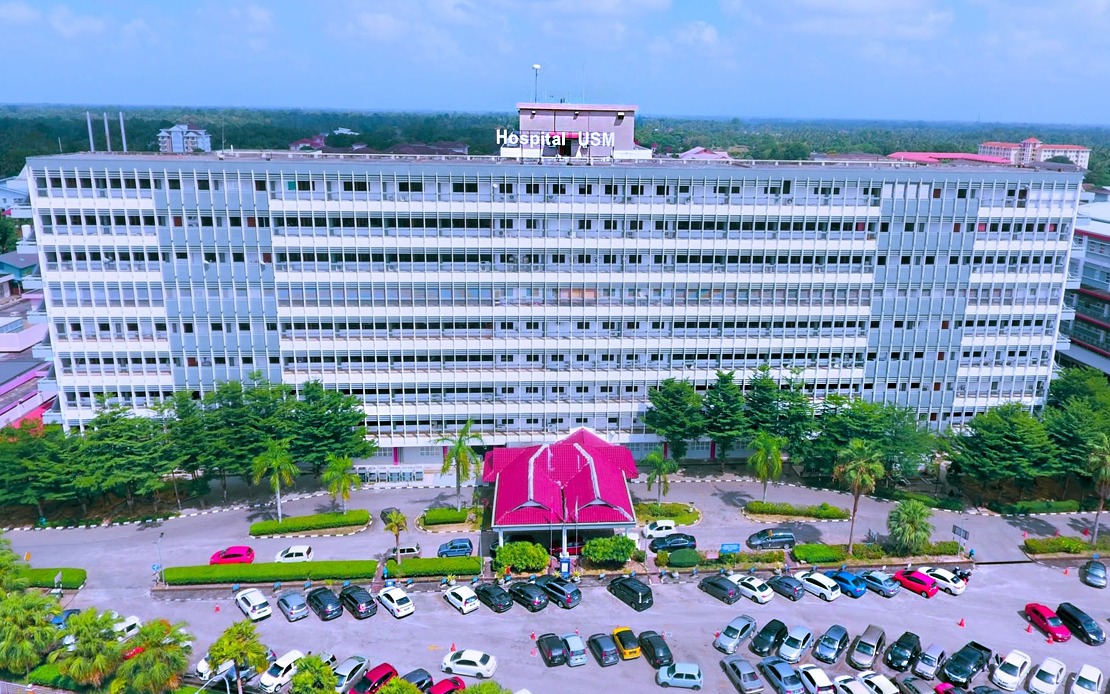
Kota Bharu's Universiti Sains Malaysia Specialist Hospital is launching an intensive surgical drive this week that will clear a significant backlog of eye patients who have endured lengthy delays. The second Strabismus Surgery Carnival, running through August 20, represents a breakthrough in managing the accumulated waiting lists that have frustrated ophthalmology departments across the country. Twenty-three young patients, ranging from seven to nineteen years old, will receive corrective surgery for strabismus—commonly known as crossed eyes or eye misalignment—over the five-day programme, finally ending waits that could previously extend from months into years.
HPUSM director Datuk Dr Ab Rahman Izani Ghani @ Ab Ghani outlined the scale of unmet need driving the carnival's urgency. The hospital's ongoing Short-sightedness and Strabismus Eye Intervention Programme has screened schoolchildren throughout Kelantan over three consecutive years, identifying approximately 300 students with various visual conditions. The strabismus cases represent the most surgically urgent subset, warranting intensive intervention. By concentrating specialist expertise and operating capacity during the carnival period, HPUSM aims to establish a model that could be replicated elsewhere in Malaysia, where waiting periods for elective eye procedures have become a chronic healthcare management challenge.
The initiative brings together multiple layers of ophthalmological expertise typically dispersed across different clinics and schedules. Strabismus specialists, general ophthalmologists, and postgraduate trainees converge on the hospital to conduct comprehensive pre-operative assessments and perform the actual procedures with streamlined efficiency. This concentration of resources reflects recognition that eye alignment disorders, while sometimes dismissed as purely cosmetic concerns, carry substantial clinical and developmental implications that justify prioritisation. The carnival approach essentially transforms what would normally be scattered appointments into an intensive treatment bloc, allowing patients to progress rapidly from diagnosis to surgery.
Financial barriers that might otherwise prevent surgery have been eliminated through collaborative funding arrangements. The Kelantan Islamic Religious and Malay Customs Council (MAIK) and several non-governmental organisations have jointly underwritten the cost of all twenty-three procedures. This partnership model—bridging religious authority structures, healthcare institutions, and community organisations—demonstrates an approach to healthcare delivery that may hold lessons for other states grappling with waiting-list backlogs. By distributing funding responsibility across multiple community stakeholders, the arrangement achieves what individual hospital budgets might struggle to accommodate.
Prof Dr Shatriah Ismail, a paediatric ophthalmology consultant at USM's School of Medical Sciences, emphasised that dismissing strabismus as merely a vanity concern represents a fundamental misunderstanding of the condition's clinical scope. Misalignment of the eyes disrupts the complex neurological coordination required for normal visual development, particularly during childhood when the visual system is still establishing fundamental processing pathways. Beyond the physiological implications, the psychological burden on young people with noticeable eye misalignment creates barriers to social integration and academic confidence. Students who have endured months or years of visible eye deviation face accumulated psychological consequences alongside the continuing visual dysfunction.
The condition's impact on quality of life extends well beyond the visual symptoms themselves. Children navigating school environments with obvious eye alignment problems frequently report reduced self-esteem, social withdrawal, and difficulty maintaining peer relationships. The lengthy delays in accessing surgical correction intensify these impacts, as adolescents approach critical developmental windows where physical appearance and social belonging become increasingly salient to psychological wellbeing. Early intervention thus carries benefits that extend beyond purely ophthalmological measures into developmental psychology and social integration.
Kelantan's prevalence of these conditions reflects patterns observed nationally, where systematic school-based screening programmes have consistently identified far higher rates of refractive errors and strabismus than previously recognised. The three-year screening programme conducted by HPUSM across Kelantan schools generated a reservoir of identified cases awaiting treatment, illustrating the substantial gap between diagnosis and intervention capacity. By concentrating surgical resources through the carnival model, the hospital demonstrates that significant backlogs can be substantially cleared through strategic scheduling and collaborative resource mobilisation, even within existing infrastructure constraints.
The experience of these twenty-three students will likely influence future healthcare planning in Kelantan and potentially across Malaysia. Success of the carnival approach provides evidence that intensive, time-limited surgical campaigns can effectively manage waiting periods that have become increasingly politically and ethically untenable. The model also generates outcome data that can inform cost-benefit analyses of concentrated intervention versus dispersed, routine scheduling. Hospital administrators across Malaysia monitoring these results may recognise replicable strategies for managing their own ophthalmology backlogs.
The carnival's significance extends beyond the immediate cohort receiving surgery. The integration of postgraduate ophthalmology students into the procedure workflow addresses not only current patient need but also builds capacity for future care delivery. Exposure to high-volume strabismus surgery during concentrated training periods accelerates specialist development and builds expertise that will persist within Malaysian ophthalmology for years ahead. This educational component transforms the carnival from a one-off intervention into a capacity-building initiative with longer-term implications for the specialty.
For families in Kelantan, particularly those in rural areas or with limited financial resources, the carnival removes multiple barriers that would otherwise delay or prevent surgery indefinitely. The combination of comprehensive screening, specialist assessment, cost elimination, and rapid scheduling access represents healthcare delivery coordinated around patient need rather than institutional convenience. As Malaysia continues developing its healthcare infrastructure and specialist capacity, the carnival model offers a replicable framework for managing accumulated surgical backlogs while simultaneously addressing underlying diagnostic gaps through sustained screening programmes.

