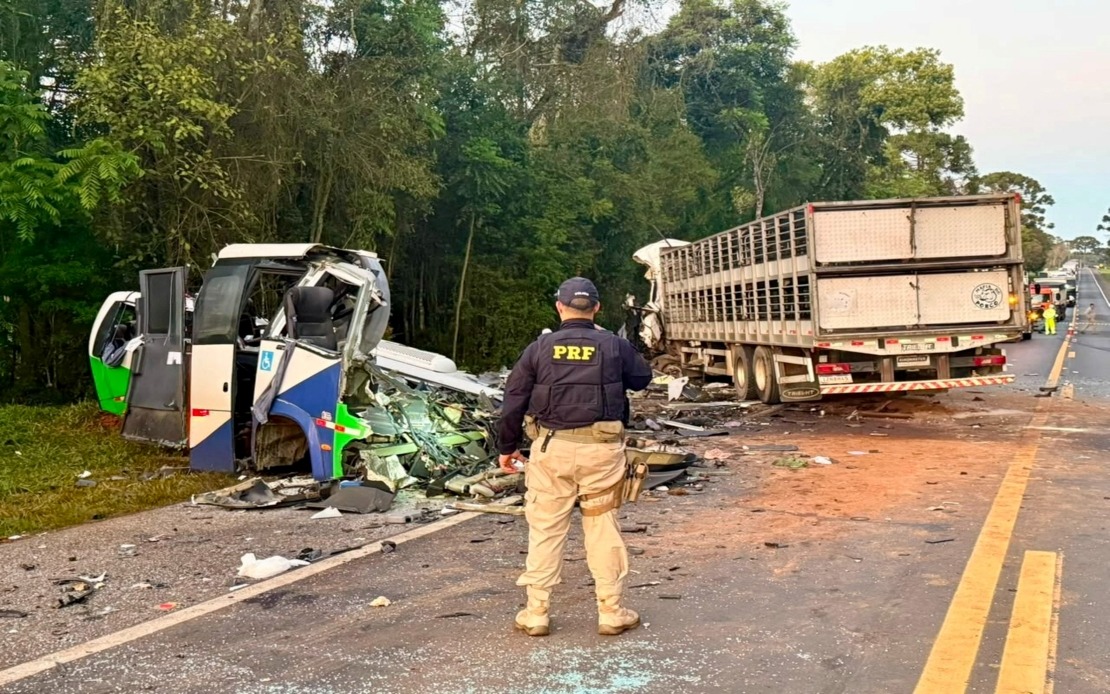
A devastating collision between a minibus and a lorry has left 23 people dead in southern Brazil, marking one of the country's deadliest road accidents in recent memory. The crash occurred in the early hours of Wednesday near Ipiranga in the Campos Gerais region of Paraná state, when the two vehicles collided head-on on a national highway. Among the deceased were 13 women, eight men, and two children, along with the lorry driver. The sheer scale of the fatalities underscores the dangers that persist on Brazilian roads, particularly on routes where inadequate infrastructure compounds the risks of high-speed collisions.
The minibus was operated by the regional health service and was transporting patients to hospitals in the greater Curitiba metropolitan area, approximately 200 kilometres away from the accident site. The exact nature of the patients' medical conditions and whether mobility issues may have hampered evacuation efforts remains unclear. Early investigations suggest the lorry crossed into the oncoming lane, striking the minibus in a direct head-on impact. Such scenarios on narrow roadways typically result in catastrophic injuries, as vehicles have minimal space to manoeuvre and passengers face the full brunt of the collision force.
The accident has drawn attention to the condition of Brazil's national highway network in southern regions. The road where the collision occurred is a two-lane thoroughfare in several stretches, making it inherently vulnerable to serious accidents when large vehicles meet head-on. Authorities have noted that the highway connects multiple regions across southern Brazil and bears significant traffic volume, yet in many areas it lacks the safety infrastructure—such as broader lanes, median barriers, or dual carriageways—that could mitigate collision severity. This infrastructure deficit is a recurring challenge in Brazilian road safety, where rural and regional routes often remain underfunded despite carrying substantial freight and passenger traffic.
Five additional people sustained injuries in the crash and were hospitalised following the incident. Their current medical status and prognosis have not been disclosed, though the intensity of a head-on collision typically results in severe, life-threatening injuries for survivors. The emergency response saw the accident site sealed off completely for several hours as authorities conducted preliminary investigations and recovery operations. This closure, while necessary for evidence gathering and victim recovery, further highlighted the critical importance of this highway corridor to regional connectivity.
For Malaysian readers, this tragedy offers sobering parallels to domestic road safety concerns. While Malaysia's expressway network is generally more modern and dual-carriaged than many Brazilian highways, head-on collisions remain a persistent danger on secondary routes and at junctions where traffic management lapses occur. The incident illustrates how patient transport services—common across Southeast Asia—represent a vulnerable segment of road users, as occupants may have reduced mobility or medical fragility that compounds injury severity during accidents.
The Paraná state government has declared three days of mourning as the nation grapples with the scale of the disaster. Such formal recognition reflects the profound impact large-scale road fatalities have on Brazilian society and the collective grief when preventable accidents claim dozens of lives. The investigation into the exact circumstances of the collision remains ongoing, with authorities tasked with determining whether driver error, vehicle malfunction, weather conditions, or visibility issues contributed to the lorry's lane deviation.
Road safety experts across Latin America have long flagged the risks associated with heavy vehicle operation on narrow, two-lane highways where passing manoeuvres and lane discipline become critical. The absence of robust median barriers or rumble strips on many Brazilian national routes means a single moment of inattention or mechanical failure can cascade into a full-scale tragedy. The minibus, by design smaller and lighter than the lorry, would have absorbed disproportionate impact energy in a head-on scenario, explaining the high fatality rate among its occupants.
The tragedy also raises questions about the adequacy of vehicle maintenance standards and driver fatigue protocols in Brazil's transport sector. Lorry operators working long-distance routes across vast distances often face pressure to maintain schedules, potentially compromising rest periods and heightening accident risk. Regulatory oversight of commercial vehicle conditions and driver working hours represents an ongoing challenge in Brazilian road governance, particularly in regions distant from major urban centres where enforcement capacity may be limited.
As investigations proceed, the focus will likely turn to whether infrastructure upgrades or stricter enforcement measures could prevent similar incidents. For Malaysia and other Southeast Asian nations, the case underscores the continuing necessity of investing in highway safety features, driver education programmes, and vehicle maintenance standards. The loss of life in this southern Brazilian crash—particularly the two children and the vulnerable hospital patients—serves as a grim reminder that road safety requires sustained attention to both human factors and physical infrastructure across the entire transport network.

