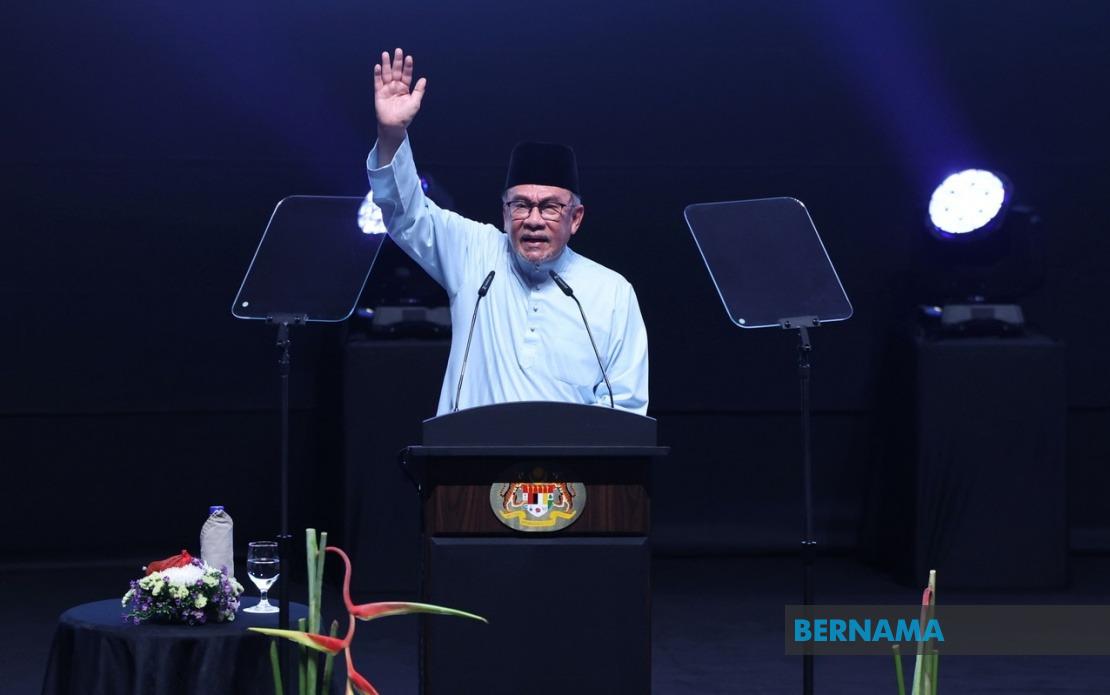
The Ministry of National Unity has announced that the 2026 National Day Prime Minister's address ceremony will commence at 2 pm at the Putrajaya International Convention Centre (PICC), representing a significant shift in the government's original plans for the nation's commemorative event. The decision to modify the timing comes after careful evaluation of prevailing circumstances, with officials emphasising that the adjustment prioritises the wellbeing and safety of all attendees and the general public.
The relocation of the ceremony from its originally planned venue at Dataran Merdeka in Kuala Lumpur represents a practical response to environmental conditions affecting the capital region. The National Day and Malaysia Day (HKHM) 2026 Celebration Working Committee, operating under the Ministry of Communications, determined that transferring the event to PICC offered a more suitable setting given current atmospheric conditions that have prompted health and comfort concerns across the country.
Air quality deterioration has been a mounting concern throughout late August, with the Malaysian Meteorological Department (MetMalaysia) providing forecasts indicating hazardous conditions in multiple regions. Director-general Dr Mohd Hisham Mohd Anip had previously cautioned that hazy weather patterns would affect Sabah beginning in late August, whilst more severe haze concentrations were anticipated across Johor, Melaka, Negeri Sembilan, Selangor, Kuala Lumpur and Putrajaya extending through August 31. Such conditions would have rendered an outdoor ceremony at Dataran Merdeka logistically challenging and potentially risky for thousands of guests.
The adjustment reflects broader government priorities in balancing ceremonial significance with practical concerns facing Malaysian communities. By selecting an indoor venue with climate control capabilities, organisers have positioned themselves to deliver a dignified and comfortable experience for dignitaries, invited guests and members of the public while maintaining the ceremony's symbolic importance. The timing alteration from earlier proposals also suggests coordination with weather patterns and anticipated air quality variations throughout the day.
For the MADANI government administration, the National Day address ceremony serves as a critical platform for communicating policy directions and national aspirations to the broader population. The event provides an opportunity to reaffirm the government's commitment to fostering national cohesion, strengthening patriotic sentiment and reinforcing civic values among Malaysians of all backgrounds. According to the Ministry of National Unity, the ceremony will emphasise themes of independence, unity and collective responsibility towards national progress.
The decision to invite all Malaysians to participate in the celebration underscores the inclusive nature of the observance. Officials have framed the event as transcending ceremonial formality, instead positioning it as a moment for society to reflect on shared values including mutual understanding, respect for diversity and acceptance of different perspectives. This emphasis on unity and pluralism carries particular resonance in Southeast Asia's most diverse democracy, where managing interethnic and interfaith relations remains an ongoing governance priority.
The venue choice also carries logistical implications for public participation and accessibility. The Putrajaya International Convention Centre, as a purpose-built facility designed for large gatherings, offers infrastructure suitable for accommodating substantial crowds while maintaining safety protocols and operational efficiency. Unlike outdoor settings vulnerable to weather disruptions, an indoor venue provides greater certainty regarding event flow and participant comfort, factors increasingly important for government ceremonies in an era of climate variability and air quality challenges.
From a Southeast Asian perspective, Malaysia's adaptation of ceremonial arrangements in response to environmental conditions reflects broader regional trends. Transboundary haze, driven by agricultural burning and industrial activities across Brunei, Indonesia and Malaysia, has become an annual challenge affecting air quality across the region. Governments throughout the zone have progressively adjusted public and official activities based on air quality forecasts, establishing precedent for the approach taken by Malaysian authorities in this instance.
The Ministry of National Unity's emphasis on safety and health considerations demonstrates how contemporary governance must balance traditional ceremonial expectations with contemporary environmental realities. As climate patterns grow increasingly unpredictable and seasonal air quality degradation becomes more pronounced, institutional flexibility in event planning will likely become normative rather than exceptional. This adjustment signals that even the nation's most important commemorative occasions will be shaped by environmental factors and public health imperatives.
Looking forward, the 2026 National Day arrangements may establish templates for future major ceremonies, suggesting that government event planning will increasingly incorporate environmental contingencies and alternative venue arrangements. The PICC relocation demonstrates that ceremonial significance need not depend on specific traditional locations, provided organisers communicate clearly about the reasons for change and ensure the event's core messaging remains intact. For Malaysian audiences and regional observers, the pragmatic response to haze conditions reinforces that national celebrations can adapt to contemporary circumstances while preserving their symbolic weight and unifying purpose.

